

Operation Process and Working Principle of Plastic Powder Pneumatic Conveying System Equipment
Plastic powder pneumatic conveying systems are critical in industrial applications for the efficient and safe transportation of plastic powders. These systems utilize air as the conveying medium to move plastic powders from one location to another, offering advantages such as reduced material handling costs, improved safety, and enhanced process control. In this article, we will explore the operation process and working principle of such systems, with a focus on the equipment provided by Shandong HeadPowder Engineering Co., Ltd., a leading manufacturer in the field.
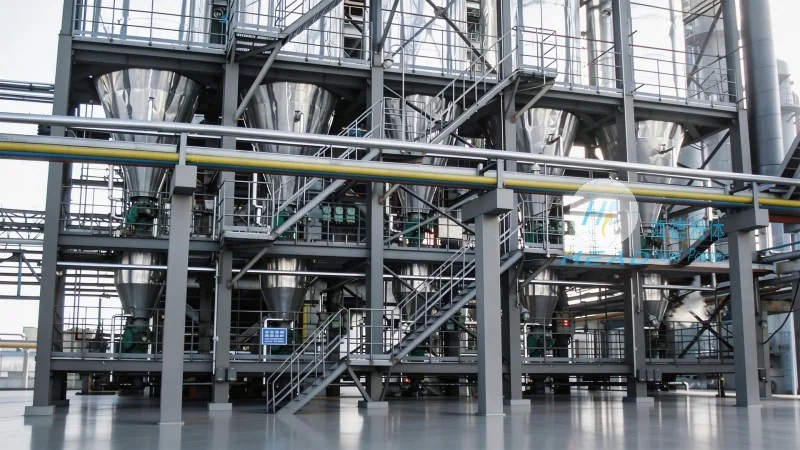
Introduction to Plastic Powder Pneumatic Conveying Systems
A plastic powder pneumatic conveying system is a mechanical system designed to transport plastic powders through a pipeline using compressed air or a vacuum. The system typically consists of several key components, including a feeder, a conveying line, a separator, and a blower or vacuum pump. The primary goal is to move plastic powders from a source, such as a storage silo or a production line, to a destination, like a processing machine or a storage container, without the need for manual handling or mechanical conveyors.
Key Components and Their Functions
The effectiveness of a plastic powder pneumatic conveying system depends on the proper functioning of its components. Each part plays a crucial role in the overall operation:
1. Feeder: The feeder is responsible for feeding plastic powder into the conveying line at a controlled rate. It ensures a consistent flow of material, preventing blockages and maintaining system efficiency. Different types of feeders, such as rotary valves or screw feeders, are used depending on the characteristics of the plastic powder and the system requirements.
2. Conveying Line: The conveying line is the pipeline through which the plastic powder and air travel. It is usually made of materials like stainless steel or plastic to prevent corrosion and ensure durability. The line is designed with appropriate bends and elbows to guide the material to the destination while minimizing pressure loss.
3. Separator: The separator is a critical component that separates the plastic powder from the air at the end of the conveying line. It typically consists of a cyclone or a bag filter, which uses centrifugal force or filtration to capture the powder and return it to the system or the destination. The separated air is then either vented to the atmosphere or recirculated back to the blower.
4. Blower or Vacuum Pump: The blower or vacuum pump provides the necessary air pressure or vacuum to move the plastic powder through the conveying line. The choice between positive pressure (blower) and negative pressure (vacuum pump) depends on the system layout and the distance the powder needs to travel. Positive pressure systems are commonly used for short to medium distances, while vacuum systems are suitable for longer distances or when the source is at a higher elevation.
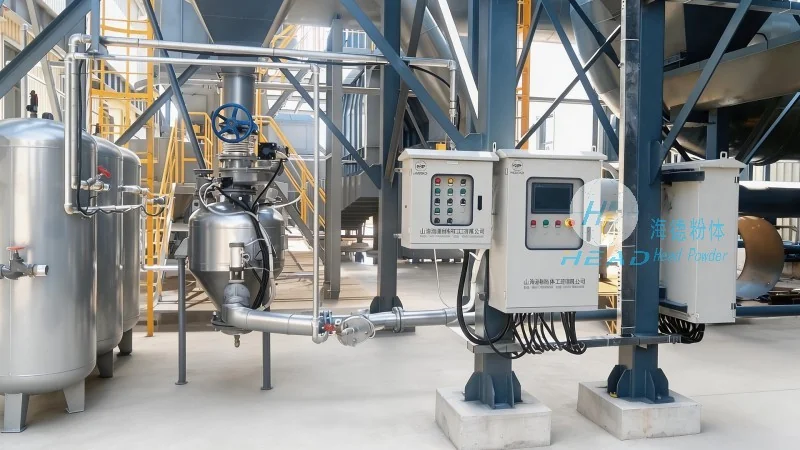
Operation Process of the Plastic Powder Pneumatic Conveying System
The operation of a plastic powder pneumatic conveying system involves several sequential steps, starting from the initial setup and ending with the final delivery of the material. Here is a typical operation process:
1. System Preparation: Before starting the operation, the system is checked for any blockages or leaks. The feeder is adjusted to the desired flow rate, and the blower is set to the appropriate pressure or vacuum level. The separator is also checked to ensure it is clean and functioning correctly.
2. Material Feeding: The plastic powder is fed into the feeder from the source. The feeder then delivers the powder at a controlled rate into the conveying line. Simultaneously, the blower starts operating, creating the necessary air flow.
3. Conveying: As the powder enters the conveying line, it is mixed with the air and carried along the pipeline. The air pressure or vacuum propels the powder forward, overcoming the gravitational force and any resistance in the line. The mixture travels through the bends and elbows until it reaches the separator.
4. Separation: At the separator, the plastic powder is separated from the air. The cyclone or bag filter captures the powder, which is then collected in a container or returned to the system. The air, now free of powder, is either vented or recirculated.
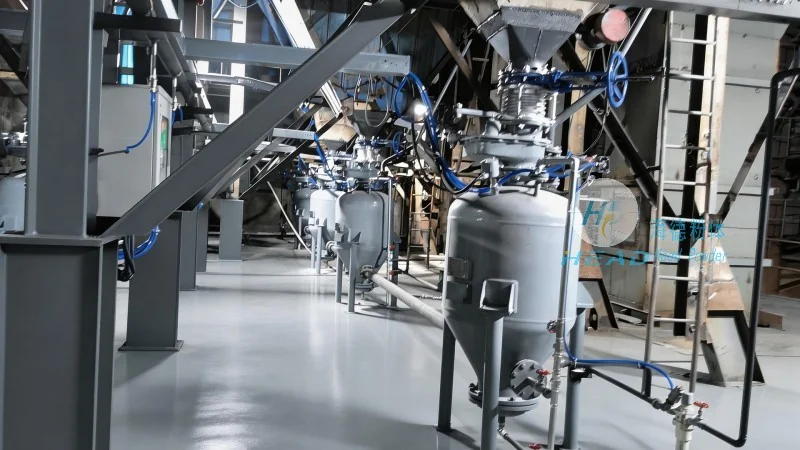
5. Delivery: The separated plastic powder is delivered to the destination, such as a processing machine or a storage silo. The system continues to operate until the required amount of material has been transported.
6. System Shutdown: When the operation is complete, the system is shut down in the reverse order. The blower is turned off first, followed by the feeder. The separator is checked again to ensure all powder has been collected before the system is fully stopped.
Working Principle of the System
The working principle of a plastic powder pneumatic conveying system is based on the principles of fluid dynamics and air pressure. The system operates by creating a flow of air within the conveying line, which then carries the plastic powder particles along with it. The key principles involved are:
1. Air Velocity: The air velocity in the conveying line must be sufficient to lift and transport the plastic powder particles. The minimum velocity required to prevent particle settling is known as the "minimum conveying velocity." This velocity depends on the particle size, density, and shape of the plastic powder, as well as the air pressure or vacuum level.
2. Pressure Drop: The pressure drop along the conveying line is a critical factor in system performance. It is caused by friction between the air and the pipeline walls, as well as the resistance from bends, elbows, and other components. Proper design of the pipeline and components is essential to minimize pressure drop and ensure efficient operation.
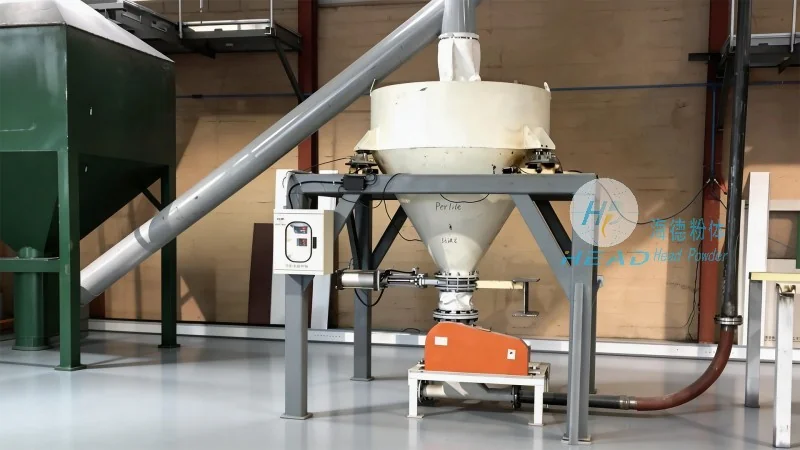
3. Particle-Laden Air Flow: The mixture of plastic powder and air behaves as a single fluid. The air provides the necessary momentum to move the particles, while the particles contribute to the overall pressure drop and energy consumption. The system must be designed to handle the specific characteristics of the plastic powder, such as its flowability and dustiness.
4. Separation Mechanism: The separator works by utilizing centrifugal force or filtration to separate the plastic powder from the air. In a cyclone separator, the mixture enters the separator at a high velocity and is forced to rotate. The heavier plastic powder particles are thrown to the walls of the separator and fall to the bottom, while the lighter air is discharged from the top. In a bag filter, the mixture passes through a series of fabric bags, which trap the powder particles on the surface of the bags.
Advantages of Using HeadPowder's Plastic Powder Pneumatic Conveying Equipment
Shandong HeadPowder Engineering Co., Ltd. specializes in manufacturing high-quality plastic powder pneumatic conveying systems that offer numerous advantages over traditional mechanical conveyors. The company's equipment is designed to meet the specific needs of various industrial applications, ensuring efficient and reliable operation. Some of the key advantages include:
1. High Efficiency: The pneumatic conveying systems from HeadPowder are highly efficient in transporting plastic powders, with minimal material loss and low energy consumption. The systems are optimized to achieve the maximum conveying capacity while maintaining low pressure drop.
2. Low Maintenance: The components of the system, such as the feeder and separator, are designed for easy maintenance and replacement. The use of durable materials and robust construction reduces the need for frequent repairs, resulting in lower maintenance costs.
3. Improved Safety: Pneumatic conveying systems eliminate the need for manual handling of plastic powders, reducing the risk of dust exposure and other safety hazards. The enclosed system also prevents the powder from being released into the environment, improving workplace safety.