

The Operation Process and Working Principle of Bentonite Powder Conveying
Bentonite powder, a vital material in industries such as mining, construction, and chemical processing, demands efficient and reliable conveying systems to ensure consistent material flow and operational efficiency. The process of transporting bentonite powder involves a series of interconnected components and mechanisms designed to handle its fine particle size and cohesive properties. This article, produced by Shandong HeadPowder Engineering Co., Ltd. (headpowder), explores the operational process and working principles of bentonite powder conveying, providing a comprehensive overview of the technical aspects and practical considerations for effective implementation.
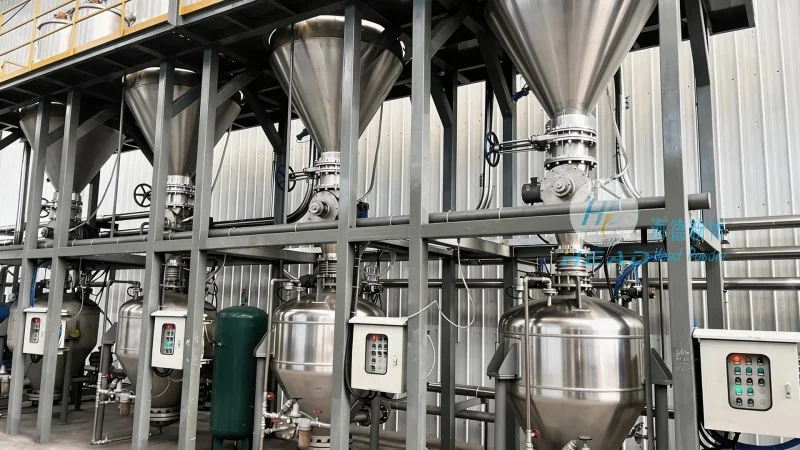
Key Components of Bentonite Powder Conveying Systems
The bentonite powder conveying system typically comprises several essential elements that facilitate material transport. These include a hopper for storage, a feeder to regulate flow rate, a conveyor (such as a screw or pneumatic system), and a control unit to monitor and adjust the process. Each component is carefully selected and designed to address the unique challenges posed by bentonite powder, ensuring smooth and uninterrupted operation.
Working Principle of Bentonite Powder Conveying
The working principle of bentonite powder conveying primarily relies on fluidization and air flow, especially in pneumatic systems. In such setups, compressed air is introduced into the conveying line, creating a flow that lifts and transports the powder particles. The air velocity is precisely controlled to prevent particle segregation and maintain uniform movement. For mechanical systems like screw conveyors, the principle involves the rotation of a screw to push the material forward through the conveyor tube. The screw's design, including its pitch and diameter, is optimized to handle bentonite's fine particle size and cohesive nature, minimizing the risk of clogging.
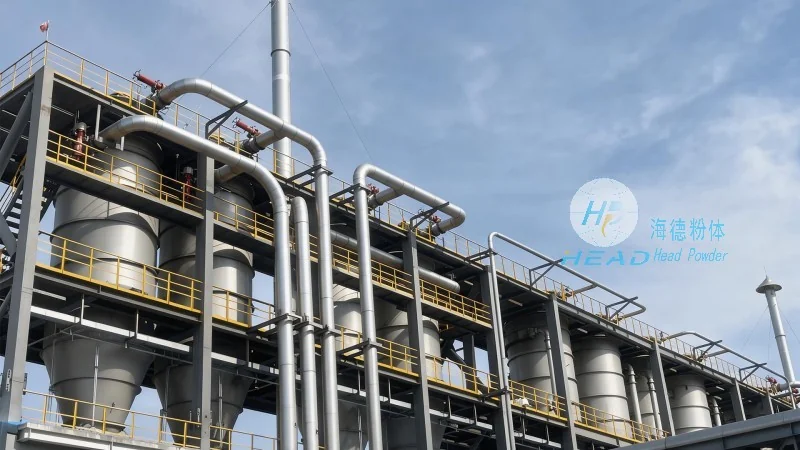
Operation Process of Bentonite Powder Conveying
The operation process of bentonite powder conveying begins with material loading into the hopper. The hopper provides a stable and uniform feed to the feeder, which may use a rotary valve or vibratory mechanism to control discharge rate. Once the material is fed into the conveyor, it is transported to the destination, such as a storage silo or processing unit. The control system continuously monitors parameters like pressure, flow rate, and temperature to ensure the process runs smoothly and safely. Regular maintenance and performance checks are essential to prevent blockages and extend equipment lifespan.
Technical Considerations for Bentonite Powder Conveying
When implementing a bentonite powder conveying system, several technical factors must be considered. The material's properties—such as moisture content, particle size distribution, and cohesive behavior—significantly influence the choice of conveying method. For instance, fine bentonite powders often require pneumatic conveying to avoid clogging in mechanical systems. The system design must also account for dust generation and incorporate proper dust control measures to ensure workplace safety and environmental compliance. Additionally, selecting corrosion-resistant materials for conveyor components is crucial for long-term reliability, especially in wet or acidic environments.
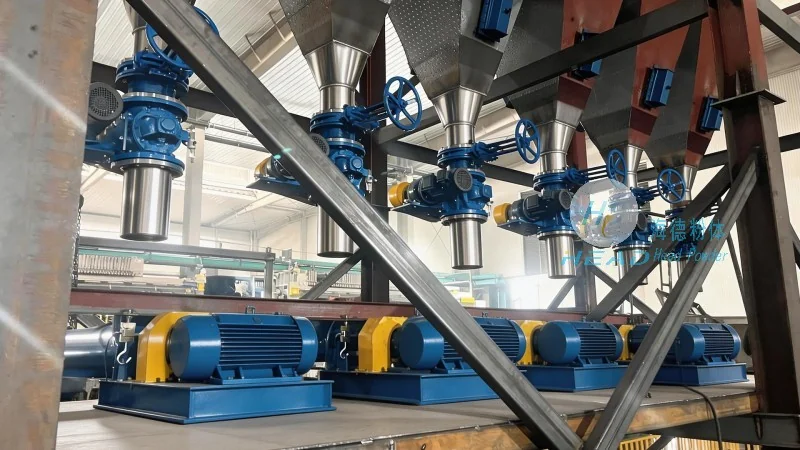
Applications and Benefits of Bentonite Powder Conveying
Bentonite powder conveying systems are widely utilized across various industries. In mining, they facilitate the transport of bentonite used in drilling mud; in construction, they support the handling of bentonite for soil stabilization; and in chemical processing, they enable consistent supply to production units. The efficient transport of bentonite powder enhances overall productivity by reducing downtime and improving process control. Advanced conveying technologies, such as closed-loop pneumatic systems, minimize material loss and environmental impact, making the process more sustainable. Precise flow rate control also leads to higher product quality and reduced waste.
Conclusion
In summary, the operation process and working principles of bentonite powder conveying are critical for ensuring efficient and reliable material transport in industrial applications. By understanding the key components, working mechanisms, and operational procedures, industries can implement effective conveying systems tailored to their specific needs. The continuous advancement of conveying technologies, combined with careful consideration of material properties and operational requirements, will further optimize bentonite powder handling processes, enhancing both performance and sustainability.