

The Operation Process and Working Principle of Powder Material Handling
Shandong HeadPowder Engineering Co., Ltd., commonly known as HeadPowder, specializes in the design, manufacturing, and integration of advanced powder material handling systems. With a focus on efficiency, reliability, and safety, the company provides comprehensive solutions tailored to various industrial applications. HeadPowder's expertise lies in understanding the unique challenges of transporting bulk powders, ensuring that each system is optimized for performance and longevity. The company's operational base is located in Shandong, China, where it leverages local resources and industry knowledge to deliver high-quality products and services.
The Core Components and System Architecture of Powder Material Handling
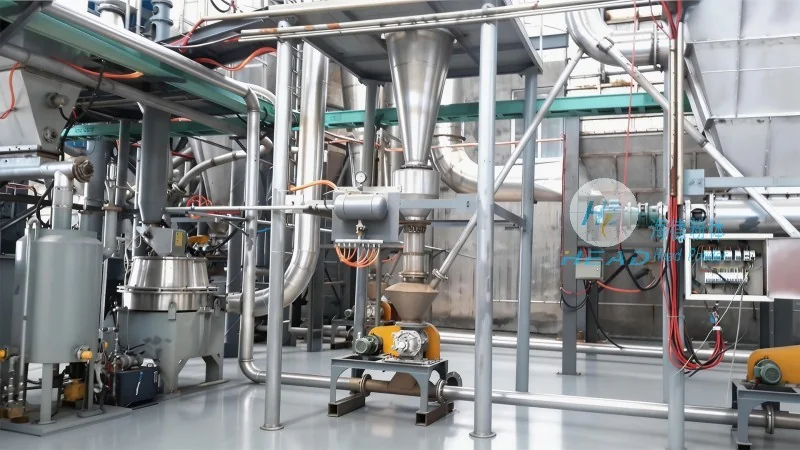
At the heart of any powder material handling system are several key components that work in concert to ensure smooth and efficient operation. These components include feeders, conveyors, storage silos, and control systems, each playing a critical role in the overall process. Feeders are responsible for accurately measuring and controlling the flow of powder from the source, while conveyors transport the material to its destination. Storage silos provide a buffer for bulk storage, allowing for consistent supply even during fluctuations in production. The control system integrates all these elements, monitoring parameters such as flow rate, pressure, and temperature to maintain optimal performance. By combining these components, the system achieves a seamless transfer of powder from the initial point of origin to the final point of use.
The Operation Process: From Material Inlet to Final Discharge
The operation process of a powder material handling system begins with the material being fed into the system, typically from a storage silo or a bulk container. The feeder then measures and regulates the flow rate, ensuring that the correct amount of powder is delivered to the conveyor. The conveyor, which can be a belt conveyor, screw conveyor, or pneumatic conveyor, transports the material through the system. During this phase, the system may include intermediate storage or processing steps, such as mixing or screening, to enhance the quality of the final product. The material then reaches the discharge point, where it is either transferred to another system or packaged for distribution. Throughout this process, the control system continuously monitors and adjusts parameters to maintain stability and prevent issues like clogging or material degradation. This systematic approach ensures that the powder is handled safely and efficiently, minimizing downtime and maximizing productivity.
Working Principle: Mechanical and Pneumatic Systems Explained
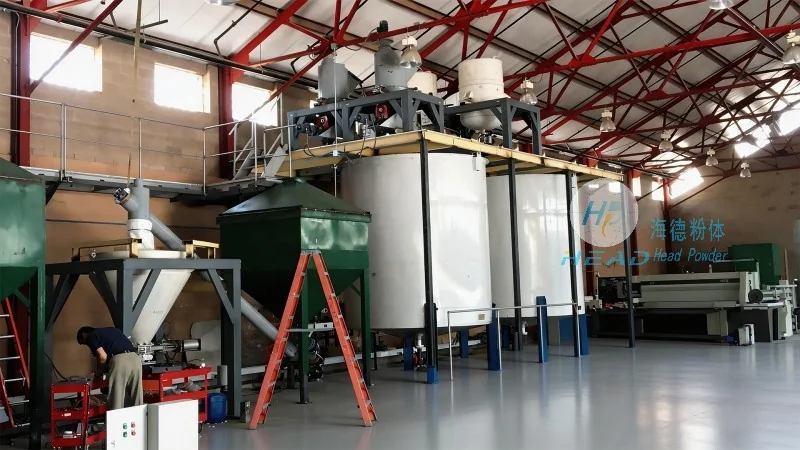
Powder material handling systems can utilize either mechanical or pneumatic principles, depending on the specific requirements of the application. Mechanical systems rely on physical components like belts, screws, and buckets to move the material. These systems are often used for heavy-duty applications where high volumes of powder need to be transported over long distances. Pneumatic systems, on the other hand, use compressed air to create a flow of material through pipes or ducts. This method is particularly effective for handling fine powders or materials that are sensitive to mechanical stress. The working principle of a mechanical conveyor involves the rotation of a belt or screw, which pulls the powder along the path of the conveyor. In pneumatic systems, the powder is suspended in the air stream and transported through the system. Both systems are designed to maintain the integrity of the powder, preventing segregation or degradation during transport. The choice between mechanical and pneumatic systems depends on factors such as the material's properties, the required flow rate, and the system's layout.
Key Considerations for System Design and Optimization
When designing a powder material handling system, several factors must be considered to ensure optimal performance and efficiency. The first is the material's physical properties, including its density, flowability, and particle size distribution. These characteristics determine the type of equipment that is most suitable for handling the powder. For example, cohesive or sticky powders may require special feeders or conveyors to prevent blockages. The second consideration is the system's layout and the distance the material needs to be transported. The choice of conveyor type and speed is critical in minimizing energy consumption and maximizing throughput. Additionally, the system must be designed to handle variations in production rates and material quality, ensuring that it can adapt to changing conditions without compromising performance. Regular maintenance and monitoring are also essential to prevent issues such as wear and tear or system failures. By addressing these considerations, the system can be optimized to meet the specific needs of the application, ensuring long-term reliability and cost-effectiveness.
Applications and Industries Served by HeadPowder
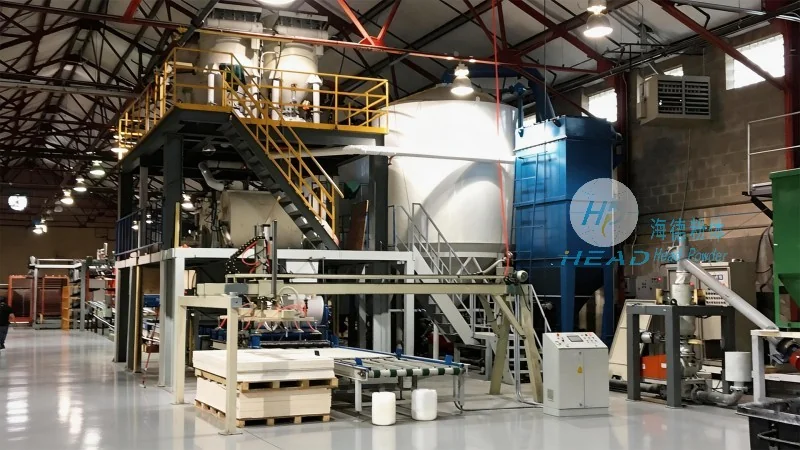
HeadPowder's powder material handling systems are used in a wide range of industries, including pharmaceuticals, food processing, chemical manufacturing, and mining. In the pharmaceutical industry, the systems are designed to handle sensitive materials with strict contamination control measures. The food processing industry requires systems that meet sanitary standards and ensure food safety. Chemical manufacturers use these systems to transport bulk chemicals, while mining operations rely on them to handle raw materials like ores and minerals. Each application requires a customized solution, tailored to the specific requirements of the industry and the material being handled. HeadPowder's expertise in understanding the unique challenges of each industry allows it to provide solutions that are both effective and efficient, helping clients achieve their production goals while maintaining high standards of quality and safety.
Conclusion: The Importance of Reliable Powder Material Handling
In conclusion, the operation process and working principle of powder material handling systems are critical to the success of industrial operations. These systems are designed to efficiently and safely transport bulk powders, ensuring that production processes run smoothly and consistently. The components and architecture of the system, combined with the operational process and working principles, work together to achieve optimal performance. By considering factors such as material properties, system layout, and maintenance, the system can be optimized to meet the specific needs of the application. HeadPowder, with its expertise and commitment to quality, provides reliable solutions that help industries achieve their production goals while maintaining high standards of safety and efficiency. The importance of reliable powder material handling cannot be overstated, as it directly impacts the productivity and profitability of industrial operations.