

Operation Process and Working Principle of Chloroprene Rubber Powder Conveying
Chloroprene rubber, also known as neoprene, is a synthetic polymer widely used in industrial applications due to its excellent resistance to oil, chemicals, and weathering. The efficient handling and transportation of chloroprene rubber powder are critical for maintaining production efficiency and product quality. This article provides a detailed overview of the operation process and working principle of chloroprene rubber powder conveying systems, highlighting the key components, workflow, and technical aspects involved.
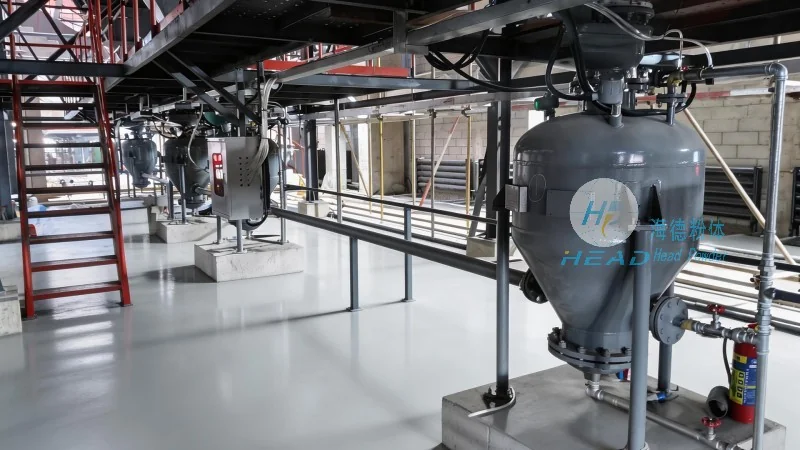
Chloroprene Rubber Powder Conveying Systems: An Overview of Operation and Function
Chloroprene rubber powder conveying systems are engineered to handle the unique properties of chloroprene rubber, such as its fine particle size, potential for static charge accumulation, and sensitivity to moisture. These systems are designed to ensure safe, reliable, and efficient material transfer from storage to processing units. The primary goal is to minimize material loss, prevent contamination, and maintain consistent flow rates, which are essential for downstream manufacturing processes.
The Operational Workflow of Chloroprene Rubber Powder Conveying
The operation process of chloroprene rubber powder conveying typically involves several sequential steps, each optimized to handle the material's characteristics. The workflow begins with the storage of raw chloroprene rubber powder in a silo or hopper, where the material is kept under controlled conditions to prevent agglomeration and moisture absorption. From the storage vessel, the powder is transferred to a feeder, which regulates the flow rate based on the required production demand. The feeder then feeds the material into a conveyor system, which can be either mechanical (e.g., screw conveyors, belt conveyors) or pneumatic (e.g., air slides, pneumatic conveyors), depending on the specific application and material properties.
During the conveying process, the system incorporates features to manage static electricity, such as grounding electrodes and anti-static additives, to prevent dust accumulation and ensure safe operation. Additionally, the conveyor may include a dust collection system to capture any airborne particles, maintaining a clean and safe working environment. The material is then delivered to the processing unit, such as a mixer or extruder, where it is further processed into final products. The entire workflow is monitored and controlled by a programmable logic controller (PLC) or a distributed control system (DCS), which adjusts parameters like flow rate, pressure, and temperature to optimize performance and prevent equipment damage.
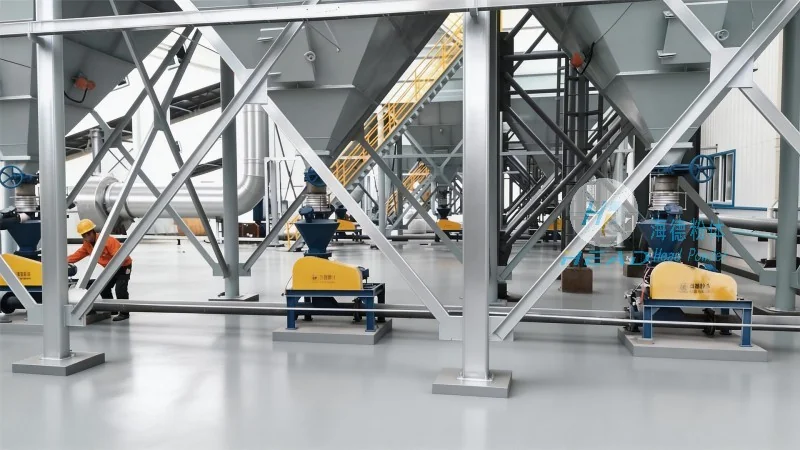
Working Principle of Chloroprene Rubber Powder Conveying Technology
The working principle of chloroprene rubber powder conveying technology revolves around the mechanics of material movement and the management of its physical properties. For mechanical conveying systems, the principle is based on the displacement of the material by a moving part, such as a screw or belt, which pushes the powder forward. The screw conveyor, for example, uses a rotating screw to transport the material along a tube or trough, with the pitch and speed of the screw determining the flow rate. Belt conveyors, on the other hand, use a continuous belt to carry the powder, often with a hopper or feeder at the loading end and a discharge chute at the end of the belt.
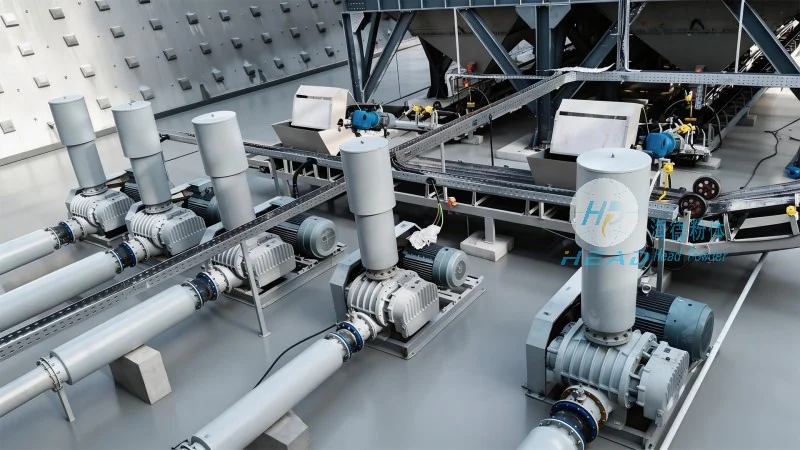
Pneumatic conveying systems operate on the principle of air flow, where the chloroprene rubber powder is suspended in a stream of air and transported through a pipeline. This method is particularly effective for fine powders, as it minimizes material degradation and reduces the risk of blockages. The system typically includes a blower or compressor to generate the air flow, a hopper to feed the powder, and a receiver to collect the material at the destination. The air velocity and pressure are carefully controlled to ensure the powder remains suspended and travels efficiently without clogging the pipeline.
In both mechanical and pneumatic systems, the design incorporates features to address the challenges posed by chloroprene rubber powder. For instance, the equipment is often made of materials resistant to the chemical properties of the rubber, such as stainless steel or special coatings, to prevent corrosion and material contamination. Additionally, the system may include vibration or agitation mechanisms to break up agglomerates and improve flowability, ensuring consistent performance. The working principle also emphasizes the importance of maintaining proper air or mechanical pressure, as fluctuations can lead to uneven flow or equipment failure.
Company Profile: Shandong HeadPowder Engineering Co., Ltd.
Shandong HeadPowder Engineering Co., Ltd., commonly known as HeadPowder, is a leading manufacturer and supplier of advanced powder handling solutions, including chloroprene rubber powder conveying systems. With a strong focus on innovation and customer satisfaction, HeadPowder has established itself as a trusted partner in the rubber and polymer industry. The company is headquartered in Shandong, China, and specializes in designing, manufacturing, and installing customized conveying systems tailored to the specific needs of clients.
HeadPowder's team of engineers and technicians brings extensive experience in powder technology, ensuring that each system is optimized for the unique properties of chloroprene rubber. The company utilizes state-of-the-art design software and testing facilities to develop efficient and reliable solutions that meet international standards. Clients benefit from HeadPowder's comprehensive service, which includes system design, equipment supply, installation, and after-sales support. The company's commitment to quality and customer service has earned it a reputation for delivering high-performance powder handling solutions that enhance production efficiency and product quality.
HeadPowder's facilities in Shandong, China, are equipped with modern manufacturing equipment and quality control systems, ensuring that all products meet the highest standards. The company adheres to strict quality management protocols, including ISO certification, to guarantee the reliability and durability of its conveying systems. By leveraging its expertise in powder technology and customer-centric approach, HeadPowder continues to provide innovative solutions that address the evolving needs of the rubber industry, supporting clients in achieving their production goals with efficiency and precision.