

Ferrous Oxide Powder Conveying: Operation Process and Working Principle
Understanding the operation process and working principle of ferrous oxide powder conveying is crucial for industries that rely on efficient material handling. This article provides a detailed overview of the key aspects involved in the conveying of ferrous oxide powder, including the technical processes, equipment used, and the importance of proper system design. The information is presented with a focus on practical applications and the role of specialized engineering solutions in optimizing powder handling operations.
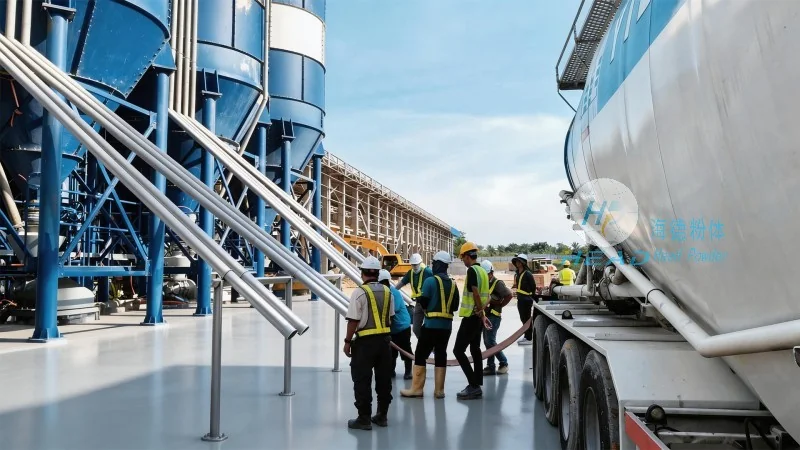
Introduction to Ferrous Oxide Powder Conveying
Ferrous oxide, commonly known as iron oxide, is a widely used powder in various industrial applications, including pigments, ceramics, and chemical manufacturing. The efficient and reliable transport of this powder from storage to processing units is essential to maintain production efficiency and product quality. Conveying systems for ferrous oxide powder must address challenges such as dust generation, material segregation, and the need for gentle handling to preserve particle integrity. This overview will explore the typical operation process and the underlying working principles that enable effective powder conveying.
Key Components of Ferrous Oxide Powder Conveying Systems
The successful operation of ferrous oxide powder conveying systems relies on several critical components that work in tandem to ensure smooth material transport. These components include feeders, conveyors, dust collection systems, and control mechanisms. Each component plays a specific role in the overall process, and their proper integration is vital for system performance.
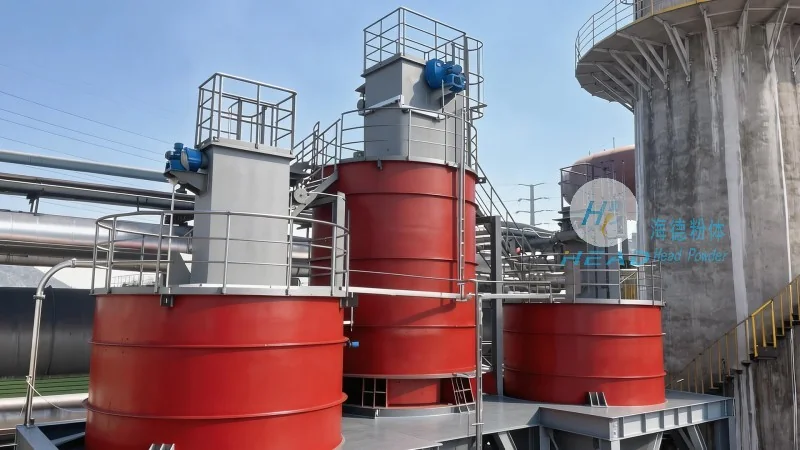
Feeders are responsible for regulating the flow of ferrous oxide powder from storage silos or hoppers into the conveying system. Common types of feeders used include screw feeders, vibratory feeders, and rotary valves. These devices ensure a consistent and controlled feed rate, preventing overloading or underloading of the conveyor. The choice of feeder depends on factors such as the powder's bulk density, flowability, and the required discharge rate.
Conveyors are the core of the powder conveying system, responsible for transporting the ferrous oxide powder from the feeder to the destination point. There are several types of conveyors suitable for ferrous oxide powder, including pneumatic conveyors, belt conveyors, and screw conveyors. Pneumatic conveyors use air pressure to move the powder through a pipeline, while belt and screw conveyors rely on mechanical motion to transport the material. The selection of the conveyor type is influenced by factors like the distance to be covered, the required capacity, and the need for gentle handling to avoid particle degradation.
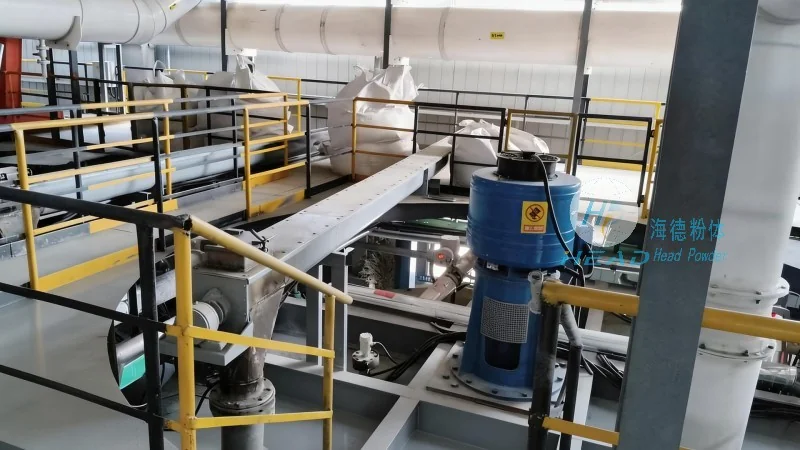
Dust collection systems are essential for maintaining a safe and clean working environment in ferrous oxide powder conveying operations. These systems capture and remove airborne particles, preventing dust accumulation and potential health hazards. Common dust collection methods include baghouse filters and cartridge filters, which effectively trap fine particles while allowing clean air to be released back into the facility. Proper maintenance of the dust collection system is crucial to ensure optimal performance and compliance with environmental regulations.
Control mechanisms, such as PLC (Programmable Logic Controller) systems, are used to monitor and regulate the operation of the conveying system. These systems allow for real-time adjustments to feed rates, conveyor speeds, and other parameters, ensuring that the process runs smoothly and efficiently. Automation of the conveying process not only improves operational efficiency but also reduces the risk of human error and enhances safety.
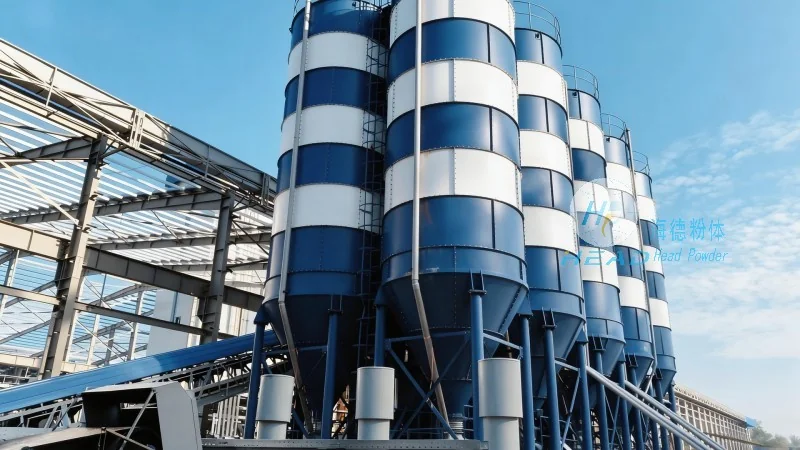
The Operation Process of Ferrous Oxide Powder Conveying
The operation process of ferrous oxide powder conveying typically involves several sequential steps that ensure the material is transported safely and efficiently from its source to the processing unit. The process begins with the storage of ferrous oxide powder in a silo or hopper. The powder is then fed into the conveying system using a feeder, which regulates the flow rate. The feeder then delivers the powder to the conveyor, which transports it to the desired location. The conveyor may be connected to a dust collection system to capture any airborne particles. Finally, the powder is discharged into the processing unit or storage container.
During the operation, the system is continuously monitored by control mechanisms to ensure that the feed rate, conveyor speed, and other parameters are within the desired range. Any deviations from the set points are detected and corrected automatically by the control system. This ensures that the conveying process runs smoothly and that the powder is delivered to the processing unit in a consistent manner.