

Operation Process and Working Principle of High-Pressure Dense-Phase Powder Conveying Systems
High-pressure dense-phase powder conveying systems represent a sophisticated technology designed to transport bulk powders efficiently and reliably. These systems are widely used in various industrial sectors, including chemical, pharmaceutical, food processing, and mining, where the safe and effective movement of powders is critical. The technology ensures minimal product degradation, low air consumption, and reduced energy costs compared to traditional pneumatic conveying methods. This article provides an in-depth look at the operation process and working principle of such systems, highlighting the key components, operational steps, and the benefits they offer to industrial applications.
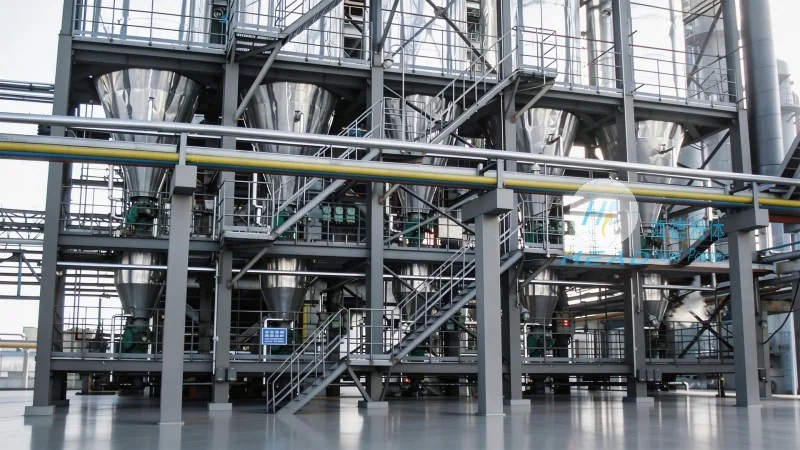
Key Components of High-Pressure Dense-Phase Powder Conveying Systems
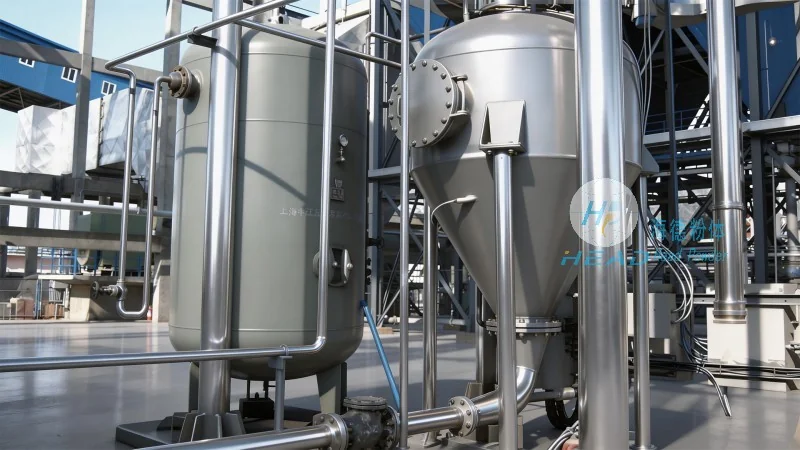
The high-pressure dense-phase powder conveying system consists of several essential components that work in tandem to achieve efficient powder transport. The primary components include a positive displacement blower or compressor, a hopper or feeder for material storage, a conveying line (often equipped with a pulse jet filter or dust collector), and a discharge device. The positive displacement blower is responsible for generating the high-pressure air required to move the powder. The hopper or feeder ensures a consistent feed of material, preventing blockages and maintaining a steady flow. The conveying line is typically made of stainless steel or other corrosion-resistant materials to handle various powder types. The pulse jet filter or dust collector is crucial for maintaining air quality and ensuring compliance with environmental regulations. The discharge device, such as a rotary valve or a venturi, controls the release of the powder at the destination point.
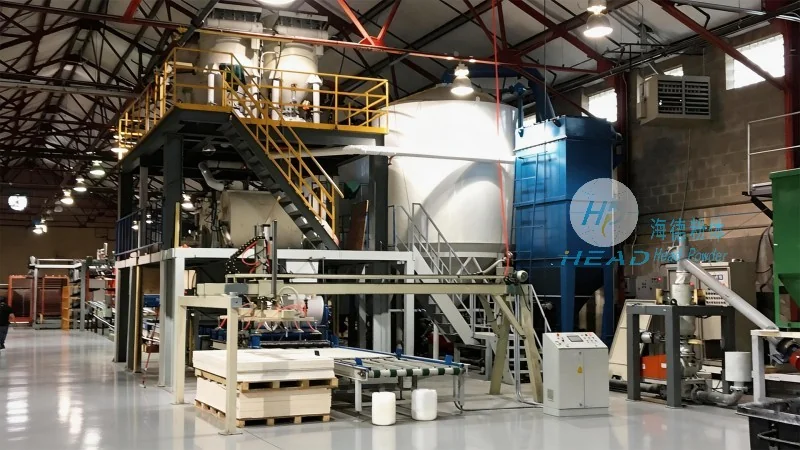
Working Principle of the High-Pressure Dense-Phase Powder Conveying Process
The operation of a high-pressure dense-phase powder conveying system follows a systematic process that ensures optimal performance. The process begins with the material being fed into the hopper from a storage silo or batch container. The feeder, often a rotary valve or a screw feeder, regulates the flow rate of the powder into the conveying line. Simultaneously, the positive displacement blower generates high-pressure air, which is then introduced into the conveying line at a controlled rate. The high-pressure air mixes with the powder, creating a dense mixture known as a "slug" or "plug" of material. This dense phase reduces the air velocity within the line, minimizing particle attrition and ensuring the powder remains intact. The mixture travels through the conveying line under pressure, reaching the discharge point. At the destination, the pressure is reduced, causing the air to expand and the powder to separate from the air stream. The powder is then discharged into a receiving container or processing unit, while the air is filtered and recycled back to the blower. This cycle repeats continuously, maintaining a consistent flow of material.
Operational Steps and Process Flow
The operational steps of a high-pressure dense-phase powder conveying system are as follows: 1. Material Loading: The bulk powder is loaded into the hopper from the storage system. 2. Feeding: The feeder regulates the flow of powder into the conveying line, ensuring a consistent feed rate. 3. Air Compression: The positive displacement blower compresses air to a high pressure, typically ranging from 5 to 15 bar. 4. Conveying: The high-pressure air mixes with the powder, forming a dense phase that travels through the conveying line. 5. Discharge: At the destination, the pressure is reduced, and the powder is separated from the air. 6. Filtration and Recycling: The air is filtered to remove any dust particles and is recycled back to the blower, reducing energy consumption. 7. Monitoring and Control: The system is equipped with sensors and controls to monitor pressure, flow rate, and air quality, ensuring optimal performance and preventing system failures.
Benefits and Advantages of High-Pressure Dense-Phase Powder Conveying Systems
High-pressure dense-phase powder conveying systems offer several advantages over traditional pneumatic conveying methods. These include: 1. Reduced Air Consumption: The dense phase reduces the volume of air required for conveying, leading to lower energy costs. 2. Lower Particle Attrition: The reduced air velocity minimizes the wear and tear on powder particles, preserving product quality. 3. Improved Safety: The system operates at high pressure but with a low air velocity, reducing the risk of dust explosions and improving workplace safety. 4. Versatility: The technology can handle a wide range of powder types, including fine, cohesive, and abrasive materials. 5. Cost-Effectiveness: The system is more economical in the long run due to lower maintenance costs and reduced energy consumption. 6. Environmental Compliance: The pulse jet filter ensures that the air discharged is clean, meeting environmental regulations and reducing the impact on the environment.
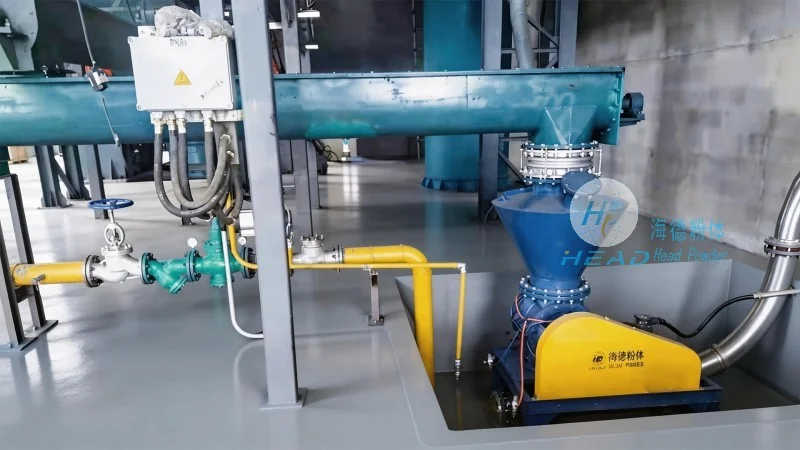
Application Examples and Industrial Use Cases
High-pressure dense-phase powder conveying systems are used in various industrial applications. For example, in the chemical industry, they are used to transport raw materials and finished products, such as powders for pharmaceuticals and specialty chemicals. In the food processing industry, they are used to convey ingredients like flour, sugar, and spices, ensuring a hygienic and efficient process. In the mining industry, they are used to transport ore and other minerals from processing plants to storage facilities. In the pharmaceutical industry, they are used to transport active pharmaceutical ingredients (APIs) and excipients, maintaining the purity and integrity of the product. These applications highlight the versatility and reliability of high-pressure dense-phase powder conveying systems in different industrial sectors.