

Operation Process and Working Principle of Small Stone Powder Conveying
Small stone powder conveying systems are integral to modern industrial operations, facilitating the efficient transport of fine particulate materials like small stones and other granular substances. Understanding the operation process and working principle of these systems is crucial for optimizing performance, ensuring safety, and maintaining consistent material flow in various industrial applications.
Company Overview
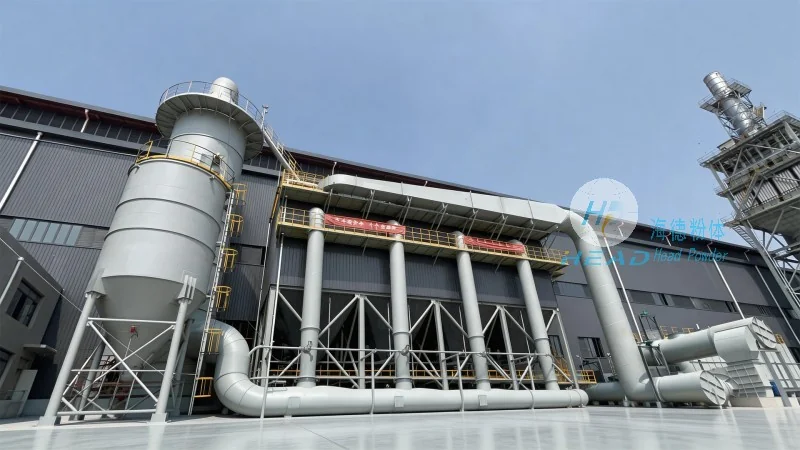
HeadPowder, a leading provider in the field, specializes in the design, manufacturing, and implementation of advanced powder conveying solutions. With a strong presence in Shandong, China, the company leverages over a decade of industry experience to deliver tailored systems that meet the unique demands of clients across diverse sectors. The company’s commitment to innovation and quality has established it as a trusted partner for businesses seeking reliable and efficient powder handling solutions.
Core Components and Their Functions
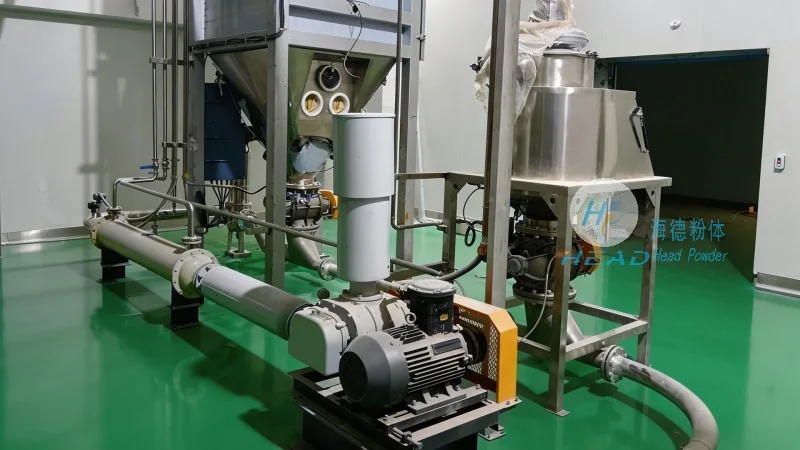
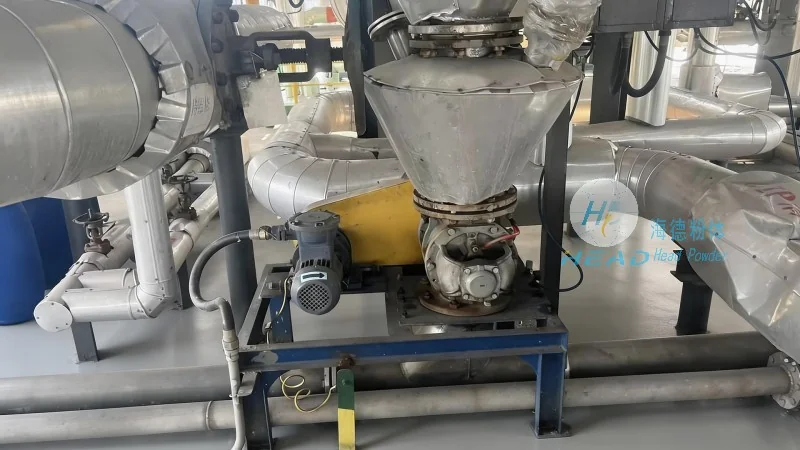
The operation of small stone powder conveying systems relies on a series of interconnected components, each playing a vital role in the overall process. Key components typically include a hopper for material storage, a feeding mechanism to control the flow of powder, a conveyor system (such as screw conveyors, pneumatic conveyors, or bucket elevators) for transporting the material, and a discharge outlet for delivering the material to its destination. The hopper ensures a steady supply of material, while the feeding mechanism regulates the rate at which powder enters the conveyor, preventing overloading and maintaining consistent flow. The conveyor system, which may vary based on the specific application and material characteristics, is responsible for the actual transport of the small stone powder. For instance, pneumatic conveyors use air pressure to move the material through a pipeline, while screw conveyors utilize rotating screws to push the powder forward. The discharge outlet then delivers the material to the next stage of processing or storage.
Operation Process: Step-by-Step Breakdown
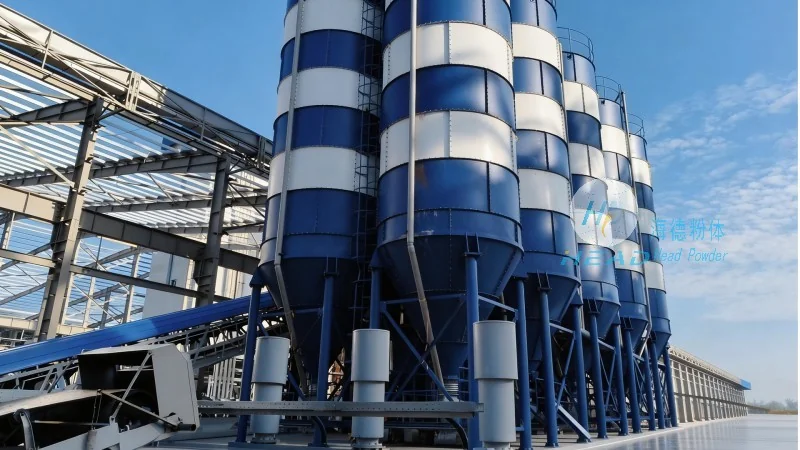
The operation process of a small stone powder conveying system involves several sequential steps that ensure smooth and efficient material handling. Initially, the small stones are fed into the hopper from a storage silo or raw material source. The feeding mechanism then controls the flow of material from the hopper into the conveyor system. As the material enters the conveyor, it is transported to the discharge point. In pneumatic conveying systems, the material is suspended in a stream of air and carried through the pipeline to the destination. In screw conveyors, the rotating screws push the material forward, maintaining a continuous flow. The discharge outlet then releases the material into a collection bin or processing unit. Throughout this process, sensors and control systems monitor key parameters such as pressure, flow rate, and material level, ensuring that the system operates within optimal parameters. Any deviations are automatically adjusted to maintain consistent performance and prevent system failures.
Working Principle: Mechanisms and Technologies
The working principle of small stone powder conveying systems is based on the physical properties of the material and the principles of fluid dynamics or mechanical force. For pneumatic conveying systems, the core principle is the use of air pressure to move the powder. The system generates a high-pressure air stream that entrains the small stone particles, creating a slurry-like mixture that flows through the pipeline. The air pressure is carefully controlled to ensure that the material is transported efficiently without causing excessive wear on the system components. For screw conveyors, the working principle is based on the mechanical rotation of screws. The rotating screws push the material forward, leveraging the friction between the material and the screw surface to move the powder. This method is particularly effective for materials that are not easily suspended in air, such as small stones with higher density. The choice of conveying technology depends on factors such as the material's characteristics (e.g., particle size, moisture content, and density), the distance to be conveyed, and the required flow rate.
Advantages and Applications
Small stone powder conveying systems offer several advantages that make them suitable for a wide range of industrial applications. These systems provide a continuous and reliable flow of material, reducing downtime and improving overall productivity. They also help maintain a clean and dust-free environment by containing the material within a closed system, which is particularly important for materials that are prone to dust generation. Additionally, the systems are designed to handle a variety of material types, including abrasive or corrosive materials, making them versatile for different industrial processes. Applications of small stone powder conveying systems include mining operations, where they are used to transport crushed stone and ore; construction sites, where they convey sand, gravel, and other aggregates; and manufacturing facilities, where they handle raw materials for production processes. The systems are also used in the food and pharmaceutical industries, where they transport powders that require strict contamination control.
Maintenance and Safety Considerations
Proper maintenance and adherence to safety guidelines are essential for ensuring the longevity and safe operation of small stone powder conveying systems. Regular maintenance tasks include inspecting and cleaning the hopper and conveyor components to prevent material buildup and blockages. The feeding mechanism and conveyor system should be checked for wear and tear, and replaced as needed to avoid system failures. Additionally, the air filters and pressure regulators in pneumatic systems should be maintained to ensure efficient operation and prevent air leaks. Safety considerations are critical, as these systems can pose risks such as dust explosions or mechanical injuries. Proper ventilation and dust suppression systems are installed to minimize dust accumulation and prevent explosions. Personnel operating the system should be trained on safety procedures and the use of personal protective equipment (PPE), such as dust masks and safety glasses. Regular safety inspections should be conducted to identify and address potential hazards, ensuring that the system operates safely and efficiently.
Conclusion
In conclusion, small stone powder conveying systems are essential components of modern industrial operations, providing efficient and reliable transport of fine particulate materials. The operation process involves a series of steps, from material storage to discharge, with each component playing a vital role in maintaining consistent flow. The working principle of these systems is based on physical properties and fluid dynamics, with options such as pneumatic and screw conveyors tailored to specific material and application requirements. HeadPowder, with its expertise and commitment to quality, offers advanced solutions that meet the diverse needs of clients. By understanding the operation process and working principles, businesses can optimize their powder handling systems, improve productivity, and ensure safe and efficient material transport. The continued development of these systems will further enhance their capabilities, supporting the growth and efficiency of industrial operations worldwide.