

Operation Process and Working Principle of Calcined Ash Powder Conveying Line
Calcined ash powder conveying lines are critical components in industrial processes, particularly in facilities dealing with the handling and transportation of calcined ash. These systems are designed to efficiently move calcined ash from one location to another, ensuring smooth operation and minimizing downtime. The operation process and working principle of such lines involve several key elements that work in tandem to achieve reliable and consistent performance.
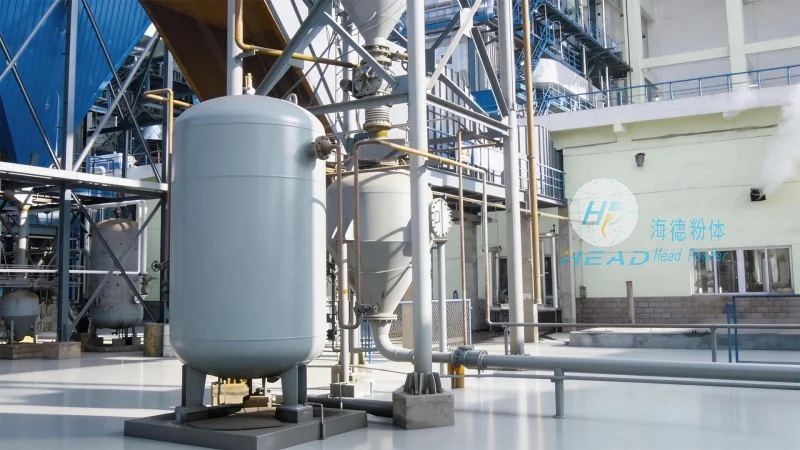
Company Background and Expertise
Headpowder, the professional manufacturer of calcined ash powder conveying lines, is a leading company in the field of powder handling equipment. With its headquarters in Shandong, China, Headpowder has established itself as a trusted provider of high-quality conveying solutions. The company specializes in the design, manufacturing, and installation of calcined ash powder conveying systems, leveraging years of experience and technical expertise to meet the diverse needs of industrial clients. Headpowder's commitment to quality and innovation has made it a preferred choice for businesses seeking efficient and reliable powder handling solutions.
Working Principle of Calcined Ash Powder Conveying Lines
The working principle of a calcined ash powder conveying line is based on the principles of pneumatic or mechanical conveying, depending on the specific requirements of the application. In pneumatic conveying systems, the calcined ash is transported through a pipeline using air or other gases as the medium. The system typically includes a hopper for material storage, a feeder to control the flow rate, a conveying pipeline, and a receiver for the discharged material. The ash is fed into the pipeline, and the air flow propels it through the system, ensuring uniform and continuous movement. Mechanical conveying systems, on the other hand, use mechanical components such as belts, screws, or buckets to move the ash. These systems are often preferred for applications where the ash has a high moisture content or is prone to clumping, as they can handle such materials more effectively.
Operation Process of the Conveying Line
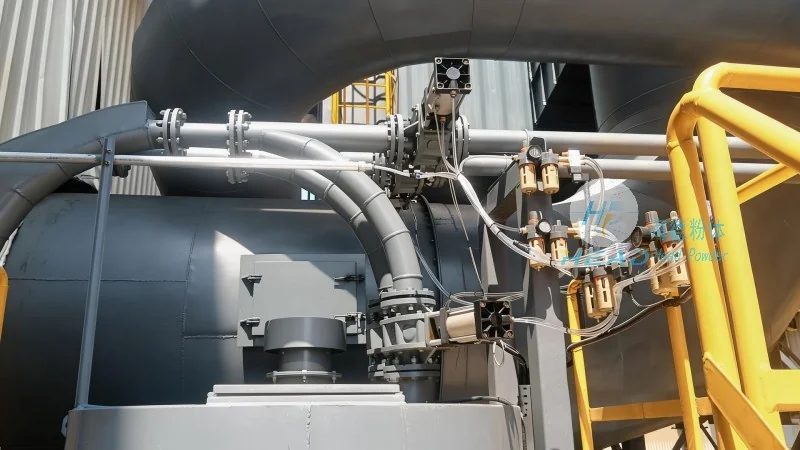
The operation process of a calcined ash powder conveying line involves several steps that ensure the efficient and safe handling of the material. The process begins with the loading of calcined ash into the hopper. The hopper is designed to store a sufficient quantity of material to maintain a steady flow to the feeder. The feeder then regulates the flow rate, ensuring that the ash is fed into the conveying system at a consistent rate. The conveying pipeline transports the ash from the feeder to the receiver, where it is collected. The system may include additional components such as filters, separators, or cleaning mechanisms to maintain the quality of the ash and prevent blockages. The control system monitors the operation of the conveying line, adjusting the flow rate and air pressure as needed to maintain optimal performance. This ensures that the conveying line operates smoothly and efficiently, minimizing the risk of downtime or material loss.
Key Components and Their Functions
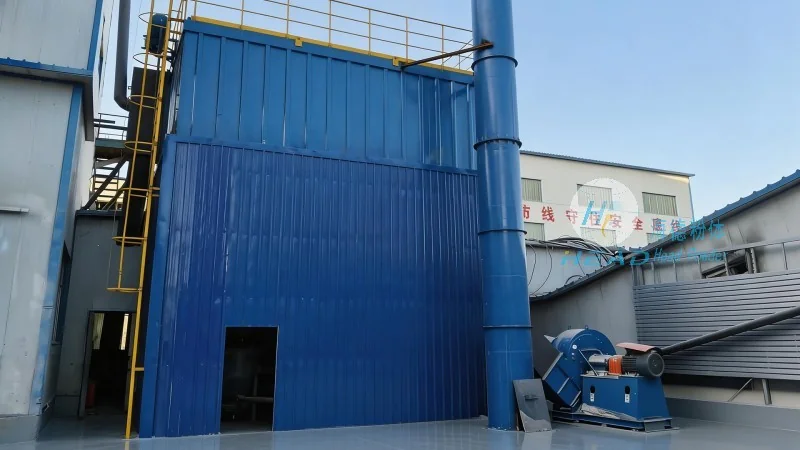
Several key components are integral to the operation of a calcined ash powder conveying line. The hopper serves as the storage container for the calcined ash, providing a stable base for the material and preventing it from falling out. The feeder is responsible for controlling the flow rate of the ash, ensuring that it is fed into the conveying system at a consistent rate. The conveying pipeline is the main channel through which the ash is transported, and it is designed to withstand the pressure and flow of the material. The receiver collects the ash at the end of the pipeline, and it is typically equipped with a discharge mechanism to allow the material to be removed. The control system monitors the operation of the conveying line, adjusting the flow rate and air pressure as needed. This ensures that the conveying line operates smoothly and efficiently, minimizing the risk of downtime or material loss. The filters and separators are used to remove any impurities or moisture from the ash, ensuring that the material is of high quality and suitable for its intended use.
Advantages of Using Calcined Ash Powder Conveying Lines
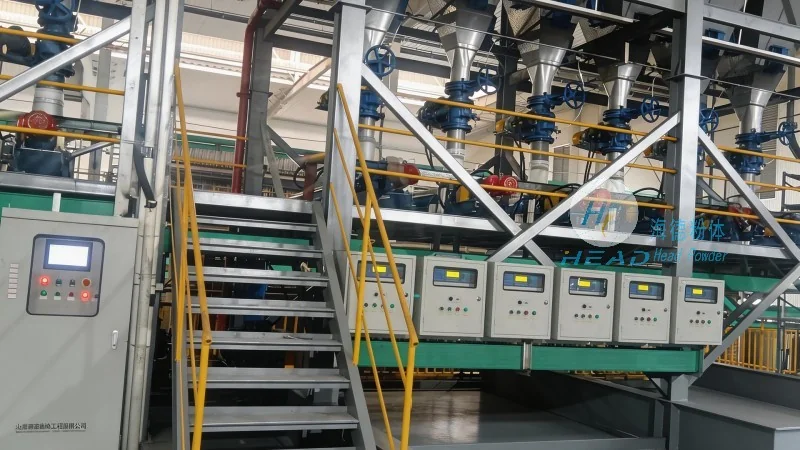
There are several advantages to using calcined ash powder conveying lines in industrial applications. These systems are highly efficient, as they can transport large quantities of ash over long distances with minimal energy consumption. They are also flexible, as they can be designed to handle different types of ash and different flow rates. The conveying lines are also safe and reliable, as they are equipped with safety features such as pressure relief valves and emergency stop buttons. Additionally, the systems are easy to maintain, as they have few moving parts and are designed to be low-maintenance. These advantages make calcined ash powder conveying lines an ideal choice for businesses seeking to improve their material handling processes and increase their productivity.
Conclusion
Calcined ash powder conveying lines are essential components in industrial processes, providing efficient and reliable transportation of calcined ash. The operation process and working principle of these lines involve several key elements that work in tandem to achieve optimal performance. Headpowder, with its expertise and experience, offers high-quality conveying solutions that meet the diverse needs of industrial clients. By understanding the working principle and operation process of these systems, businesses can make informed decisions about their material handling needs and choose the most suitable conveying line for their application.