

Operation Process and Working Principle of White Clay Powder Conveying Line
HeadPowder, a leading provider in the field of material handling solutions, specializes in the design, manufacturing, and installation of advanced conveying systems. This article focuses on the operation process and working principle of a white clay powder conveying line, highlighting the technical aspects and practical applications of such systems. The company, Shandong HeadPowder Engineering Co., Ltd., is headquartered in Shandong, China, and has established itself as a trusted partner for industries requiring efficient and reliable powder handling solutions.
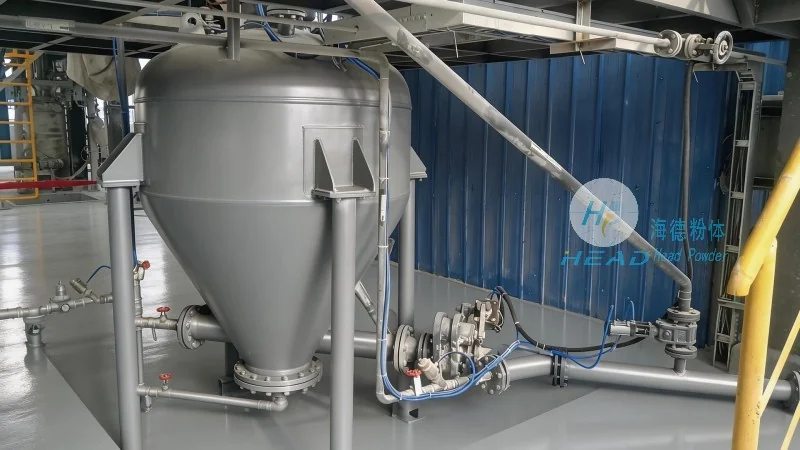
Overview of White Clay Powder Conveying Line
A white clay powder conveying line is a specialized system engineered to transport white clay powder from its source to the desired destination, such as storage silos, processing units, or packaging areas. These systems are critical in industries like ceramics, paper, and chemical manufacturing, where consistent and efficient material transport is essential for operational efficiency and product quality. The design of a white clay powder conveying line typically involves components like feeders, conveyors, dust collectors, and control systems, all working in tandem to ensure smooth and safe material movement.
Key Components of the Conveying Line
The operation of a white clay powder conveying line relies on several key components that work together to achieve efficient material transport. The primary components include:
- Feeder: The feeder is responsible for uniformly feeding the white clay powder into the conveying system. It ensures a consistent flow rate, preventing blockages and maintaining the integrity of the powder. Common types of feeders used include screw feeders, star feeders, and rotary valves, each designed to handle specific powder characteristics.
- Conveyor: The conveyor is the core component that transports the white clay powder through the system. Depending on the application, different types of conveyors may be employed, such as pneumatic conveyors (air-assisted), mechanical conveyors (e.g., belt or chain conveyors), or hybrid systems. Pneumatic conveyors are particularly effective for white clay powder due to their ability to handle fine powders and minimize dust generation.
- Dust Collector: To maintain a clean and safe working environment, a dust collector is integrated into the system. It captures and filters the airborne particles, ensuring compliance with environmental regulations and protecting the equipment from dust accumulation. The dust collector typically consists of a filter housing, a fan, and a collection bin, working together to remove dust from the air stream.
- Control System: The control system manages the operation of the entire conveying line, including the feeder, conveyor, and dust collector. It uses sensors and controllers to monitor parameters like flow rate, pressure, and temperature, and adjusts the system settings as needed to maintain optimal performance. Modern control systems often incorporate automation features, allowing for remote monitoring and operation.
Operation Process of the White Clay Powder Conveying Line
The operation process of a white clay powder conveying line involves several sequential steps, each designed to ensure efficient and safe material transport. The process typically begins with the feeding of white clay powder into the system:
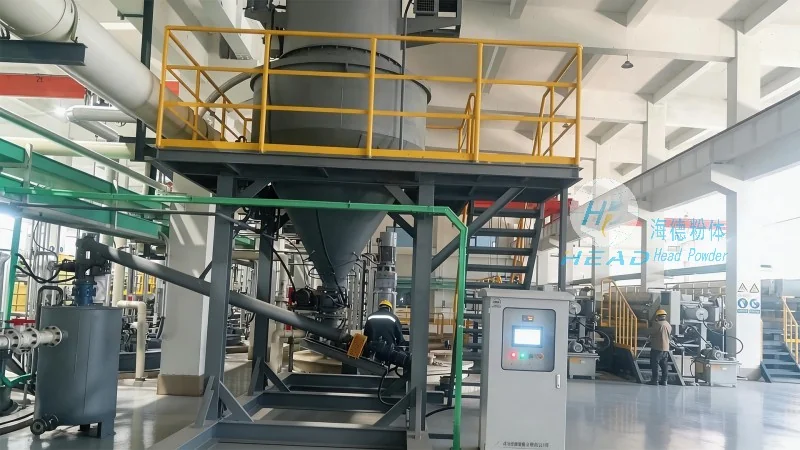
- Powder Loading: White clay powder is loaded into the hopper or storage silo from which it will be fed into the conveying system. The powder is typically stored in a silo to maintain its quality and prevent moisture absorption.
- Feeding: The feeder uniformly feeds the white clay powder from the hopper into the conveyor. The feeder adjusts the flow rate based on the system's requirements, ensuring a consistent supply of material.
- Conveying: The conveyor transports the white clay powder through the system, using air pressure (in pneumatic systems) or mechanical force (in mechanical systems) to move the material. The conveyor may include sections with different diameters or angles to accommodate changes in direction or elevation.
- Distribution: The conveyed white clay powder is directed to the desired destination, such as a storage silo, processing unit, or packaging area. The system may include diverters or valves to control the flow and direct the powder to the appropriate location.
- Dust Collection: As the powder is conveyed, the dust collector captures any airborne particles, ensuring a clean and safe environment. The collected dust is stored in a collection bin and can be disposed of or reused as needed.
- System Monitoring: The control system continuously monitors the operation of the conveying line, adjusting parameters as needed to maintain optimal performance. Operators can monitor the system's status and intervene if any issues arise.
Working Principle of the Conveying Line
The working principle of a white clay powder conveying line is based on the principles of fluidization and pneumatic transport. In pneumatic conveying systems, the white clay powder is suspended in a stream of air, which carries the material through the system. The air pressure and velocity are carefully controlled to ensure the powder is transported efficiently without causing blockages or excessive wear on the equipment.
The system operates by creating a pressure differential between the inlet and outlet of the conveyor. The feeder introduces the white clay powder into the air stream, and the air flow carries the powder particles forward. The dust collector then separates the powder from the air, allowing the clean air to be recirculated or discharged. The control system maintains the pressure and flow rate to ensure consistent operation.
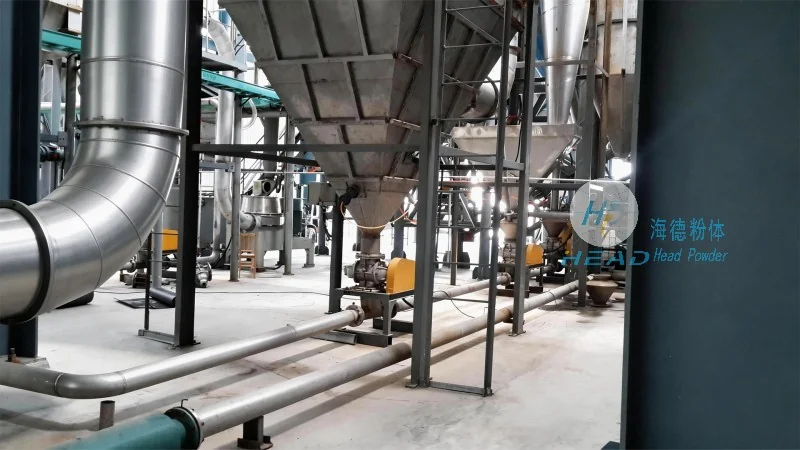
Technical Advantages of the White Clay Powder Conveying Line
The white clay powder conveying line offers several technical advantages that make it an ideal solution for industries handling fine powders. These advantages include:
- Efficient Material Transport: The system provides a continuous and efficient transport of white clay powder, reducing downtime and increasing productivity.
- Minimized Dust Generation: The integrated dust collector effectively captures airborne particles, maintaining a clean and safe working environment and complying with environmental regulations.
- Reduced Maintenance: The design of the conveying line, with its robust components and proper maintenance, reduces the need for frequent repairs and extends the equipment's lifespan.
- Customizable Design: The system can be customized to meet the specific requirements of different applications, including varying flow rates, material characteristics, and operational conditions.
- Energy Efficiency: Modern conveying systems are designed to be energy-efficient, using optimized air flow and control systems to minimize energy consumption.
Applications and Industries
The white clay powder conveying line is widely used in various industries that require the handling of fine powders. Some of the key applications include:
- Ceramics Industry: White clay is a primary raw material in the production of ceramics, and the conveying line ensures efficient transport from storage to the production line.
- Paper Industry: White clay is used as a filler in paper production, and the system facilitates its transport from storage to the papermaking process.
- Chemical Manufacturing: In chemical plants, white clay is used as a filler or catalyst, and the conveying line ensures safe and efficient handling of the material.
- Food and Beverage Industry: Some food products may use white clay as an ingredient, and the system ensures hygienic and efficient transport of the powder.
Conclusion
The white clay powder conveying line is a sophisticated system that combines advanced technology and engineering to provide efficient, reliable, and safe material transport. With its integrated components and automated control systems, the line ensures consistent performance and minimal downtime, making it an essential solution for industries handling fine powders. HeadPowder, as a leading provider, continues to innovate and improve its conveying systems to meet the evolving needs of its clients, ensuring that the white clay powder conveying line remains a cornerstone of material handling solutions.