

Operation Process and Working Principle of a Hygroscopic Sodium Nitrate Powder Conveying Machine
In industrial settings, the efficient and reliable transportation of hygroscopic sodium nitrate powder is crucial for maintaining production efficiency and product quality. Hygroscopic materials like sodium nitrate are prone to moisture absorption and caking, which can impede normal handling processes. A specialized powder conveying machine designed for such conditions is essential to ensure smooth material flow and minimize operational disruptions. This article provides an in-depth look at the operation process and working principle of a hygroscopic sodium nitrate powder conveying machine, highlighting key components, operational steps, and the technological advancements that enhance its performance.
Company Overview
HeadPowder, a leading manufacturer in the field of powder handling equipment, is dedicated to providing high-quality solutions for challenging material transport applications. With a strong focus on innovation and customer satisfaction, Shandong HeadPowder Engineering Co., Ltd. has established itself as a trusted partner in the industry. HeadPowder's facilities are located in Shandong, China, where advanced manufacturing processes and rigorous quality control ensure that every product meets the highest standards. The company's expertise in powder technology enables it to develop tailored solutions that address the unique challenges of handling hygroscopic and abrasive materials.
Working Principle of the Conveying System
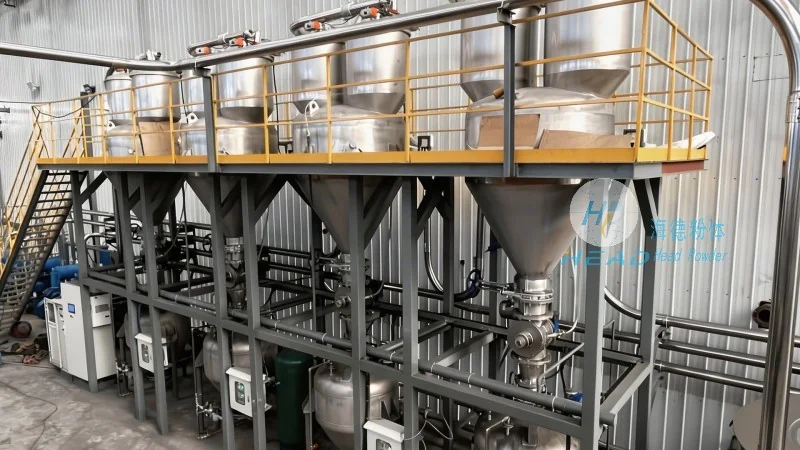
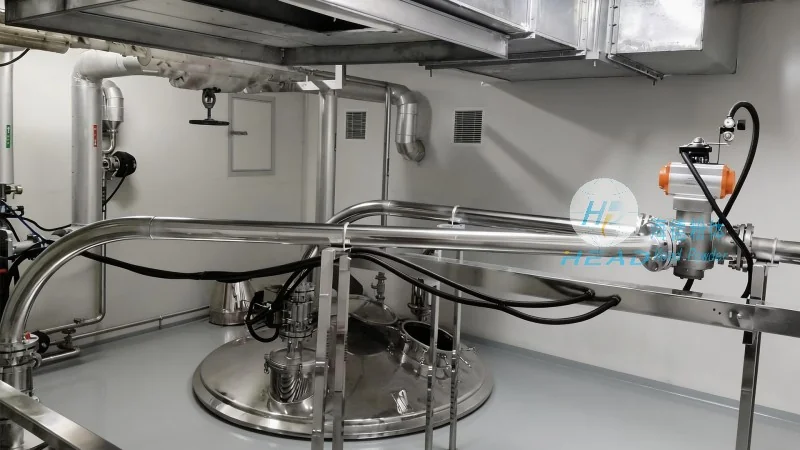
The hygroscopic sodium nitrate powder conveying machine operates on a combination of mechanical and pneumatic principles to ensure effective material transport. The system typically consists of several key components, including a hopper for material storage, a feeding mechanism to regulate the flow of powder, a conveyor section (such as a screw or pneumatic tube) to move the material, and a control unit to monitor and adjust the process. The design of the machine takes into account the hygroscopic nature of sodium nitrate, incorporating features like anti-caking plates and moisture-resistant materials to prevent material buildup and ensure consistent performance. The feeding mechanism, often a rotary valve or a screw feeder, controls the rate at which powder enters the conveyor, preventing overloading and maintaining a steady flow. The conveyor section, whether a screw conveyor or a pneumatic system, uses low-speed, high-torque motors to handle the abrasive and moisture-sensitive properties of the material without causing excessive wear or degradation.
Operation Process
The operation of the hygroscopic sodium nitrate powder conveying machine follows a systematic sequence to ensure safety and efficiency. Before initiating the process, the operator performs a pre-start check, which includes verifying that the hopper is properly filled, checking for any blockages in the conveyor, and ensuring that all electrical connections are secure. Once the pre-start checks are completed, the system is started in a controlled manner. The feeding mechanism begins to regulate the flow of powder into the conveyor, and the conveyor motor activates to move the material forward. During operation, the control unit continuously monitors parameters such as flow rate, pressure, and temperature, providing real-time feedback to the operator. The operator can adjust the settings as needed to maintain optimal performance, such as increasing the conveyor speed if the material flow is too slow or reducing it if there is a risk of overloading. The system operates continuously until the material in the hopper is depleted or the production process is paused. When stopping the machine, the operator follows a reverse sequence: first, the conveyor motor is turned off, then the feeding mechanism is stopped to prevent material from entering the system, and finally, the hopper is emptied or the material is transferred to a storage container. Proper shutdown procedures are critical to prevent residual material from caking and to maintain the longevity of the equipment.
Key Features and Benefits
The hygroscopic sodium nitrate powder conveying machine from HeadPowder offers several advantages that make it a preferred choice for industrial applications. One of the primary benefits is its high efficiency in transporting moisture-sensitive materials, which reduces downtime and improves overall productivity. The machine's design minimizes material degradation and caking, ensuring that the quality of the sodium nitrate remains consistent throughout the conveying process. Low energy consumption is another key feature, as the system uses advanced motor technology to operate with minimal power usage, contributing to cost savings and environmental sustainability. The modular construction of the machine allows for easy maintenance and replacement of components, reducing downtime during servicing. Additionally, the machine is equipped with safety features such as overload protection and emergency stop buttons, ensuring the safety of operators and preventing equipment damage. The robust construction, using materials resistant to corrosion and wear, extends the lifespan of the equipment and reduces the need for frequent repairs.
Application Scenarios
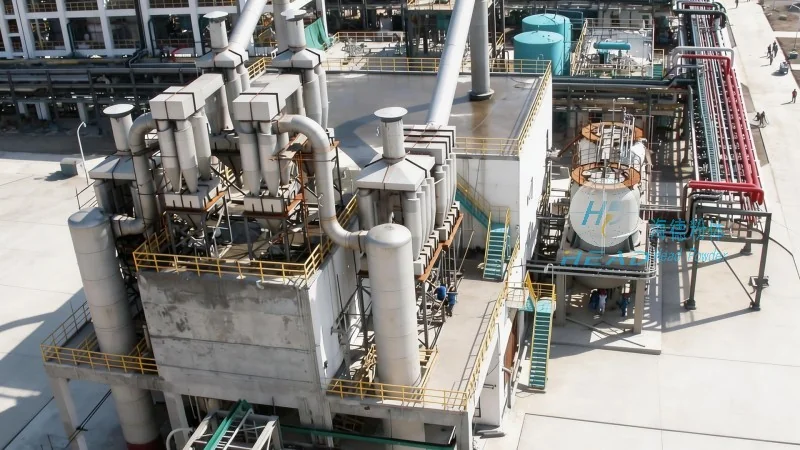
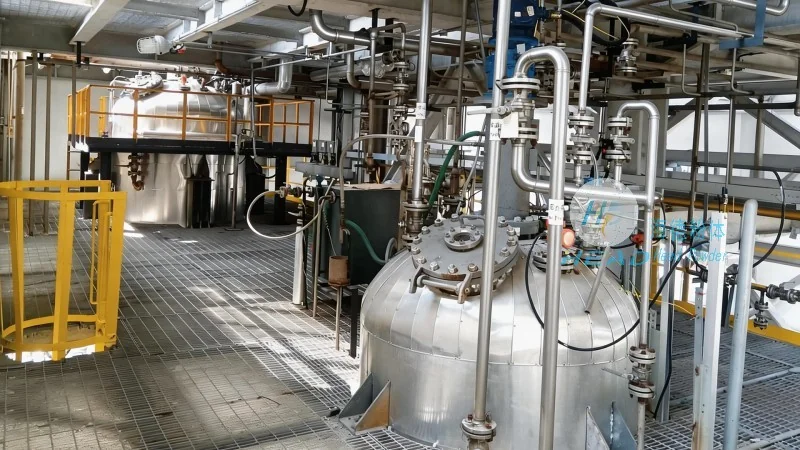
The hygroscopic sodium nitrate powder conveying machine is widely used in various industrial sectors where the handling of hygroscopic and abrasive materials is required. In the chemical industry, it is commonly employed in the production of fertilizers, explosives, and other chemical products, where consistent material flow is essential for maintaining production rates. The agricultural sector also benefits from this equipment, as sodium nitrate is used as a nitrogen source in fertilizers, and the machine ensures that the powder is transported safely and efficiently to storage or application sites. In the food industry, while less common due to safety regulations, the machine can be adapted for handling certain food-grade sodium nitrate products, though this requires additional sanitation measures. The versatility of the machine makes it suitable for a range of applications, from small-scale operations to large-scale industrial plants, providing a reliable solution for material transport in challenging environments.