

Operation Process and Working Principle of Positive Pressure Blowing Type Powder Conveying System Eq
Positive pressure blowing type powder conveying systems are specialized equipment designed to transport bulk powders over long distances with high efficiency and reliability. These systems operate by creating a positive pressure environment within the conveying line, ensuring that the powder is continuously moved from the source to the destination. The technology is widely used in various industries, including chemical, food, pharmaceutical, and cement, where the safe and efficient handling of powders is critical.
About Shandong HeadPowder Engineering Co., Ltd.
Headpowder, the professional manufacturer behind these advanced powder conveying systems, is a leading company based in Shandong, China. With years of experience in the field, Headpowder specializes in the research, development, and production of high-quality powder handling equipment. The company's commitment to innovation and quality has established it as a trusted partner for businesses seeking reliable solutions for their powder transport needs.
Working Principle of Positive Pressure Blowing Type Powder Conveying Systems
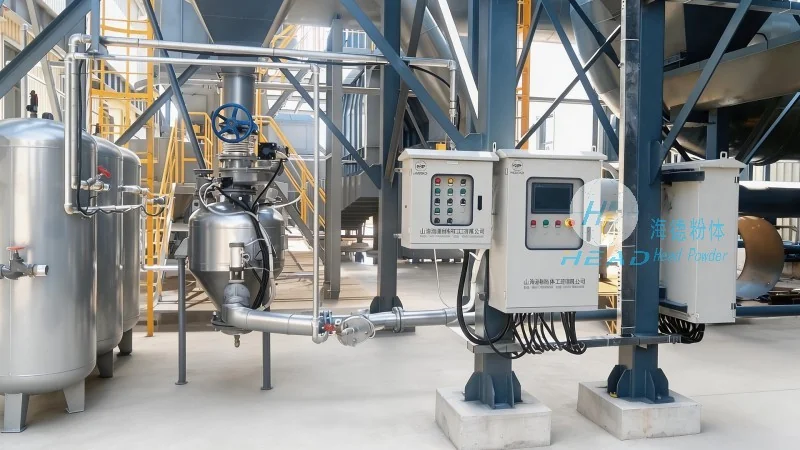
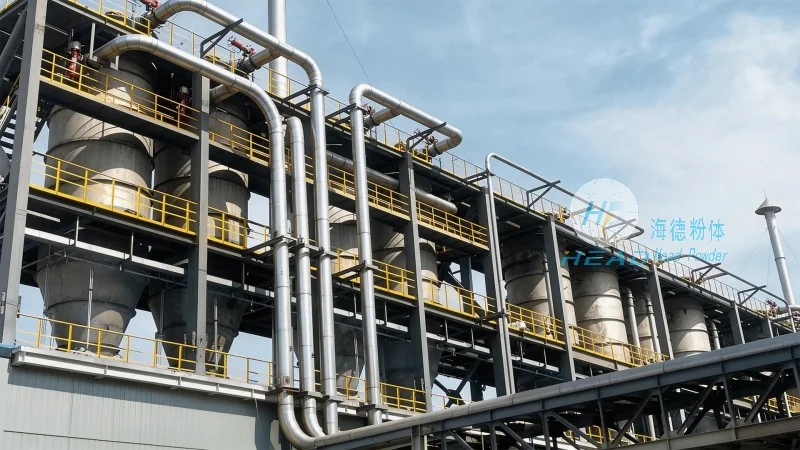
The core of a positive pressure blowing type powder conveying system lies in its ability to generate and maintain a positive pressure within the conveying pipeline. This is typically achieved through a high-pressure blower or fan that draws air into the system and forces it through the pipeline at a controlled rate. The air flow carries the powder particles along the pipeline, ensuring that the entire system operates under positive pressure. This design prevents the ingress of external air or contaminants, maintaining the purity and integrity of the conveyed material. The system also incorporates appropriate valves and controls to regulate the flow rate and pressure, allowing for precise control over the conveying process. A high-efficiency blower or fan is the central component, responsible for drawing ambient air into the system and compressing it to a pressure higher than the ambient pressure. This pressurized air is then directed into the pipeline, creating a continuous flow that propels the powder particles forward. The system typically includes a hopper or feeder that feeds the powder into the air stream, ensuring a consistent supply of material. The pipeline is designed with appropriate diameters and bends to minimize pressure loss and maintain the required flow velocity. Check valves and pressure relief valves are also incorporated to prevent backflow and protect the system from overpressure conditions.
Operation Process of the Equipment
The operation process of a positive pressure blowing type powder conveying system involves several key steps. First, the powder is loaded into the hopper or storage container. The system then activates the blower, which starts to generate the necessary air pressure. The powder is then drawn from the hopper and mixed with the air stream, forming a slurry or suspension that is transported through the pipeline. At the destination, the powder is separated from the air using a cyclone or other separation equipment, and the air is either recirculated or discharged. The system's control panel allows operators to monitor and adjust the pressure, flow rate, and other parameters in real-time, ensuring optimal performance and preventing issues such as blockages or pressure drops. The operation process begins with the preparation of the system. The hopper is filled with the powder to be conveyed, and the system is checked for proper connections and functionality. Once the system is ready, the blower is started, and the air pressure is increased to the desired level. The powder is then released from the hopper, and the air flow carries it through the pipeline. The system's control system monitors the pressure and flow rate, adjusting the blower speed as needed to maintain optimal conditions. At the receiving end, a separator, such as a cyclone or bag filter, is used to separate the powder from the air. The separated powder is collected in a container, while the air is either recirculated back to the blower or discharged to the atmosphere. The entire process is automated, allowing for continuous operation with minimal manual intervention. Operators can use the control panel to adjust parameters such as pressure, flow rate, and conveyor speed, ensuring that the system operates efficiently and safely.
Key Features and Advantages
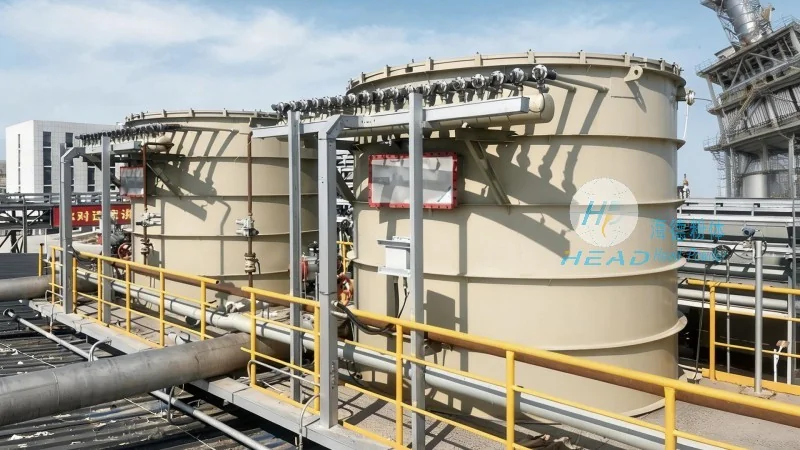
Positive pressure blowing type powder conveying systems offer several advantages over other conveying methods. The primary benefit is the ability to transport powders over long distances without the need for intermediate storage or transfer points. The positive pressure design also minimizes the risk of dust emissions and contamination, making it suitable for applications where product purity is paramount. Additionally, these systems are highly efficient, with low energy consumption and minimal maintenance requirements. The robust construction and reliable components ensure long service life and consistent performance, reducing downtime and operational costs for users. The systems are also flexible, allowing for easy integration with existing production lines and the ability to handle a wide range of powder types and sizes. This adaptability makes them a versatile solution for various industrial applications.