

Operation Process and Working Principle of Sand Particle Material Conveying
Efficient and reliable material conveying systems are essential for industries dealing with bulk materials, particularly in the handling of sand particles. Understanding the operation process and working principles of sand particle material conveying is crucial for optimizing production efficiency and ensuring safe operation. This article provides a detailed overview of the key aspects involved in the conveyance of sand particles, highlighting the technical considerations and practical applications relevant to industrial settings.
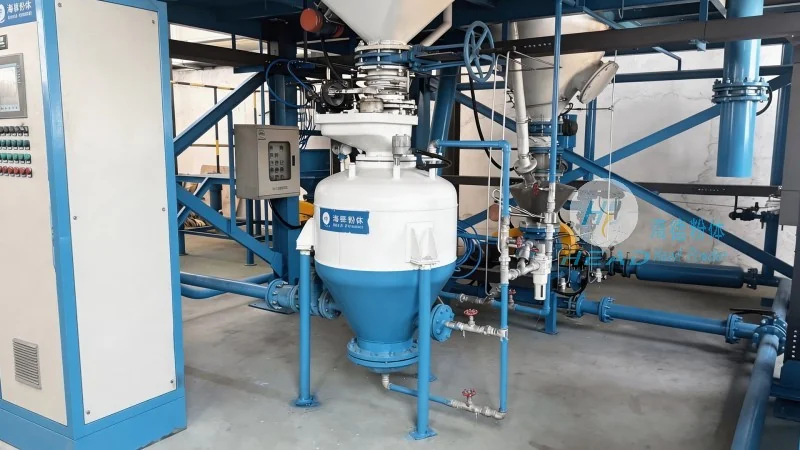
Overview of Sand Particle Material Conveying
Sand particle material conveying involves the movement of granular materials, such as sand, from one location to another within a processing facility. This process is integral to various industries, including construction, mining, and manufacturing, where sand is a primary raw material. The effectiveness of the conveying system directly impacts the overall productivity and cost-effectiveness of material handling operations. In this context, HeadPowder, a leading engineering company based in Shandong, China, specializes in the design, manufacturing, and implementation of advanced material conveying solutions tailored to the specific needs of sand particle handling.
The Core Components of a Sand Particle Conveying System
A typical sand particle conveying system comprises several key components that work in concert to ensure smooth material transport. These components include the feeding mechanism, conveyor equipment (such as belt conveyors, screw conveyors, or pneumatic conveyors), control systems, and safety features. The feeding mechanism is responsible for delivering the sand particles into the conveyor system, ensuring a consistent flow rate. Conveyor equipment then transports the sand particles through the system, while control systems regulate the speed and direction of the conveying process. Safety features, such as emergency stop buttons and overload protection, are integrated to prevent accidents and protect personnel and equipment.
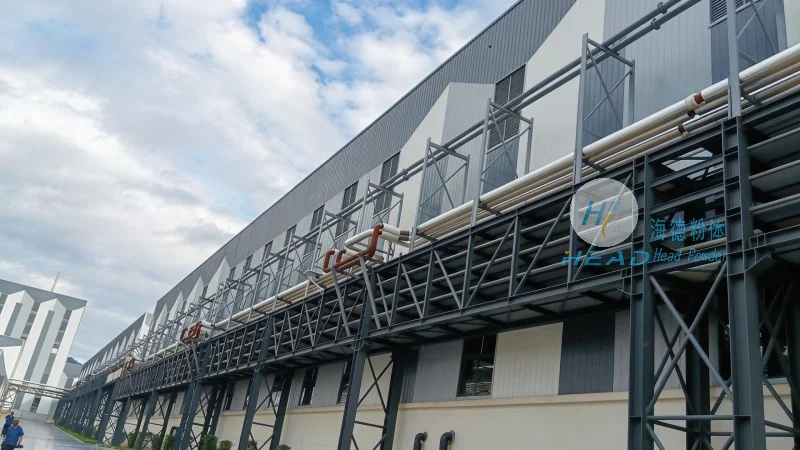
The Operation Process of Sand Particle Material Conveying
The operation process of sand particle material conveying typically follows a sequential workflow. Initially, sand particles are fed into the system from a storage hopper or silo. The feeding mechanism ensures that the particles are evenly distributed and fed at a controlled rate into the conveyor. As the particles enter the conveyor, they are transported along the conveyor path, which may involve vertical or horizontal movement, depending on the layout of the facility. The conveyor system may include multiple sections, such as inclines or declines, to adjust the elevation of the sand particles. At the end of the conveyor path, the sand particles are discharged into a receiving container or processing unit. Throughout the process, sensors and monitoring systems track the flow rate, pressure, and temperature to ensure optimal performance and detect any potential issues.
Working Principles of Different Conveying Technologies
Different conveying technologies are employed based on the characteristics of the sand particles and the operational requirements. For instance, belt conveyors are commonly used for horizontal or slight incline transport due to their high load capacity and ability to handle a wide range of particle sizes. Screw conveyors, on the other hand, are suitable for vertical or horizontal transport and are particularly effective for handling fine or cohesive sand particles. Pneumatic conveyors, or air slides, use compressed air to transport sand particles through a pipeline, offering flexibility in layout and the ability to handle abrasive materials. Each technology operates on distinct principles, such as mechanical friction, gravity, or air pressure, to achieve the desired material transport.
Key Considerations for Optimal Sand Particle Conveying
Several factors must be considered to ensure the efficient and reliable operation of sand particle conveying systems. Material properties, such as particle size, density, and moisture content, significantly impact the choice of conveying technology and system design. For example, fine sand particles may require a more gentle conveying method to prevent clogging or degradation, while coarse sand particles can be handled with higher speeds and loads. System layout and space constraints also play a crucial role in determining the most suitable conveying solution. Additionally, maintenance and operational costs must be taken into account, as regular maintenance is essential to prevent downtime and extend the lifespan of the equipment. HeadPowder provides comprehensive solutions that address these considerations, offering customized designs and expert guidance to meet the specific needs of each client.
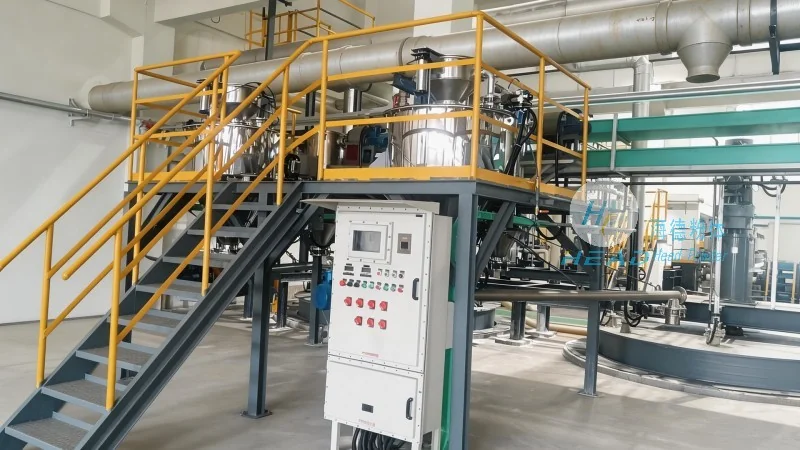
Applications and Industries Utilizing Sand Particle Conveying
Sand particle material conveying is widely used across various industries, including construction, where sand is a primary component in concrete and mortar production. In mining operations, sand is often extracted from quarries and transported to processing facilities for further treatment. Manufacturing industries, such as glass and ceramics production, also rely on sand particle conveying to supply raw materials to production lines. Each industry has unique requirements, such as high throughput or specific particle size distribution, which necessitate tailored conveying systems. HeadPowder’s expertise in material handling engineering enables them to develop solutions that meet the diverse needs of these industries, ensuring consistent and reliable material supply.
Advantages of Advanced Sand Particle Conveying Systems
Modern sand particle conveying systems offer several advantages over traditional methods, contributing to improved operational efficiency and reduced costs. Automated control systems allow for precise regulation of the conveying process, minimizing material loss and energy consumption. Advanced materials and designs enhance the durability and longevity of the equipment, reducing the need for frequent replacements. Additionally, the integration of monitoring and diagnostic tools enables proactive maintenance, preventing unexpected breakdowns and minimizing downtime. These advancements not only improve the performance of the conveying system but also enhance workplace safety by reducing manual handling and exposure to hazardous materials. HeadPowder’s commitment to innovation and quality ensures that their clients benefit from these advantages, achieving optimal results in their material handling operations.