

Operation Process and Working Principle of Copper Oxide Material Conveying Line
HeadPowder, a leading engineering company based in Shandong, China, specializes in the design, manufacturing, and installation of advanced material handling systems. Our expertise lies in creating efficient and reliable conveying solutions for various industrial applications, including the transportation of copper oxide materials. This article provides a detailed overview of the operation process and working principle of a copper oxide material conveying line, highlighting the key components, operational steps, and technical aspects that ensure optimal performance.
Introduction to Copper Oxide Material Conveying Lines
A copper oxide material conveying line is a critical component in industrial processing facilities, designed to transport copper oxide powders or granules from one processing stage to another. These systems are engineered to handle the unique properties of copper oxide, such as its fine particle size, chemical reactivity, and potential dust generation. The primary goal of such a conveying line is to ensure safe, efficient, and consistent material movement while minimizing downtime and operational risks.
Key Components of the Conveying System
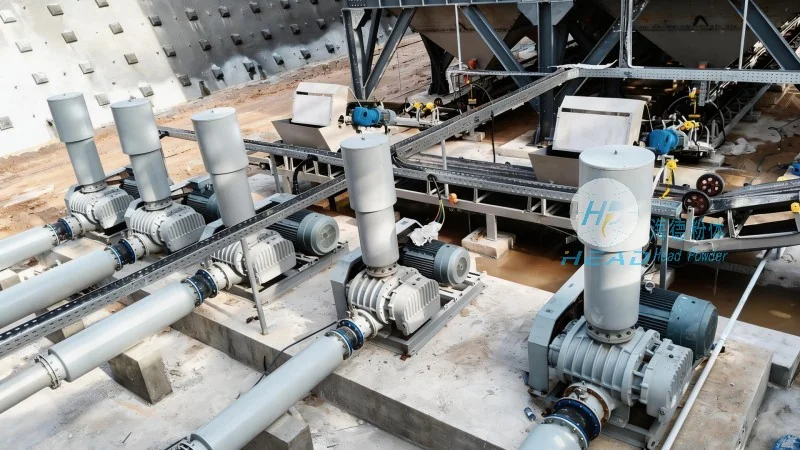
The copper oxide material conveying line typically consists of several interconnected components that work in tandem to achieve seamless material transport. These components include feeders, conveyors (such as screw conveyors, belt conveyors, or pneumatic conveyors), hoppers, control systems, and safety devices. Each component plays a crucial role in the overall operation, ensuring that the material is fed, conveyed, and delivered accurately and safely.
Operation Process of the Conveying Line
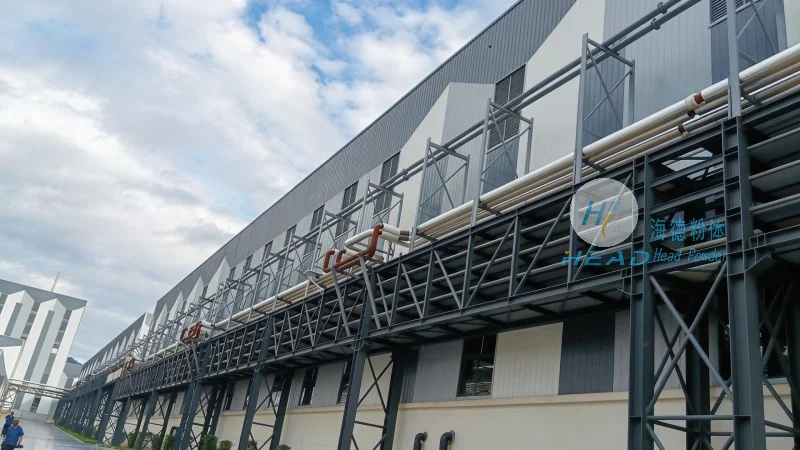
The operation of a copper oxide material conveying line involves a series of systematic steps that ensure the smooth flow of material. The process begins with the material being fed into the system, usually from a storage hopper or a processing unit. The feeder then regulates the flow rate, ensuring a consistent and controlled supply of copper oxide to the conveyor. The conveyor then transports the material through the system, often using mechanical or pneumatic forces to move the material from the inlet to the outlet. At various points along the line, the material may be transferred to different conveyors or processed further, such as through a classifier or a mixer. The final stage involves the material being discharged into a receiving hopper or a processing unit, completing the cycle.
Working Principle of the Conveying System
The working principle of a copper oxide material conveying line is based on the principles of material handling and fluid dynamics. The system utilizes mechanical or pneumatic forces to move the material through the conveying line. For example, a screw conveyor uses rotating screws to push the material forward, while a pneumatic conveyor uses air pressure to transport the material in a sealed pipeline. The control system monitors the flow rate, pressure, and other parameters to ensure that the material is conveyed at the optimal speed and pressure. Safety devices, such as dust collectors and explosion-proof systems, are also integrated into the system to prevent accidents and ensure compliance with safety regulations.
Technical Considerations and Best Practices
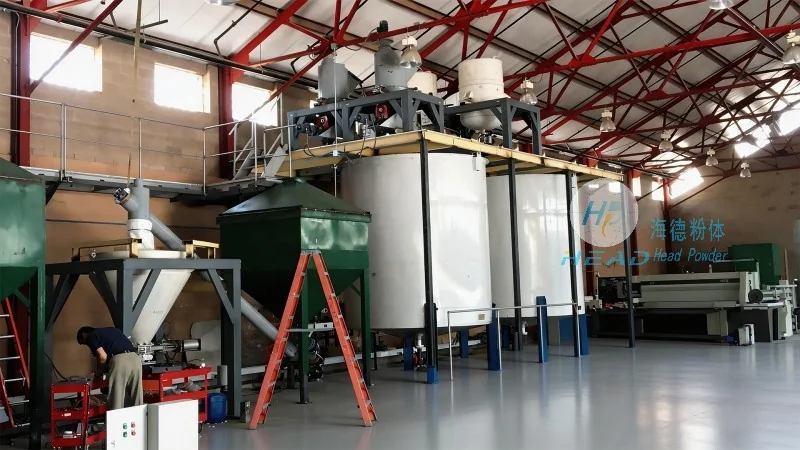
When designing and operating a copper oxide material conveying line, several technical considerations must be taken into account to ensure optimal performance and longevity. These include the selection of appropriate materials for the conveyor components to resist corrosion and wear, the use of proper sealing and dust control measures to prevent material loss and contamination, and the implementation of regular maintenance and inspection schedules to identify and address potential issues before they become major problems. Additionally, the system should be designed to accommodate variations in material properties, such as changes in particle size or moisture content, to maintain consistent performance.
Conclusion
HeadPowder's copper oxide material conveying lines are engineered to provide reliable and efficient material handling solutions for industrial applications. By understanding the operation process and working principle of these systems, users can optimize their material transport processes, reduce downtime, and improve overall operational efficiency. With our expertise in engineering and manufacturing, HeadPowder continues to deliver high-quality conveying systems that meet the unique needs of our clients in the copper oxide processing industry.