

Several Solutions for Pneumatic Conveying of Calcined Lime
For industries dealing with calcined lime, efficient material handling is crucial to maintain production flow and operational efficiency. Pneumatic conveying systems offer a reliable method to transport calcined lime from storage to processing units, and selecting the right system is key to optimizing performance and minimizing downtime. This article explores several effective solutions for the pneumatic conveying of calcined lime, highlighting the technical considerations and practical applications that can enhance material transport in industrial settings.
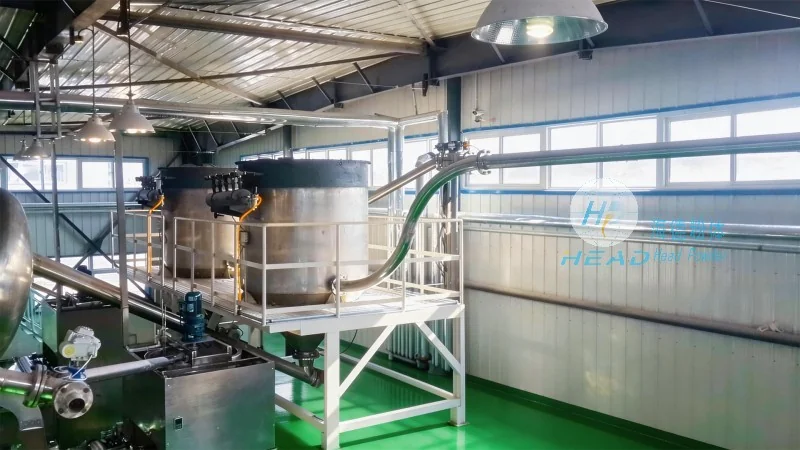
Understanding Pneumatic Conveying Systems
Pneumatic conveying systems use air or gas to move bulk materials like calcined lime through a pipeline. The primary types include positive pressure, negative pressure, and hybrid systems. Each has distinct advantages and is suitable for different operational requirements. Positive pressure systems, for instance, are ideal for long-distance or high-velocity transport, while negative pressure systems are better suited for short distances and dusty environments. Understanding these differences is essential for choosing the most appropriate system for calcined lime handling.
Positive Pressure Pneumatic Conveying
Positive pressure systems operate by blowing air or gas into the conveying line, creating a pressure higher than the ambient air. This method is particularly effective for calcined lime, as it can handle abrasive materials and ensure consistent flow rates. The system typically includes a blower, a hopper, and a pipeline with a discharge point. For calcined lime, which can be fine and dusty, positive pressure systems help maintain material integrity and prevent clogging. The high-pressure air ensures that the material is propelled efficiently through the pipeline, reducing the risk of blockages and improving overall system reliability.
Negative Pressure Pneumatic Conveying
Negative pressure systems, on the other hand, create a vacuum in the conveying line, drawing material from the source. This approach is often used for shorter distances and in environments where dust control is a priority. For calcined lime, negative pressure systems can be effective in reducing dust emissions and maintaining a cleaner working environment. However, they may require more maintenance due to the higher risk of clogging and the need for regular cleaning of the suction side. The system typically includes a vacuum pump, a hopper, and a pipeline leading to the discharge point. The vacuum created pulls the calcined lime particles into the line, ensuring a steady flow.
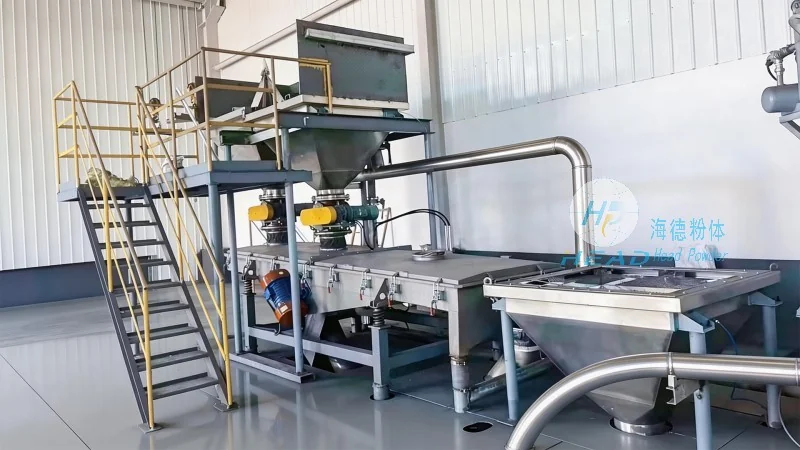
Hybrid Pneumatic Conveying Systems
Hybrid systems combine elements of both positive and negative pressure systems, offering flexibility in material handling. These systems are particularly useful for complex layouts or when transporting calcined lime over varying distances. For example, a hybrid system might use positive pressure for the initial segment of the pipeline and negative pressure for the final segment, optimizing energy use and material transport. This approach allows for better control over the conveying process and can adapt to different operational needs. For calcined lime, hybrid systems can provide a balanced solution, ensuring efficient transport while maintaining material quality and minimizing energy consumption.
Key Considerations for Calcined Lime Conveying
When selecting a pneumatic conveying system for calcined lime, several factors must be considered. The particle size and density of the calcined lime are critical, as they affect the system's capacity and energy requirements. For example, finer particles may require higher air velocities to prevent clogging, while larger particles can be handled with lower velocities. The system's capacity must match the production rate of the calcined lime, ensuring that the conveyor can handle the volume without overloading. Additionally, the distance between the storage and processing units, as well as the layout of the facility, will influence the choice of system. Proper sizing of the blower or vacuum pump is essential to maintain the required air flow and pressure for efficient conveying.
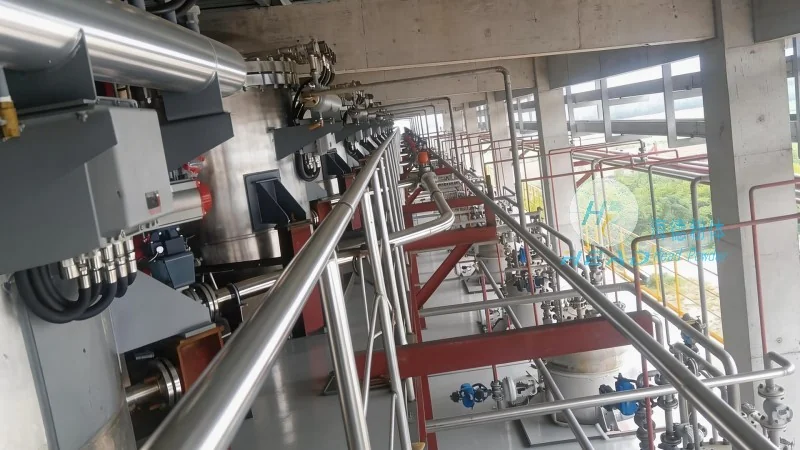
Application in Industrial Settings
In industrial applications, the pneumatic conveying of calcined lime is commonly used in industries such as cement, steel, and chemical manufacturing. For example, in cement production, calcined lime is used as a raw material, and efficient conveying is vital to maintain the production line. The systems are designed to handle the high volumes of calcined lime required by these industries, ensuring a steady supply to the processing units. In steel manufacturing, calcined lime is used for desulfurization and other processes, and the conveying system must be able to handle the material's abrasive nature without causing wear and tear on the equipment. The reliability of the system is crucial in these applications, as any downtime can lead to significant production losses.
Maintenance and Operational Tips
Regular maintenance is essential to ensure the longevity and efficiency of pneumatic conveying systems for calcined lime. This includes cleaning the pipeline and hopper to prevent clogging, checking the blower or vacuum pump for proper operation, and inspecting the material handling components for wear and tear. For calcined lime, which can be fine and dusty, regular cleaning of the suction side is particularly important to maintain the system's performance. Additionally, monitoring the air flow and pressure can help identify potential issues before they become major problems. Proper training of operators on the system's operation and maintenance can also contribute to the system's reliability and efficiency.
Conclusion
Pneumatic conveying offers several effective solutions for the transport of calcined lime, each with its own advantages and considerations. Positive pressure systems are ideal for long-distance and high-velocity transport, while negative pressure systems are better suited for short distances and dust control. Hybrid systems provide flexibility for complex layouts. The key to selecting the right system is understanding the material's properties, the operational requirements, and the facility layout. By considering these factors, industries can choose a pneumatic conveying system that optimizes performance, minimizes downtime, and ensures the efficient handling of calcined lime. As a leading provider in this field, Shandong HeadPowder Engineering Co., Ltd. specializes in designing and implementing customized pneumatic conveying solutions tailored to the specific needs of calcined lime handling, ensuring reliable and efficient material transport for industrial applications.