

Introduction to Wheat Bran Pneumatic Conveying System: Structure and Working Principle
Wheat bran, a byproduct of the milling process, is widely used in various industries such as food, feed, and biofuel production. Efficient and reliable transportation of wheat bran is crucial for maintaining production efficiency and ensuring product quality. The pneumatic conveying system, particularly designed for wheat bran handling, offers a solution that combines advanced technology with practical application. This article provides an overview of the wheat bran pneumatic conveying system, focusing on its structural components and operational principles.
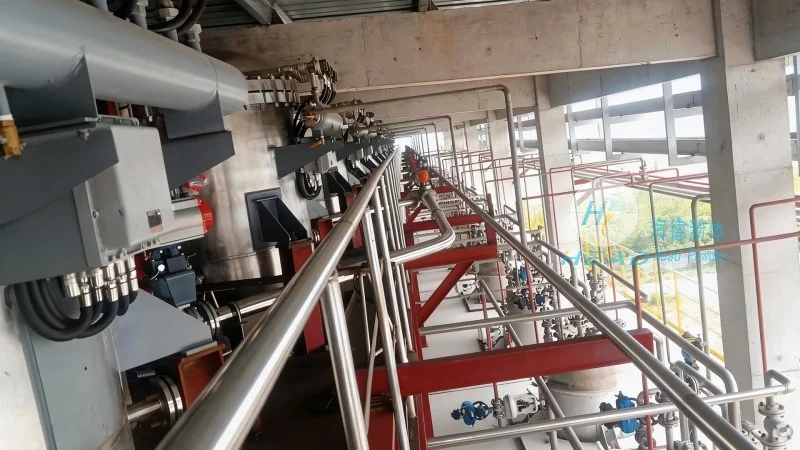
Overview of the Pneumatic Conveying System for Wheat Bran
HeadPowder Engineering Co., Ltd., a leading manufacturer based in Shandong, China, specializes in the design and production of pneumatic conveying equipment tailored for bulk material handling. The wheat bran pneumatic conveying system is a sophisticated piece of machinery that utilizes air pressure to transport wheat bran from one location to another. This system is engineered to handle the unique characteristics of wheat bran, including its light weight, fine particle size, and potential for dust generation. By integrating state-of-the-art components, the system ensures minimal product loss, low maintenance requirements, and high operational reliability.
Key Structural Components of the Wheat Bran Pneumatic Conveying System
The pneumatic conveying system for wheat bran consists of several critical components that work in harmony to achieve efficient material transport. The main components include the hopper, feeder, air compressor, conveying pipeline, and dust collection system. The hopper is designed to store and feed the wheat bran into the system, ensuring a consistent flow of material. The feeder, typically a rotary valve or a screw feeder, regulates the amount of wheat bran entering the pipeline, preventing overloading and maintaining stable air flow. The air compressor generates the necessary pressure to move the wheat bran through the pipeline, with the pressure level adjusted based on the distance and volume of material to be conveyed. The conveying pipeline is made of durable materials, such as stainless steel or PVC, to withstand the abrasive nature of wheat bran and resist corrosion. The pipeline system includes bends, elbows, and straight sections, all designed to minimize pressure loss and ensure smooth material flow. The dust collection system, often equipped with a filter or cyclone separator, captures any airborne particles, maintaining a clean and safe working environment.
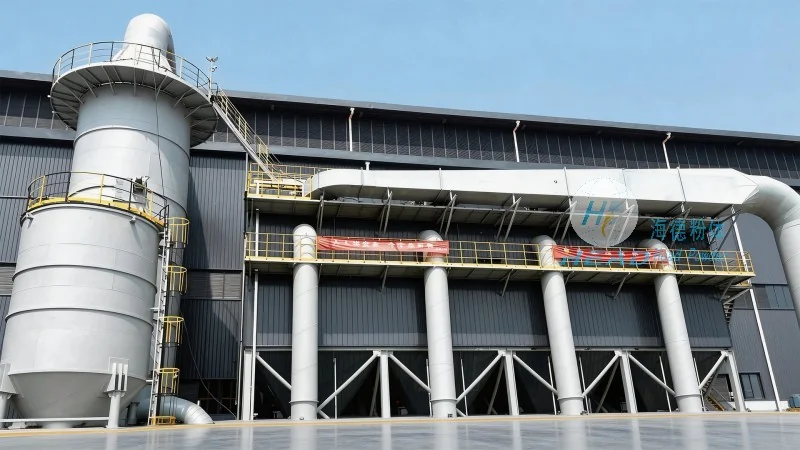
Working Principle of the Wheat Bran Pneumatic Conveying System
The operation of the wheat bran pneumatic conveying system follows a systematic process. Initially, wheat bran is stored in the hopper and fed into the system via the feeder. The air compressor then generates a high-pressure air stream, which is introduced into the conveying pipeline. As the air flows through the pipeline, it entrains the wheat bran particles, forming a dense mixture known as a "slurry" or "conveyed stream." The mixture travels through the pipeline under pressure, moving from the inlet to the outlet. At the receiving end, the system may include a separator or a cyclone to separate the wheat bran from the air stream, allowing the wheat bran to be discharged into a storage bin or processing unit. The air, now filtered of dust, is then released back into the environment or recirculated for energy efficiency. This continuous cycle ensures the efficient and safe transport of wheat bran, minimizing downtime and maximizing productivity.
Advantages of the Wheat Bran Pneumatic Conveying System
The pneumatic conveying system for wheat bran offers several advantages over traditional methods like belt conveyors or bucket elevators. Firstly, it provides a dust-free and hygienic environment, which is essential for food and feed applications. The enclosed system prevents contamination from external sources and maintains product integrity. Secondly, the system is highly flexible, allowing for changes in the conveying route or distance without major modifications. This adaptability makes it suitable for various production layouts and future expansions. Thirdly, the system reduces labor costs and maintenance requirements, as it eliminates the need for manual handling and reduces wear and tear on equipment. Additionally, the system can handle a wide range of particle sizes and moisture contents, making it versatile for different wheat bran qualities. Finally, the energy efficiency of the system, especially with modern air compressors and optimized pipeline designs, contributes to lower operational costs and environmental sustainability.
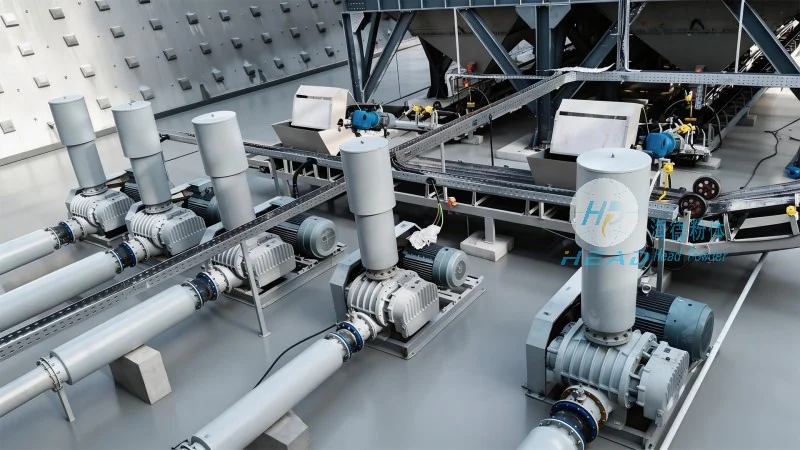
Applications and Industries Served by the Wheat Bran Pneumatic Conveying System
The wheat bran pneumatic conveying system is widely used in multiple industries that rely on wheat bran as a raw material. In the food industry, it is employed in the production of bread, pasta, and other baked goods, where wheat bran is used as a fiber source or ingredient. In the animal feed industry, the system efficiently transports wheat bran to feed mills, ensuring consistent feed quality and reducing waste. The biofuel industry also utilizes the system for processing wheat bran into bioethanol or biogas, where the material needs to be conveyed to reactors or digesters. Furthermore, the system is applied in the pharmaceutical and cosmetic industries, where wheat bran is used as an ingredient in supplements or personal care products. HeadPowder Engineering Co., Ltd. has successfully implemented these systems in various facilities across China and internationally, demonstrating its reliability and effectiveness in different operational conditions.
Conclusion and Future Developments
The wheat bran pneumatic conveying system, as presented by HeadPowder Engineering Co., Ltd., represents a significant advancement in bulk material handling technology. By combining robust structural design with efficient operational principles, the system addresses the unique challenges of wheat bran transportation, ensuring high performance and low maintenance. As industries continue to demand more efficient and sustainable solutions, the pneumatic conveying system remains a preferred choice for handling wheat bran and other similar materials. HeadPowder Engineering Co., Ltd. remains committed to innovation, continuously improving its products to meet the evolving needs of its clients and the industry. With its headquarters in Shandong, China, the company leverages its local expertise and global experience to provide tailored solutions that enhance production efficiency and product quality.