

Key Design Considerations for Limestone Pneumatic Conveying System Solutions
Limestone is a fundamental raw material in numerous industrial sectors, including cement manufacturing, flue gas desulfurization, and chemical processing. The efficient and dependable transport of limestone from storage to processing units is crucial for sustaining production continuity and operational efficiency. Pneumatic conveying systems provide a versatile solution for handling limestone, utilizing air pressure to move material through pipelines. This article outlines key design considerations for limestone pneumatic conveying systems, emphasizing the importance of system integration, material characteristics, and operational performance.
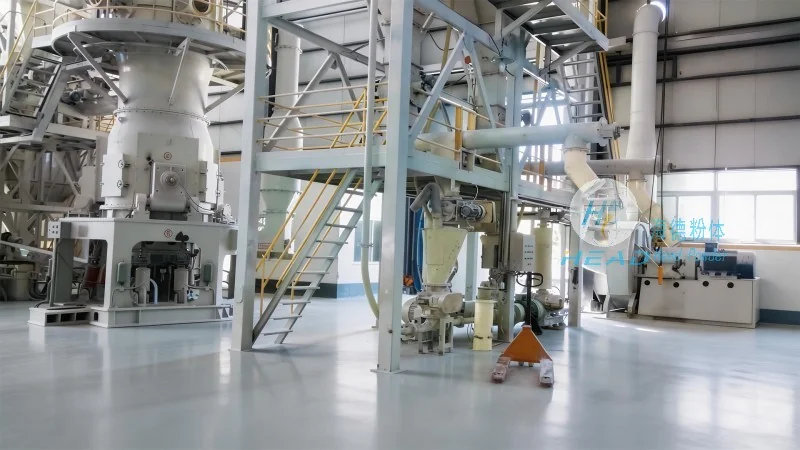
Core Components and Design Principles
A well-designed limestone pneumatic conveying system comprises several critical components, each playing a vital role in overall functionality. The primary components include the material feed hopper, air supply system (blowers or compressors), conveying pipelines, and material separation or discharge equipment. The design must account for specific limestone properties, such as particle size distribution, moisture content, and bulk density, as these factors directly impact system performance. For example, limestone particles are typically coarse and abrasive, requiring robust pipeline materials and appropriate air flow rates to prevent blockages and wear. The system design also considers the distance and elevation changes between the source and destination points, as these affect the required air pressure and energy consumption.
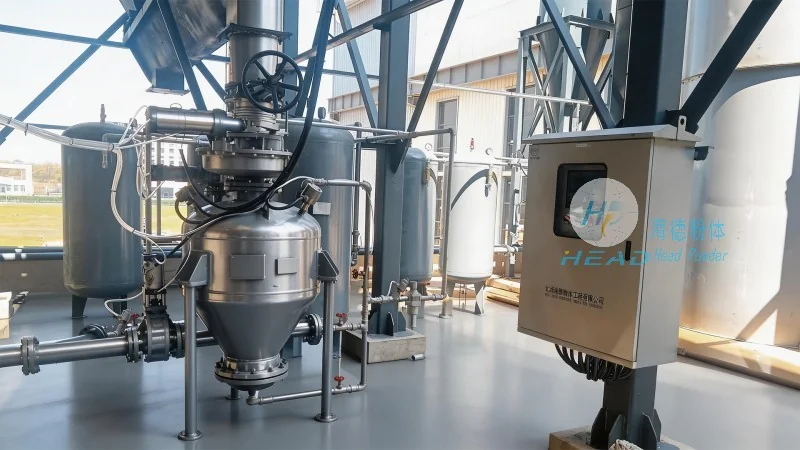
Material Handling Efficiency and System Performance
Efficiency in limestone pneumatic conveying is measured by key performance indicators like throughput capacity, system reliability, and energy consumption. High throughput is achieved by optimizing air velocity and pipeline diameter, ensuring material is conveyed at the optimal velocity to prevent deposition while minimizing air loss. System reliability is enhanced through redundancy in critical components, such as backup air supply units and material feed mechanisms, which can prevent downtime during maintenance or operational issues. Energy consumption is a significant factor in long-term operation, and modern designs incorporate energy-efficient blowers and variable speed drives to reduce operational costs. Additionally, advanced control systems allow for real-time monitoring of system parameters, enabling operators to adjust settings dynamically and maintain optimal performance.
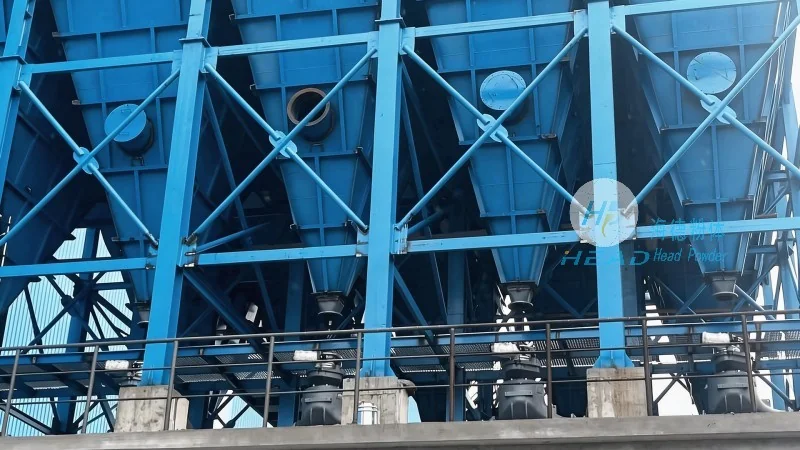
Engineering Solutions by Shandong HeadPowder Engineering Co., Ltd.
Shandong HeadPowder Engineering Co., Ltd., a leading provider of material handling solutions, specializes in designing and implementing limestone pneumatic conveying systems tailored to the unique needs of industrial clients. The company's engineering team leverages extensive experience in material flow dynamics and pneumatic transport technology to develop customized solutions that meet specific production requirements. HeadPowder's approach emphasizes collaboration with clients to understand operational challenges and material characteristics, ensuring the final system design is both efficient and cost-effective. The company's solutions often include integrated components, such as material feeders, air filtration systems, and discharge equipment, optimized for limestone handling. This comprehensive approach helps clients achieve improved material flow, reduced downtime, and lower operational costs.
Addressing Specific Industry Challenges
Industrial applications of limestone often present unique challenges requiring specialized system designs. For instance, in cement plants, limestone is transported over long distances and at high capacities, necessitating high-capacity conveying systems with robust infrastructure. In flue gas desulfurization processes, limestone is used as a sorbent, and the system must handle fine particles while maintaining high purity for effective sulfur removal. HeadPowder addresses these challenges by offering customized solutions that incorporate features like pulse-jet cleaning for pipelines to prevent particulate buildup and advanced filtration systems to preserve material quality. Additionally, the company considers environmental factors, such as noise reduction and dust control, in system design to comply with regulatory requirements and minimize environmental impact.
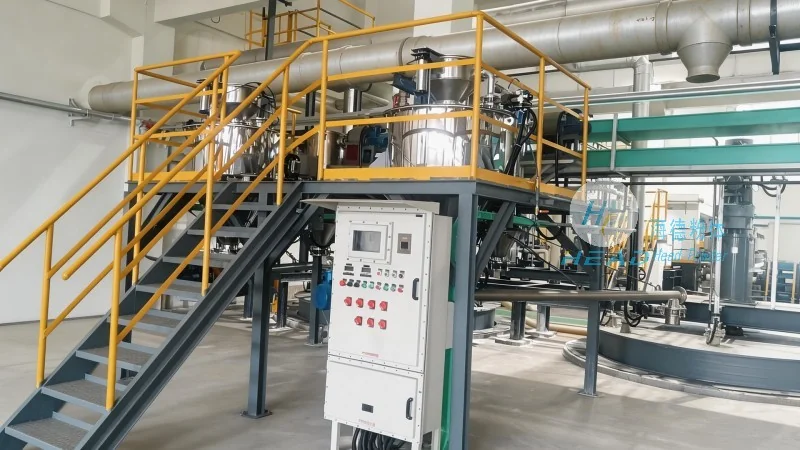
Conclusion
The design of a limestone pneumatic conveying system requires a comprehensive approach that integrates material properties, operational requirements, and engineering expertise. By considering factors such as system components, performance metrics, and industry-specific challenges, engineers can develop efficient and reliable systems that enhance production efficiency and reduce operational costs. Shandong HeadPowder Engineering Co., Ltd. provides specialized engineering solutions that address these needs, leveraging its expertise to deliver customized systems tailored to the unique requirements of industrial clients. For companies seeking to optimize limestone handling in their operations, partnering with a reputable engineering firm like HeadPowder is essential for achieving long-term success and operational excellence.