

Several Solutions for PVA-Formaldehyde Pneumatic Conveying
HeadPowder, a leading enterprise in the field of material handling and conveying systems, specializes in providing innovative solutions for the pneumatic conveying of polyvinyl alcohol (PVA) and its formaldehyde condensation products. With a strong commitment to technological advancement and customer satisfaction, the company has developed several effective approaches to handle PVA-formaldehyde materials efficiently and reliably. This article explores the key solutions offered by HeadPowder for PVA-formaldehyde pneumatic conveying, highlighting the technical aspects, advantages, and practical applications of each method.
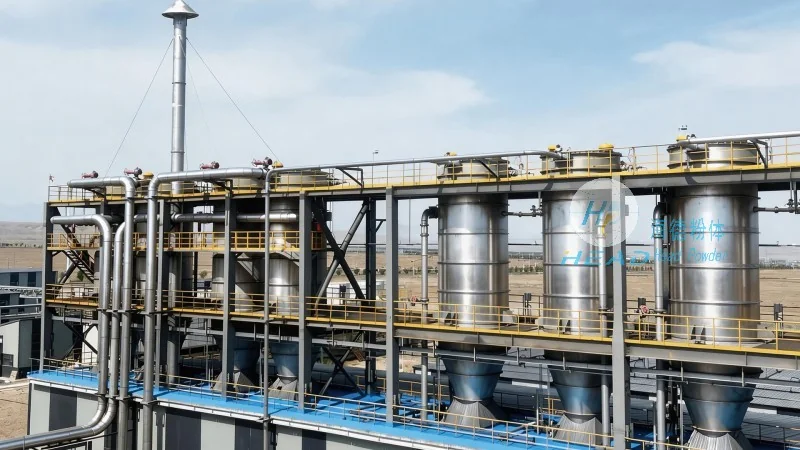
PVA-Formaldehyde Material Characteristics and Conveying Challenges
Polyvinyl alcohol (PVA) and its formaldehyde condensation products, such as PVA-formaldehyde, are widely used in various industries including textiles, paper, and chemical manufacturing. These materials are typically fine powders or granules with specific physical properties that pose unique challenges during pneumatic conveying. For instance, PVA-formaldehyde can exhibit high moisture content, hygroscopic nature, and potential for agglomeration, which may affect the flowability and stability of the material in the conveying system. Additionally, the material's chemical stability and the need to prevent degradation during transport are critical considerations. HeadPowder addresses these challenges through specialized design and engineering of pneumatic conveying systems tailored to the material's characteristics.
Option 1: Positive Pressure Dilute Phase Conveying System
The first solution offered by HeadPowder is a positive pressure dilute phase conveying system, which is suitable for long-distance and high-capacity transportation of PVA-formaldehyde materials. This system operates by injecting air or a carrier gas into the material stream under positive pressure, ensuring consistent flow and preventing material blockages. The dilute phase design minimizes the risk of material deposition and clogging in the pipeline, making it ideal for applications requiring continuous operation over extended distances. HeadPowder's engineers design the system with high-efficiency air compressors, appropriate pipeline diameters, and specialized valves to maintain optimal pressure and flow rates. The positive pressure approach also enhances the system's ability to handle variations in material properties, such as changes in moisture content or particle size, ensuring reliable performance under different operating conditions.
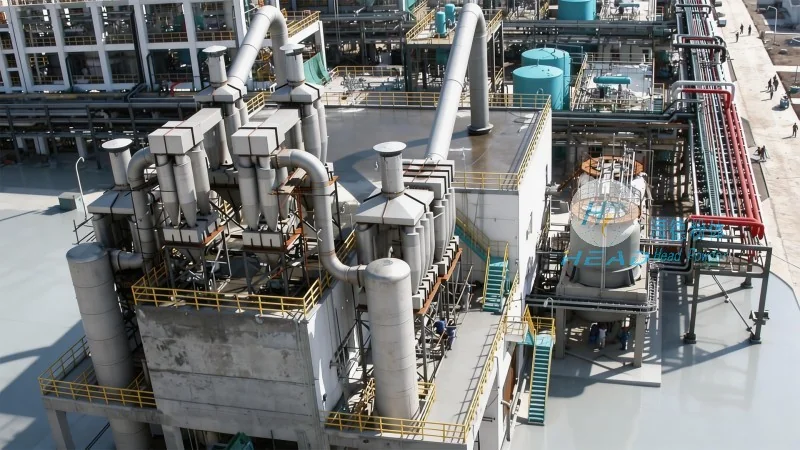
Option 2: Negative Pressure Dense Phase Conveying System
For applications where material degradation or contamination must be minimized, HeadPowder provides a negative pressure dense phase conveying system. This method involves conveying the PVA-formaldehyde material in a dense phase, where the material is carried in a compacted form with minimal air entrainment. The negative pressure system draws material from the source under vacuum, reducing the risk of exposure to air and preventing oxidation or moisture absorption. The dense phase design also helps in controlling the material's velocity and reducing the impact on downstream equipment, making it suitable for sensitive applications. HeadPowder's dense phase systems are equipped with advanced control mechanisms to regulate the vacuum level and material flow, ensuring precise and consistent delivery. This approach is particularly beneficial for transporting PVA-formaldehyde in environments where product purity is paramount, such as in pharmaceutical or food-related industries.
Option 3: Hybrid Conveying System with Vacuum and Pressure Stages
HeadPowder also offers a hybrid conveying system that combines both vacuum and pressure stages to optimize the pneumatic conveying of PVA-formaldehyde. This multi-stage approach allows for flexible handling of varying material quantities and distances. The system typically starts with a vacuum stage to collect the material from the source, followed by a pressure stage to transport it to the destination. This hybrid design provides the benefits of both negative and positive pressure systems, offering enhanced control over material flow and minimizing energy consumption. HeadPowder's engineers customize the hybrid system based on the specific requirements of the application, including the distance between the source and destination, material flow rate, and environmental constraints. The system is equipped with intelligent control panels that monitor pressure, flow, and material level, ensuring safe and efficient operation. This approach is ideal for complex conveying scenarios where a single-stage system may not be sufficient to meet the operational needs.
Technical Advantages and Performance Metrics
Each of the pneumatic conveying solutions provided by HeadPowder offers distinct technical advantages tailored to the unique requirements of PVA-formaldehyde materials. The positive pressure dilute phase system is known for its high capacity and long-distance capability, making it suitable for bulk material handling in industrial settings. The negative pressure dense phase system excels in maintaining product purity and minimizing material degradation, which is crucial for sensitive applications. The hybrid system provides flexibility and efficiency, allowing for optimized performance under varying conditions. HeadPowder's systems are designed to meet key performance metrics, including high conveying efficiency, low energy consumption, and minimal material loss. The company's engineering team conducts thorough testing and analysis to ensure that each system meets the specific needs of the client, resulting in reliable and cost-effective solutions.
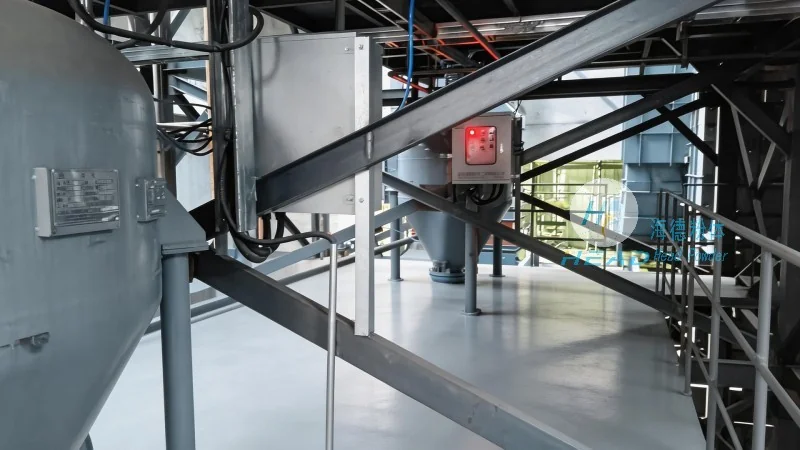
Application Examples and Case Studies
HeadPowder's PVA-formaldehyde pneumatic conveying solutions have been successfully implemented in various industrial applications, demonstrating their effectiveness and reliability. For example, in a textile manufacturing plant, the company's positive pressure dilute phase system was installed to transport PVA-formaldehyde from storage silos to processing units over a distance of 500 meters. The system achieved a conveying capacity of 10 tons per hour with minimal material loss and consistent flow. In another case, a paper mill utilized HeadPowder's negative pressure dense phase system to transport PVA-formaldehyde for coating applications, ensuring product purity and preventing contamination. These case studies highlight the practical benefits of HeadPowder's solutions in real-world industrial environments, showcasing their ability to enhance operational efficiency and product quality.
Conclusion and Future Developments
HeadPowder continues to innovate and improve its pneumatic conveying solutions for PVA-formaldehyde materials, staying at the forefront of the industry. The company's commitment to research and development ensures that its systems remain cutting-edge and capable of meeting the evolving needs of its clients. By combining advanced engineering, specialized materials, and intelligent control systems, HeadPowder provides reliable and efficient solutions for the pneumatic conveying of PVA-formaldehyde. As industries continue to demand higher performance and sustainability in material handling, HeadPowder's solutions offer a robust and adaptable approach to meet these challenges. The company's expertise and experience make it a trusted partner for businesses seeking to optimize their PVA-formaldehyde conveying processes.