

Key Design Considerations for Ammonium Chloride Pneumatic Conveying Systems
Designing an effective pneumatic conveying system for ammonium chloride requires a thorough understanding of the material's characteristics and the system's operational requirements. Ammonium chloride, with its specific density, flowability, and reactivity, demands careful consideration of various design elements to prevent issues such as blockages, corrosion, or inefficient transport. This document serves as a comprehensive guide to the key design considerations for ammonium chloride pneumatic conveying systems, ensuring optimal performance and longevity.
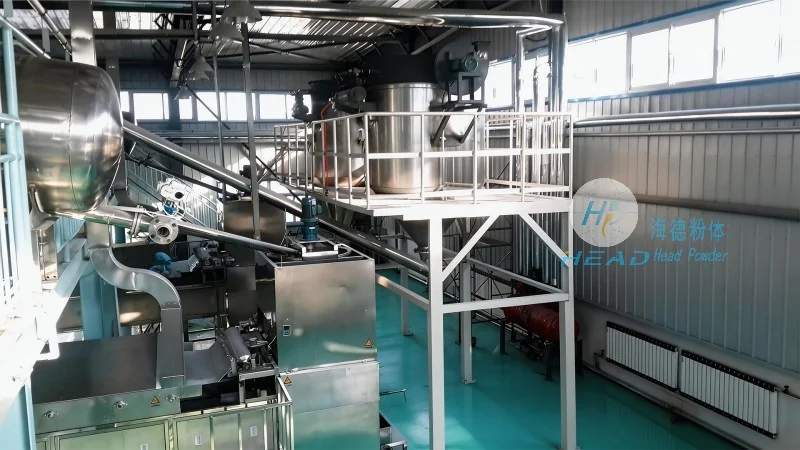
System Type Selection: Dilute Phase vs. Dense Phase
The choice between dilute phase and dense phase pneumatic conveying is a fundamental decision in system design. Dilute phase systems, which use low air velocities and smaller pipe diameters, are suitable for materials with good flowability like ammonium chloride. However, they may require higher air volumes and are more susceptible to pressure drops over long distances. Dense phase systems, on the other hand, operate at higher air pressures and lower velocities, minimizing material degradation and ensuring more consistent flow. For ammonium chloride, a dilute phase system is often preferred due to its lower energy consumption and simpler installation, though dense phase may be necessary for long-distance or high-capacity applications. The selection depends on factors such as the required conveying distance, material throughput, and the need to maintain product integrity.
Pipeline Design and Sizing: Material Properties and Flow Dynamics
Pipeline design is critical to the success of an ammonium chloride pneumatic conveying system. The pipe diameter and material must be selected based on the material's bulk density, particle size distribution, and flow characteristics. Ammonium chloride particles typically range from fine powders to coarse granules, with a bulk density around 1.5 g/cm³. The pipe diameter should be sized to accommodate the material's flow rate while minimizing pressure losses. For example, a 100 mm (4 inch) pipe may be sufficient for moderate throughput, while larger diameters are required for high-capacity systems. The pipeline material must also resist corrosion from ammonium chloride, which can be aggressive in certain conditions. Stainless steel or corrosion-resistant alloys are commonly used to prevent material degradation and ensure system longevity. Additionally, the inclusion of bends, elbows, and other fittings must be minimized to reduce pressure drops and prevent material accumulation or blockages.
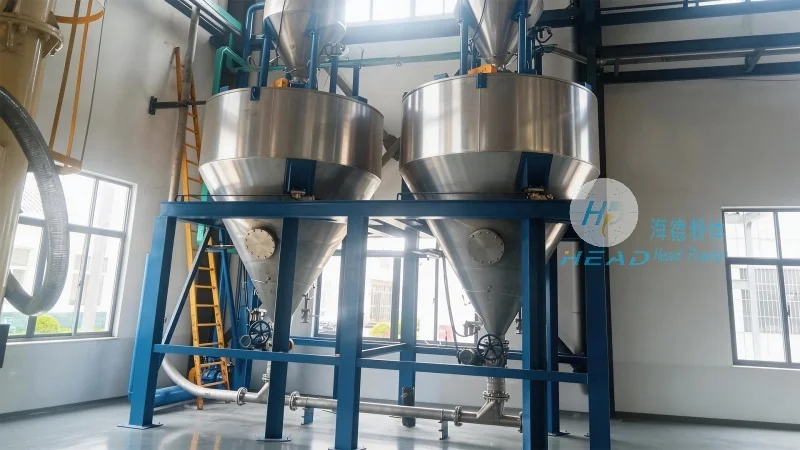
Air Source and Pressure Control: Ensuring Efficient Material Transport
The air source and pressure control system are central to the operation of an ammonium chloride pneumatic conveying system. The air compressor must provide sufficient pressure and volume to move the material through the pipeline. For dilute phase systems, pressures typically range from 0.5 to 1.5 bar, while dense phase systems may require higher pressures (up to 6 bar). The air quality is also crucial, as contaminants can cause blockages or damage to equipment. Filtration systems are essential to remove particulates and moisture from the air, preventing corrosion and material contamination. Pressure control valves and regulators are used to maintain consistent pressure, ensuring stable material flow and preventing over-pressurization or under-pressurization, which can lead to system inefficiencies or equipment failure.
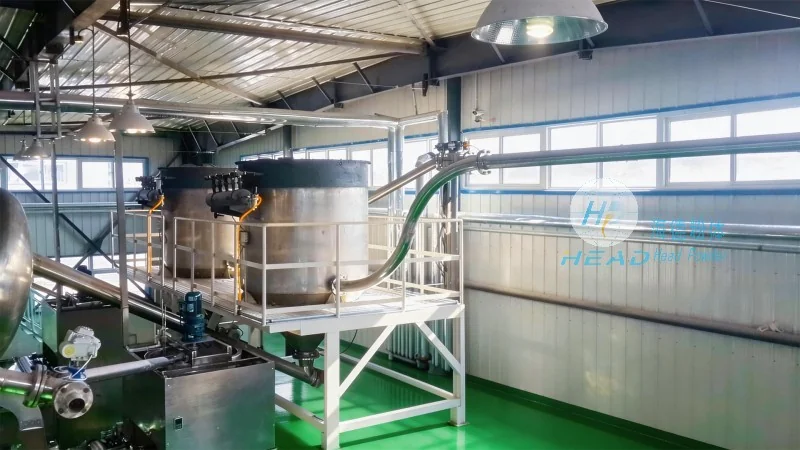
Equipment Selection: Feeders, Separators, and Filters
Key equipment components, including feeders, separators, and filters, play a vital role in the performance of an ammonium chloride pneumatic conveying system. The feeder must accurately control the material flow rate to match the system's requirements. Screw feeders or rotary valves are commonly used for ammonium chloride due to their ability to handle fine powders and maintain consistent flow. The feeder must be designed to prevent material bridging or clogging, which can disrupt the system. The separator, typically a cyclone or bag filter, is used to separate the air from the material at the end of the conveying line. For ammonium chloride, a high-efficiency separator is necessary to prevent dust emissions and ensure compliance with environmental regulations. The filter media must be resistant to the chemical properties of ammonium chloride to avoid degradation and maintain filtration efficiency. Additionally, the system may include a dust collector or scrubber to further reduce emissions and improve air quality.
System Integration and Maintenance: Ensuring Long-Term Reliability
System integration and regular maintenance are essential for the long-term reliability of an ammonium chloride pneumatic conveying system. Proper integration involves coordinating the feeder, pipeline, air source, and separator to ensure smooth operation. Regular maintenance, including cleaning of filters, checking for leaks, and inspecting for corrosion, is critical to prevent system failures and extend equipment life. For ammonium chloride systems, maintenance schedules should be more frequent due to the material's potential to cause corrosion or blockages. The use of corrosion-resistant materials and regular inspections can help mitigate these issues. Additionally, monitoring system performance, such as pressure drops and flow rates, can help identify potential problems early and prevent costly downtime.