

Key Design Considerations for a Ferrous Sulfate Pneumatic Conveying System
When designing a pneumatic conveying system for ferrous sulfate, several critical factors must be addressed to ensure efficiency, reliability, and safety. This article outlines key design considerations that are essential for successful implementation, presented by Shandong HeadPowder Engineering Co., Ltd., a leading provider of material handling solutions based in Shandong, China.
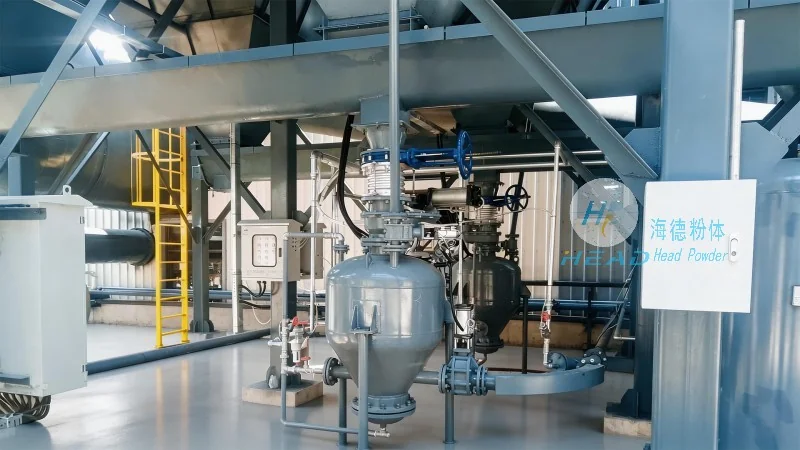
System Overview and Material Characteristics
Ferrous sulfate, also known as iron(II) sulfate, is a common chemical used in water treatment, agriculture, and industrial processes. Its physical properties, such as particle size, moisture content, and bulk density, significantly impact the selection of a pneumatic conveying system. For instance, fine powders may require high-velocity air to maintain suspension, while larger particles might necessitate lower velocities to prevent blockages. Understanding these characteristics is the first step in designing an effective system.
Conveying System Types and Selection Criteria
There are primarily two types of pneumatic conveying systems: dilute-phase and dense-phase. Dilute-phase systems use high velocities (typically 20-30 m/s) to keep particles suspended in the air stream, suitable for short to medium distances. Dense-phase systems, on the other hand, operate at lower velocities (5-15 m/s) with higher air-to-material ratios, ideal for longer distances or when handling abrasive or sensitive materials. The choice between these systems depends on the application requirements, including the distance between the source and destination, the required material flow rate, and the need to minimize product degradation.
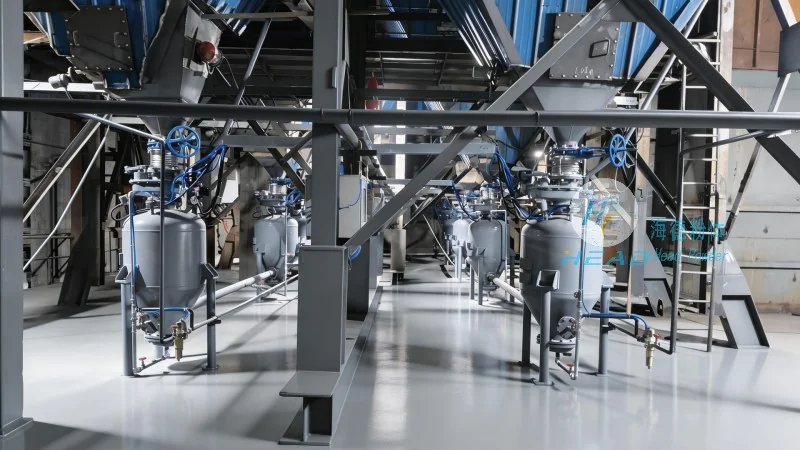
Key Design Parameters for Optimal Performance
Several key parameters must be carefully considered during the design phase. The air velocity must be sufficient to maintain particle suspension without causing excessive pressure drops or energy consumption. The system's pressure drop is another critical factor, as it directly affects the power required to operate the system. Proper sizing of the air compressor, ductwork, and cyclone separators is essential to balance performance and cost. Additionally, the selection of materials for the ductwork and equipment must resist corrosion, as ferrous sulfate is hygroscopic and can cause rust in metal components if not properly protected.
Equipment Selection and Integration
The components of a pneumatic conveying system, including the feeder, air compressor, ductwork, and collection equipment, must be selected and integrated to ensure seamless operation. The feeder is responsible for introducing the material into the air stream; for ferrous sulfate, a rotary valve or a star feeder is commonly used to provide a consistent flow. The air compressor must be capable of delivering the required volume and pressure at a stable temperature to prevent moisture condensation, which can lead to material caking. Cyclone separators are used to separate the material from the air stream, and their design must be optimized for the specific particle size distribution of ferrous sulfate to maximize collection efficiency.
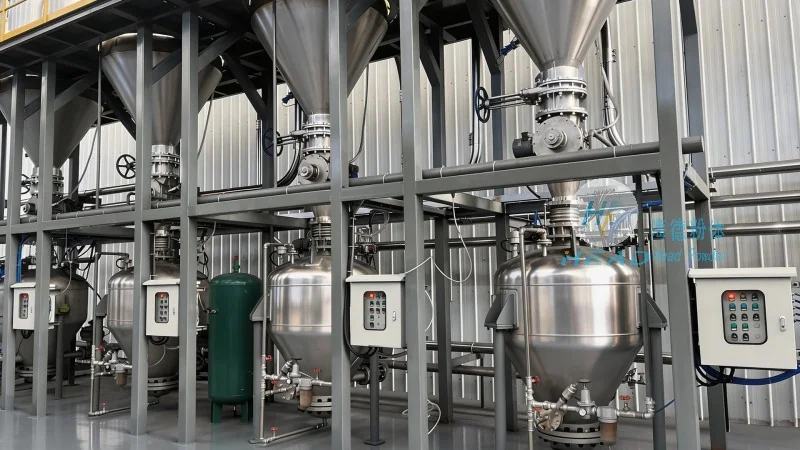
Safety and Maintenance Considerations
Safety is paramount in any industrial material handling system. Proper ventilation and explosion-proof designs are necessary to handle potentially explosive dust clouds. Regular maintenance, including cleaning of ducts and filters, is crucial to prevent blockages and ensure consistent performance. Additionally, monitoring systems for pressure, temperature, and flow rates can help detect issues early and prevent system failures.
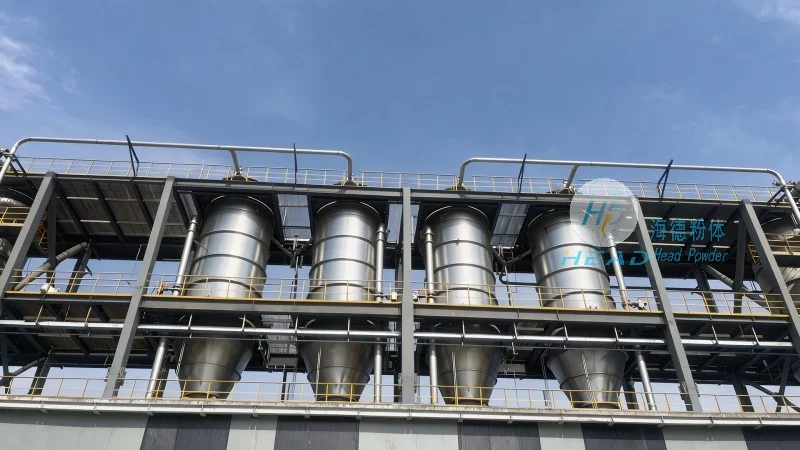
HeadPowder Engineering's Expertise in Ferrous Sulfate Conveying
Shandong HeadPowder Engineering Co., Ltd. specializes in designing and implementing customized pneumatic conveying systems tailored to the unique needs of ferrous sulfate applications. With years of experience in the material handling industry, our team of engineers utilizes advanced design software and industry best practices to ensure that each system is optimized for efficiency, reliability, and safety. We provide comprehensive solutions, from initial system design and equipment selection to installation and after-sales support, ensuring that our clients achieve their operational goals.
Conclusion
Designing a successful pneumatic conveying system for ferrous sulfate requires a thorough understanding of material properties, system types, and operational parameters. By addressing these key design considerations, companies can achieve efficient material transport, minimize downtime, and ensure the safety of their operations. Shandong HeadPowder Engineering Co., Ltd. is committed to providing high-quality, customized solutions that meet the specific requirements of our clients, helping them optimize their processes and improve overall productivity.