

Design Considerations for Silicate Powder Pneumatic Conveying System Solutions
When designing a pneumatic conveying system for silicate powders, several critical factors must be considered to ensure efficient, reliable, and cost-effective operation. Silicate powders, which include materials like silica, kaolin, and other mineral powders, present unique challenges due to their particle size, density, and flow characteristics. A well-designed system not only enhances material handling efficiency but also minimizes downtime and maintenance costs. This article outlines key design considerations for silicate powder pneumatic conveying systems, focusing on the expertise of Shandong HeadPowder Engineering Co., Ltd., a leading provider in the field.
Material Characteristics and Their Impact on System Design
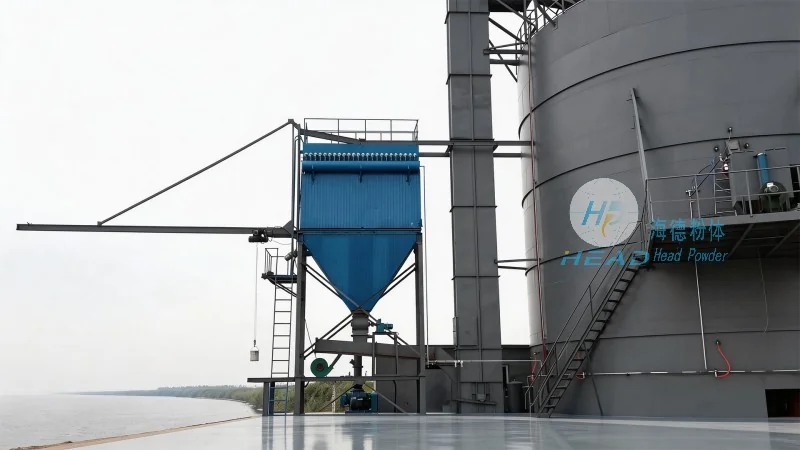
The first step in designing a silicate powder pneumatic conveying system is to thoroughly analyze the material properties. Silicate powders typically have a wide range of particle sizes, from fine dust to coarse granules, which affects air velocity, pressure drop, and system capacity. For example, fine silica powders may require higher air velocities to prevent clogging, while coarser kaolin particles can be handled with lower velocities but may need additional equipment like rotary valves or screw feeders to ensure consistent flow. The density and bulk density of the material also influence the system's capacity and energy consumption. Understanding these characteristics allows engineers to select the appropriate conveying method—such as dilute phase or dense phase—and determine the optimal air flow rate and pressure. HeadPowder, with its extensive experience in handling various silicate materials, provides tailored solutions that address these material-specific challenges.
System Components and Their Role in Efficient Conveying
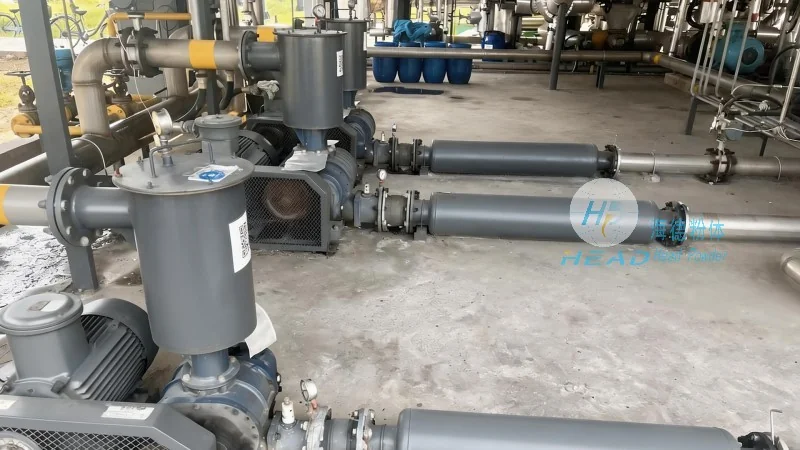
A pneumatic conveying system for silicate powders consists of several key components, each playing a vital role in the overall operation. The primary components include the hopper or storage silo, feeder (e.g., rotary valve or screw feeder), air compressor or blower, conveying line, and receiver or discharge hopper. The hopper must be designed to prevent material bridging and ensure uniform feed to the feeder. The feeder is critical for maintaining a consistent material flow rate, as fluctuations can lead to pressure variations and system instability. The air compressor or blower provides the necessary pressure and air volume to transport the powder through the line. The conveying line, typically made of stainless steel or other corrosion-resistant materials, must be sized to handle the air and powder mixture without excessive pressure drop. The receiver is designed to collect the conveyed material and prevent dust emissions. Each component must be selected and integrated to work in harmony, ensuring the system operates efficiently and safely. HeadPowder engineers carefully evaluate each component based on the specific application requirements, ensuring optimal performance and longevity.
Design Considerations for Dilute Phase vs. Dense Phase Conveying
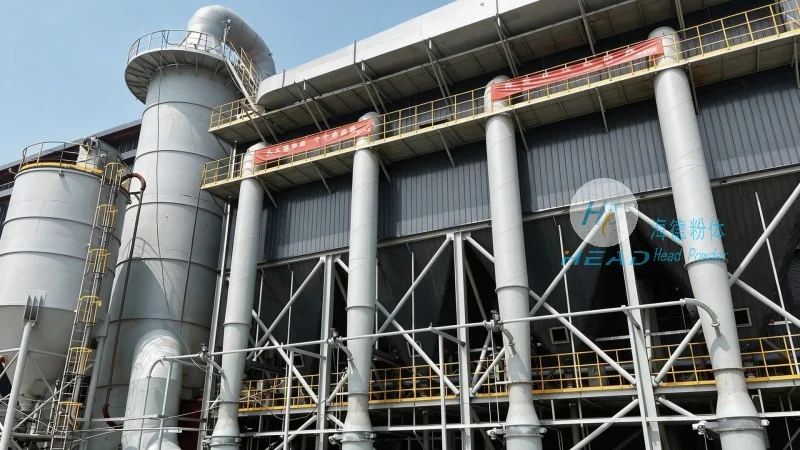
Choosing between dilute phase and dense phase pneumatic conveying is a critical decision in system design. Dilute phase systems use low air velocities and high air-to-material ratios, making them suitable for long-distance conveying of fine powders. These systems are generally more energy-efficient but may require larger ducts and higher air volumes. Dense phase systems, on the other hand, use higher air velocities and lower air-to-material ratios, which are ideal for conveying abrasive or sticky materials and for short-distance conveying. Dense phase systems often use pulse jets or positive displacement blower to maintain a slurry-like flow, reducing wear on equipment and minimizing material degradation. The choice between these systems depends on factors such as material characteristics, conveying distance, and required capacity. For silicate powders, dilute phase systems are commonly used for fine powders like silica, while dense phase systems may be preferred for coarser materials like kaolin or for applications requiring gentle handling. HeadPowder specializes in designing both types of systems, providing clients with the flexibility to choose the most suitable option based on their specific needs.
Pressure Drop and Energy Efficiency in System Design
Pressure drop is a key factor in pneumatic conveying system design, as it directly impacts energy consumption and system performance. The pressure drop in the conveying line is influenced by the air velocity, material properties, and line diameter. Higher air velocities increase pressure drop, which in turn increases energy costs. Therefore, optimizing the air velocity and line size is crucial for energy efficiency. Engineers use formulas such as the Ergun equation to calculate pressure drop and determine the optimal air velocity for a given material and system configuration. Additionally, the use of smooth, well-insulated ducts and minimal bends or fittings can reduce pressure drop and improve energy efficiency. HeadPowder employs advanced computational fluid dynamics (CFD) simulations to model pressure drop and energy consumption, ensuring that the designed system operates at the lowest possible energy cost. This approach not only reduces operational costs for clients but also aligns with sustainable practices in material handling.
Material Handling and Dust Control Measures
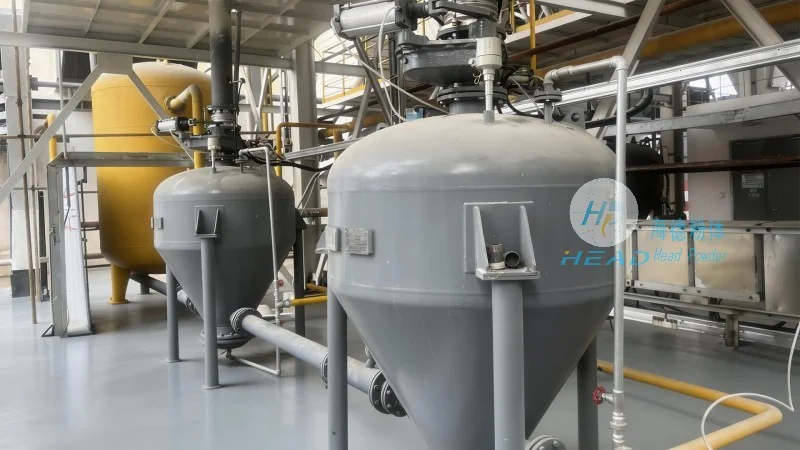
Handling silicate powders requires careful consideration of dust control and material handling to ensure safety and compliance with regulations. Silicate powders are often fine and can generate significant dust during handling, which poses health risks and can lead to environmental issues. Proper dust control measures include using sealed hoppers, feeders, and conveying lines, as well as installing dust collection systems at the receiver and discharge points. The use of explosion-proof equipment is also essential for systems handling potentially combustible dust. Additionally, the design of the system should minimize material degradation, as silicate powders can be sensitive to impact and abrasion. This may involve using smooth, rounded components and avoiding high-velocity impacts. HeadPowder incorporates comprehensive dust control and material handling strategies in its system designs, ensuring that clients meet safety and environmental standards while maintaining the integrity of the material. These measures not only protect workers and the environment but also extend the life of the equipment by reducing wear and tear.