

Design Considerations for Frac Sand Pneumatic Conveying System Solutions
HeadPowder, a leading engineering firm based in Shandong, China, specializes in the design and implementation of advanced frac sand pneumatic conveying systems. These systems are critical for the efficient transport of proppant materials in hydraulic fracturing operations, ensuring optimal performance and reliability in oil and gas extraction processes. This article outlines key design considerations that are essential for developing effective frac sand pneumatic conveying solutions.
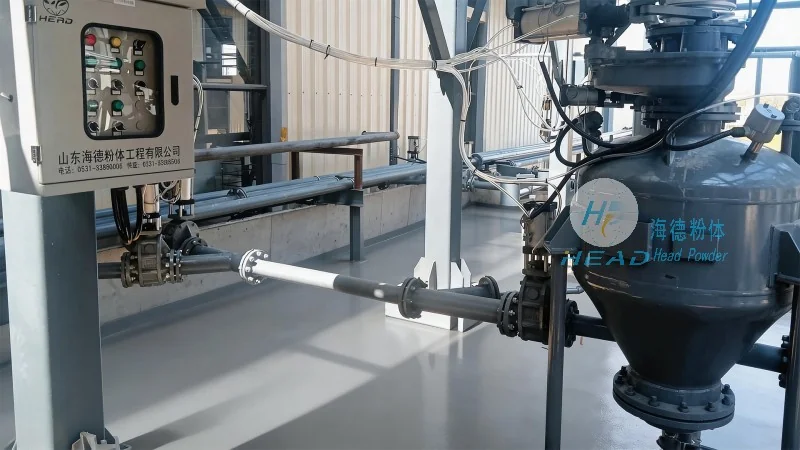
Key Design Considerations for Frac Sand Pneumatic Conveying Systems
The successful design of a frac sand pneumatic conveying system hinges on several critical factors. First, the characteristics of the frac sand itself must be thoroughly analyzed. This includes particle size distribution, density, moisture content, and abrasiveness, as these properties directly impact system performance and component wear. Understanding these material properties allows engineers to select appropriate equipment, such as high-capacity blenders and efficient cyclones, to ensure consistent and reliable material handling.
Second, the system layout and pipeline design are paramount. The configuration of the conveying lines, including vertical and horizontal runs, must be optimized to minimize pressure losses and energy consumption. Properly sized pipelines and elbows, combined with strategic placement of components like day tanks and surge hoppers, help maintain consistent flow rates and prevent blockages. HeadPowder engineers employ computational fluid dynamics (CFD) and other advanced modeling techniques to simulate system behavior and identify potential bottlenecks before construction.
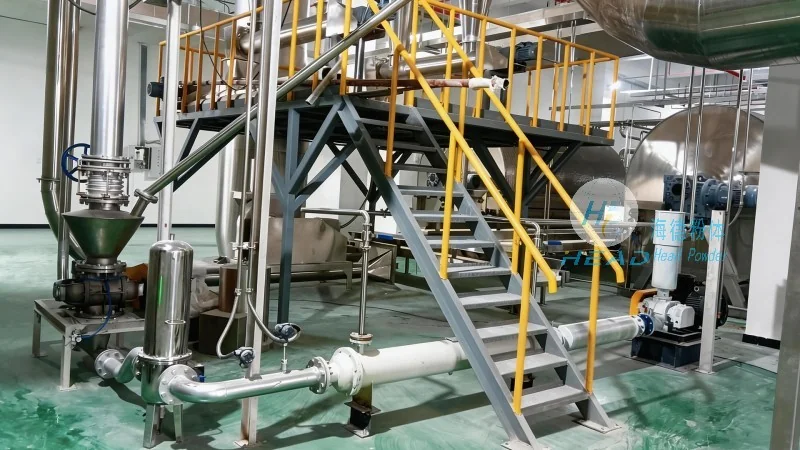
Material Handling Efficiency and System Performance
Efficiency in frac sand pneumatic conveying is directly tied to the system's ability to handle high volumes of proppant while maintaining low operating costs. HeadPowder's solutions focus on maximizing throughput while minimizing energy usage. This is achieved through the selection of high-efficiency blowers and compressors, which are matched to the system's required air volume and pressure. Additionally, the use of advanced control systems allows for real-time monitoring and adjustment of operational parameters, ensuring optimal performance under varying load conditions. The result is a system that delivers consistent material flow with minimal downtime and maintenance.
System Reliability and Maintenance Strategies
Reliability is a top priority in frac sand pneumatic conveying systems, as downtime can lead to significant operational disruptions and increased costs. HeadPowder incorporates robust design features to enhance system longevity. This includes the use of wear-resistant materials for components such as cyclone liners, pipe elbows, and conveyor hoppers, which are exposed to abrasive proppant particles. Regular maintenance schedules and predictive monitoring tools are also integral to maintaining system reliability. By implementing a proactive maintenance strategy, operators can identify and address potential issues before they escalate, reducing the risk of system failures and extending the lifespan of critical equipment.
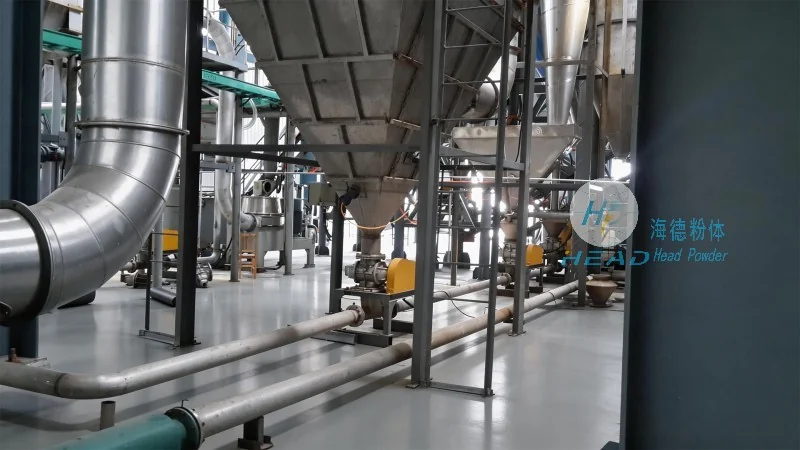
Environmental and Safety Considerations in Pneumatic Conveying
Environmental compliance and workplace safety are critical aspects of frac sand pneumatic conveying system design. HeadPowder ensures that its systems adhere to relevant environmental regulations, such as emission control and dust management. This is achieved through the integration of dust collection systems and filtration units that capture and neutralize airborne particles. Additionally, safety features like emergency shut-off valves, pressure relief devices, and proper ventilation are incorporated to protect personnel and equipment. By prioritizing environmental and safety considerations, HeadPowder delivers solutions that not only meet operational needs but also contribute to sustainable and responsible industrial practices.
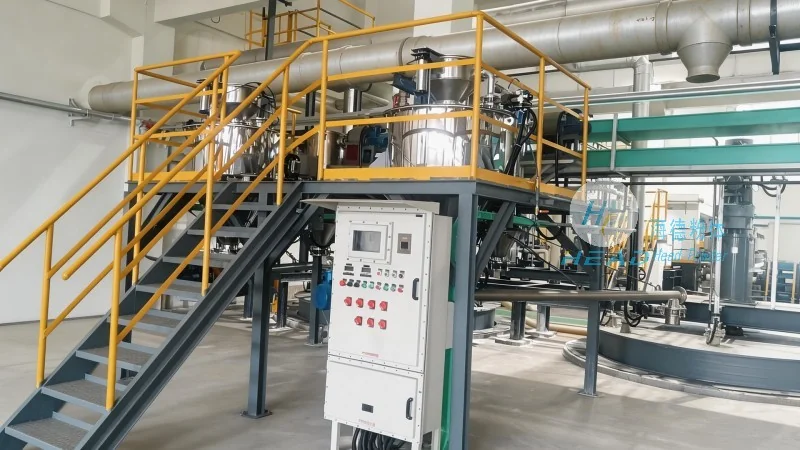
Customization and Scalability of Pneumatic Conveying Solutions
Every frac sand operation has unique requirements, and HeadPowder recognizes the importance of customization in pneumatic conveying system design. Whether the application involves small-scale or large-scale proppant transport, HeadPowder's engineering team works closely with clients to develop tailored solutions. The systems can be scaled to accommodate varying production rates and operational needs, ensuring flexibility and adaptability. Furthermore, HeadPowder offers modular designs that allow for easy expansion or integration with existing infrastructure. This scalability ensures that the system can grow with the client's business, providing long-term value and investment protection.
Conclusion: Tailored Solutions for Frac Sand Transport
Designing an effective frac sand pneumatic conveying system requires a comprehensive approach that considers material properties, system layout, performance efficiency, reliability, environmental impact, and scalability. HeadPowder, with its expertise and commitment to innovation, provides comprehensive solutions that address these critical factors. By focusing on the unique needs of each client, HeadPowder delivers high-performance pneumatic conveying systems that enhance operational efficiency, reduce costs, and ensure long-term reliability. For companies seeking reliable and efficient frac sand transport solutions, HeadPowder stands as a trusted partner in engineering excellence.