

Key Design Points for the Bead Sand Pneumatic Conveying System Solution
For industrial applications requiring efficient material handling, the bead sand pneumatic conveying system stands out as a critical solution. This system is designed to transport bead sand—a type of fine, spherical material—through an air-based system, offering advantages such as reduced dust, lower maintenance, and enhanced safety compared to traditional methods. The design of such a system involves several key considerations that ensure optimal performance and reliability.
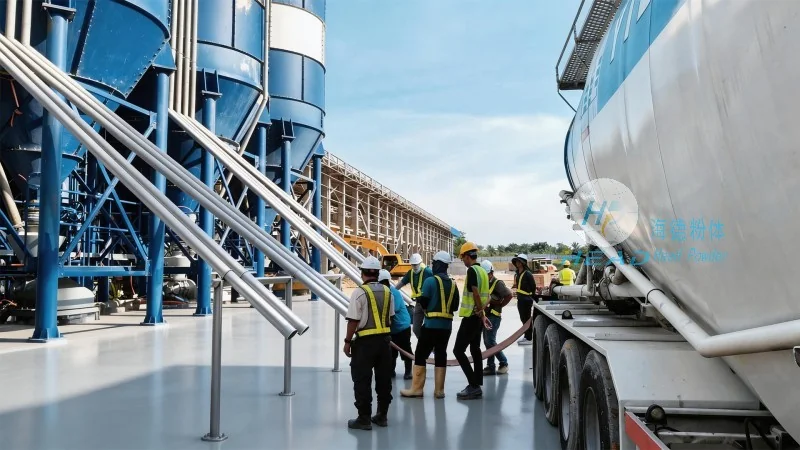
Understanding the Core Components of a Bead Sand Pneumatic Conveying System
The bead sand pneumatic conveying system typically consists of several interconnected components that work in tandem to achieve effective material transport. These include the hopper for material storage, the air compressor or blower to generate the necessary airflow, the conveying pipeline, and the discharge unit. Each component plays a vital role in the overall operation, and their proper integration is essential for system efficiency. The hopper is designed to hold the bead sand and feed it into the system at a controlled rate, preventing overfilling and ensuring a steady supply. The air compressor or blower provides the pressure and airflow needed to move the material through the pipeline. The conveying pipeline is usually made of durable materials like stainless steel or PVC to withstand the abrasive nature of bead sand and the pressure of the air. The discharge unit collects the material at the end of the pipeline and directs it to the processing or storage area.
Key Design Considerations for Optimal Performance
When designing a bead sand pneumatic conveying system, several factors must be carefully evaluated to ensure the system meets operational requirements and delivers consistent performance. These considerations include material properties, system capacity, pressure requirements, and environmental factors. The material properties of bead sand, such as its density, particle size, and moisture content, directly impact the system's design. For instance, finer bead sand may require higher air velocities to prevent clogging, while larger particles might need adjustments to the hopper and pipeline dimensions. The system's capacity must be matched to the production rate of the bead sand, ensuring that the pipeline can handle the volume without causing pressure drops or material buildup. Pressure requirements are determined by the distance the material needs to travel and the height of the discharge point, as higher elevations require more pressure to overcome gravity.
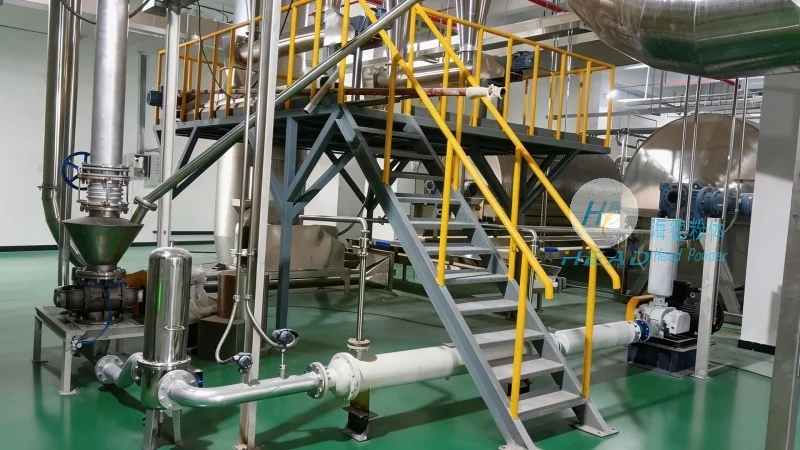
System Capacity and Flow Rate Management
Another critical aspect of system design is determining the appropriate capacity and flow rate. The system must be capable of handling the required volume of bead sand while maintaining stable airflow and preventing pressure drops. This involves calculating the required air volume and pressure based on the material's characteristics and the distance the material needs to travel. Proper flow rate management ensures that the system operates within its optimal range, avoiding issues like excessive pressure or insufficient transport capacity. For example, if the flow rate is too low, the material may not be fully suspended in the air, leading to clogging. Conversely, if the flow rate is too high, it can cause excessive wear on the pipeline and increase energy consumption. The design process often involves simulations and testing to find the optimal balance between flow rate and pressure.
Material Handling and Safety Features
Ensuring safe and efficient material handling is paramount in pneumatic conveying systems. The design incorporates safety features such as pressure relief valves, dust collection systems, and proper ventilation to minimize the risk of accidents and environmental contamination. The hopper and pipeline are often equipped with anti-static measures to prevent sparks and explosions, which is particularly important when handling bead sand that may be prone to static buildup. Additionally, the system may include monitoring devices to track pressure, flow, and temperature, allowing for real-time adjustments and maintenance. These features help maintain a safe working environment and comply with industrial safety regulations. The dust collection system is crucial for controlling airborne particles, as bead sand can create significant dust when handled improperly. This system typically includes filters and a collection bin to capture and store the dust, preventing it from being released into the air or the facility.
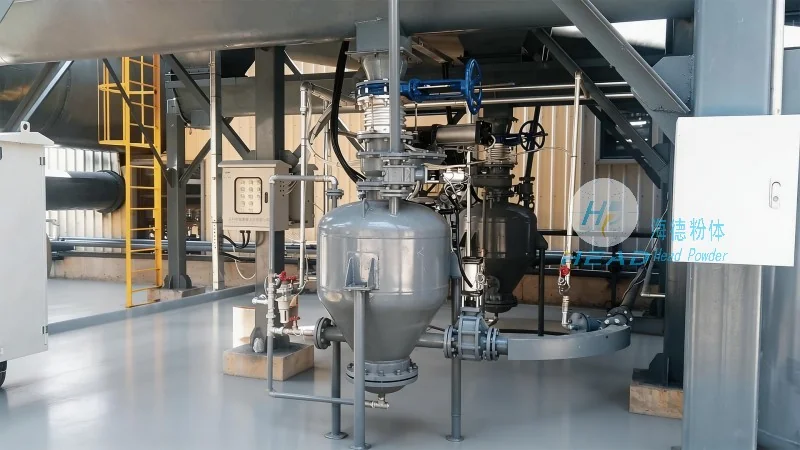
Integration with Existing Infrastructure
For many industrial facilities, integrating a new pneumatic conveying system with existing infrastructure is necessary. This requires careful planning to ensure compatibility with current equipment, such as storage silos, processing units, and discharge points. The design must consider the layout of the facility, the location of the air compressor, and the routing of the conveying pipeline to minimize disruption to ongoing operations. Proper integration also ensures that the system can be easily expanded or modified in the future as production needs change. For example, if the production capacity increases, the system can be upgraded by adding additional components or increasing the capacity of existing parts. The design should allow for flexibility to accommodate future changes without requiring a complete overhaul of the system.
Maintenance and Long-Term Reliability
Long-term reliability and ease of maintenance are key considerations in system design. Components such as the air compressor, filters, and pipeline are designed to withstand the demands of bead sand transport, with features like corrosion-resistant materials and easy access for maintenance. Regular maintenance schedules are recommended to ensure the system operates at peak efficiency and to extend its service life. This includes checking and replacing filters, inspecting the pipeline for wear or damage, and verifying the performance of the air compressor. By incorporating durable materials and thoughtful design, the system can provide consistent performance over many years, reducing downtime and operational costs. The use of high-quality materials and components also helps minimize the risk of failures, ensuring that the system remains reliable even under heavy use.