

Design Considerations for Bauxite Pneumatic Conveying System Solutions
When designing a bauxite pneumatic conveying system, several critical factors must be considered to ensure optimal performance, efficiency, and reliability. The system's design directly impacts the overall operational costs and the longevity of the equipment. This article outlines key design considerations for bauxite pneumatic conveying systems, focusing on the technical aspects and practical solutions that ensure successful implementation.
Company Overview: HeadPowder Engineering
HeadPowder, a leading engineering firm based in Shandong, China, specializes in the design and implementation of advanced material handling systems. With years of experience in the industry, HeadPowder provides comprehensive solutions tailored to the unique needs of bauxite processing facilities. The company's expertise in pneumatic conveying technology ensures that clients receive systems that are not only efficient but also cost-effective and durable.
Key Design Considerations for Bauxite Pneumatic Conveying
The design of a bauxite pneumatic conveying system involves a detailed analysis of several parameters, including material properties, system capacity, and operational environment. Bauxite, being a bulk material with specific characteristics such as particle size, density, and moisture content, requires specialized handling to prevent blockages and ensure smooth flow. The selection of the appropriate conveying method—whether positive or negative pressure—depends on these material properties and the distance and elevation changes involved.
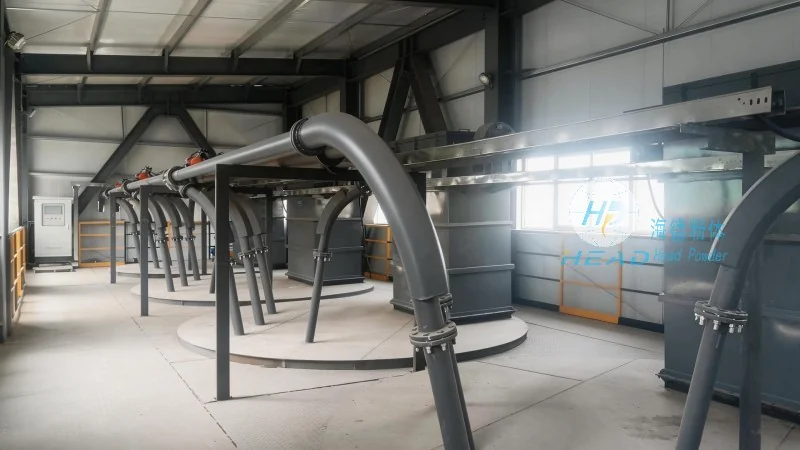
One of the primary design considerations is the system's capacity. The required throughput, measured in tons per hour, dictates the size of the conveying line, the diameter of the pipes, and the power of the blower or fan. For bauxite applications, a higher capacity often necessitates larger diameter pipes and more powerful air movers to maintain consistent material flow. Additionally, the system's layout must account for the physical constraints of the facility, such as available space and existing infrastructure, to ensure seamless integration.
Material Handling and Equipment Selection
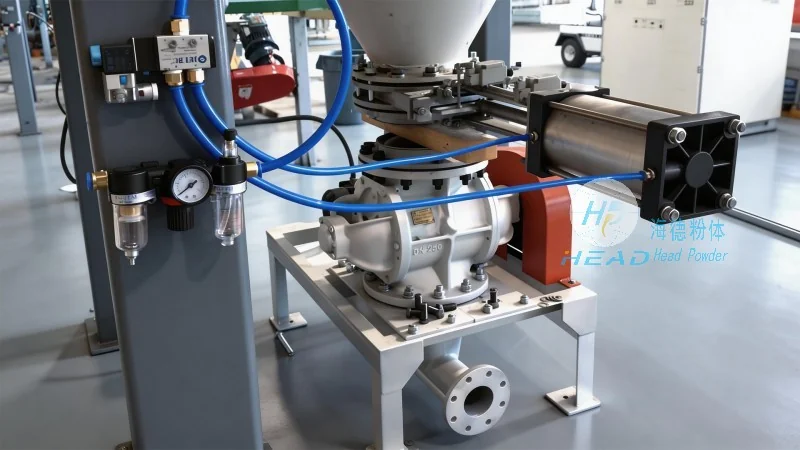
Equipment selection is a critical component of bauxite pneumatic conveying system design. The choice of components, such as the hopper, feeder, and blower, directly affects the system's performance and maintenance requirements. The hopper must be designed to minimize material bridging and ensure uniform feeding, which is essential for consistent air flow and material transport. A well-designed feeder, such as a rotary valve or a screw feeder, controls the material discharge rate, preventing overloading and maintaining stable system operation.
The blower or fan is the heart of the pneumatic conveying system, responsible for generating the necessary air pressure to move the bauxite. The selection of the blower depends on the system's pressure requirements and the material's characteristics. High-pressure blowers are typically used for longer conveying distances or when handling materials with higher resistance to flow. Conversely, low-pressure systems are suitable for shorter distances and lighter materials. The blower's efficiency and power consumption are also important factors, as they directly impact the system's operational costs.
System Efficiency and Maintenance
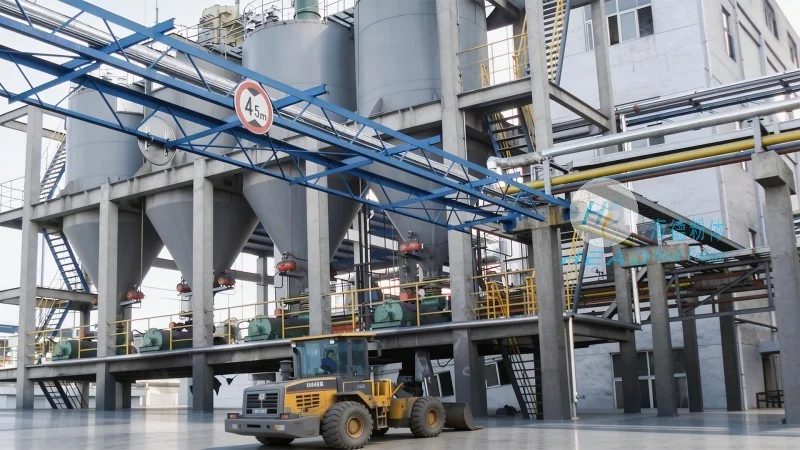
Efficiency is a key metric in bauxite pneumatic conveying system design. An efficient system minimizes energy consumption while maximizing material throughput. This is achieved through proper system sizing, optimal air velocity, and minimal pressure losses. Pressure losses occur due to friction in the pipes, bends, and fittings, and must be minimized by using smooth pipe surfaces and appropriate fittings. Regular maintenance is also crucial to maintain system efficiency. Components such as filters, cyclones, and check valves must be regularly inspected and replaced to prevent system downtime and ensure consistent performance.
Conclusion and Company Services
Designing a bauxite pneumatic conveying system requires a comprehensive approach that considers material properties, system capacity, equipment selection, and operational efficiency. By addressing these key factors, facilities can achieve reliable and cost-effective material handling solutions. HeadPowder Engineering, with its expertise in pneumatic conveying technology, provides tailored solutions that meet the specific needs of bauxite processing plants. The company's commitment to quality and customer satisfaction ensures that clients receive systems that are not only efficient but also durable and easy to maintain.