

Design Considerations for Lithium-Ion Battery Pneumatic Conveying System Solutions
When designing a pneumatic conveying system for lithium-ion batteries, several critical factors must be considered to ensure efficiency, safety, and reliability. The process involves selecting appropriate equipment, material handling strategies, and system configurations tailored to the specific characteristics of lithium-ion battery components. This article outlines key design considerations that are essential for successful implementation of such systems.
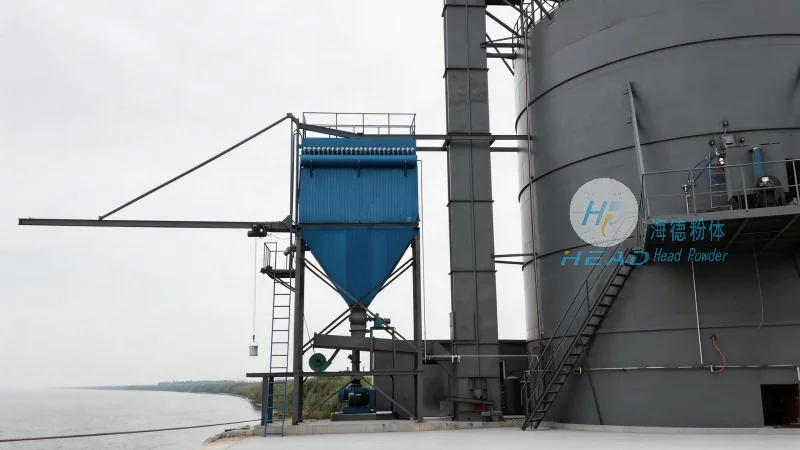
Key Design Considerations for Pneumatic Conveying Systems
One of the primary considerations is the material properties of lithium-ion batteries, which include their density, particle size distribution, and potential for static electricity. These factors directly impact the choice of conveying technology—such as pressure or vacuum systems—and the selection of appropriate air flow rates and pressure levels. For example, fine powders or granules may require high-pressure systems to maintain flow, while larger components might benefit from low-pressure or vacuum-based solutions. Additionally, the risk of static discharge must be mitigated through proper grounding and anti-static measures to prevent damage to the battery cells or system components.
System Components and Equipment Selection
The core components of a pneumatic conveying system for lithium-ion batteries typically include a hopper for material storage, a feeder to control the flow rate, a conveying line (either horizontal or vertical), and a receiver for material discharge. The choice of equipment depends on the system's capacity, the type of battery components being handled, and the required conveying distance. For instance, rotary feeders are commonly used for bulk materials due to their ability to maintain consistent flow rates, while pneumatic valves and check valves are essential for controlling air flow and preventing backflow. The material of construction for these components is also critical, as lithium-ion batteries may contain corrosive or abrasive materials that require stainless steel or specialized coatings to ensure durability and prevent contamination.
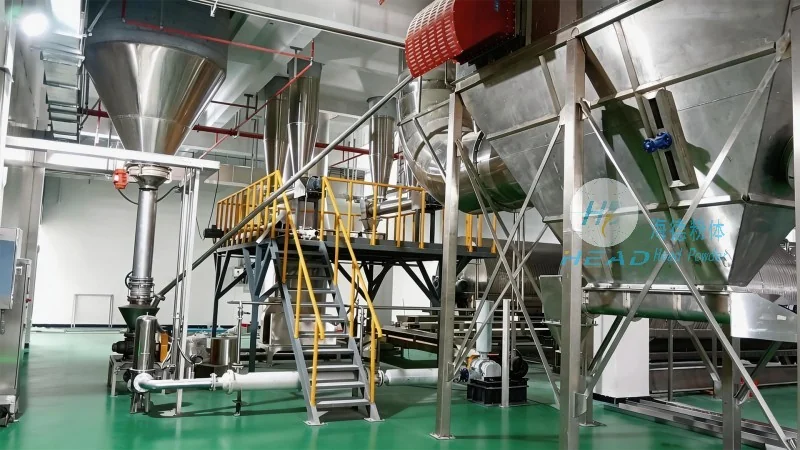
Material Handling Strategies and Flow Optimization
Optimizing the flow of lithium-ion battery components in a pneumatic conveying system involves balancing air velocity, pressure, and material feed rate. High air velocities can lead to excessive wear on the conveying line and increased energy consumption, while low velocities may cause material settling or blockages. Proper flow optimization ensures that the system operates at peak efficiency, minimizing energy costs and maximizing throughput. This often requires iterative testing and adjustments to the system parameters, such as adjusting the air pressure or using air curtains to maintain material suspension. Additionally, the use of pulse or rotary air valves can help maintain consistent flow and prevent material buildup in the conveying line.
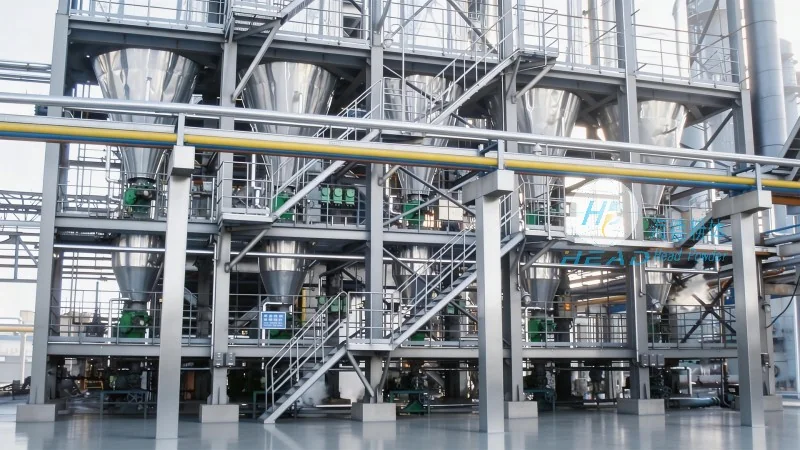
Safety and Compliance Considerations
Given the sensitive nature of lithium-ion batteries, safety is a paramount concern in system design. This includes implementing measures to prevent overheating, electrical hazards, and material contamination. The system must comply with relevant industry standards and regulations, such as those related to explosion-proof designs for handling flammable materials. Proper ventilation and fire suppression systems are also essential to mitigate risks associated with battery handling. Furthermore, the design should incorporate features like emergency shut-off valves and monitoring systems to detect and respond to any anomalies in the system operation, ensuring the safety of personnel and equipment.
HeadPowder Engineering: Expertise in Lithium-Ion Battery Conveying Solutions
Shandong HeadPowder Engineering Co., Ltd. specializes in providing customized pneumatic conveying solutions for lithium-ion battery manufacturing and processing. With years of experience in the industry, HeadPowder understands the unique challenges associated with handling lithium-ion battery components and offers tailored system designs that address specific client needs. The company's team of engineers leverages advanced engineering principles and industry best practices to develop efficient, reliable, and safe conveying systems. By integrating the latest technologies and materials, HeadPowder ensures that its solutions meet the highest standards of performance and durability. Clients can rely on HeadPowder's expertise to optimize their material handling processes, reduce operational costs, and enhance overall productivity in lithium-ion battery production.