

Key Design Considerations for Cement Additive Pneumatic Conveying System Solutions
For industrial applications involving the efficient and reliable transport of cement additives, the design of a pneumatic conveying system is a critical factor in ensuring operational efficiency and product quality. This article outlines key design considerations for such systems, emphasizing the expertise of Shandong HeadPowder Engineering Co., Ltd., a leading provider in the field.
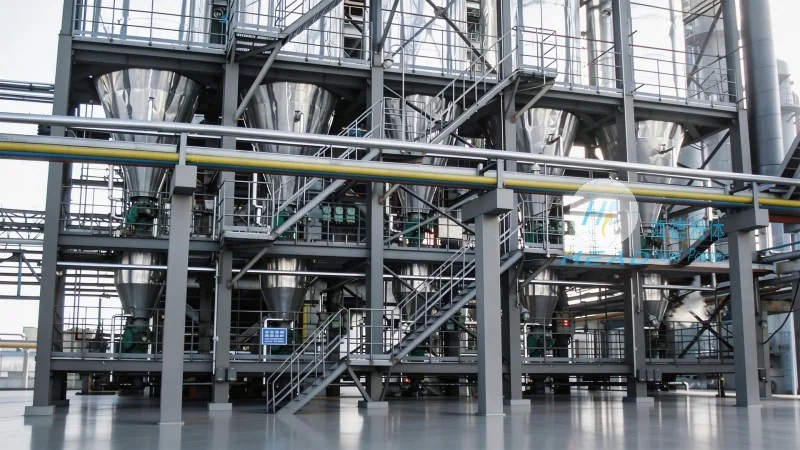
Understanding Pneumatic Conveying Systems for Cement Additives
Pneumatic conveying systems utilize air or other gases to transport bulk materials like cement additives through pipelines. These systems are widely adopted in the cement industry due to their ability to handle various particle sizes, moisture content, and flow rates while minimizing material degradation. The core components of a typical system include a feeder, a conveying line, a separator, and a receiver. Each component must be carefully selected and integrated to achieve optimal performance.
Key Design Considerations for System Efficiency
Efficiency in a cement additive pneumatic conveying system is determined by several factors, including the system's pressure, flow rate, and material handling capacity. The choice of conveying method—whether positive or negative pressure—depends on the specific characteristics of the additive and the distance it needs to travel. Positive pressure systems, which force material through the pipeline using a blower, are suitable for long-distance transport and can handle abrasive or corrosive materials. Negative pressure systems, on the other hand, use a vacuum to draw material into the system, which is ideal for short distances and low dust emissions.
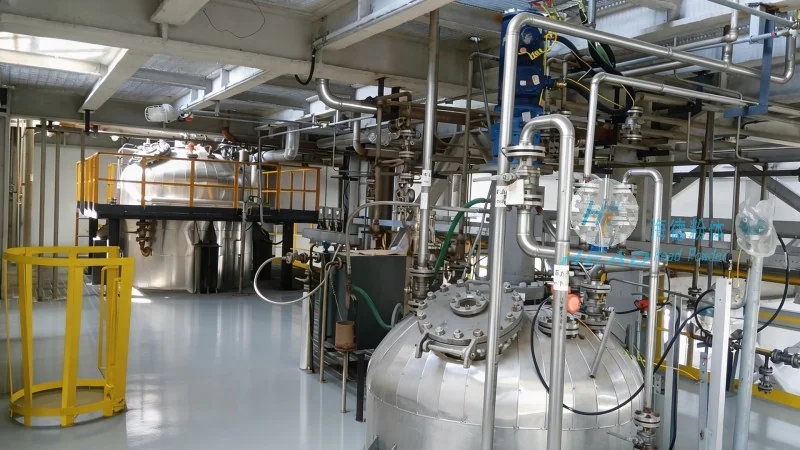
Material Handling and Equipment Selection
The selection of equipment such as feeders, blowers, and separators is crucial for the system's performance. Feeders must be capable of handling the bulk density and flow characteristics of the cement additive without causing blockages or uneven feeding. Common feeder types include rotary valves, screw feeders, and vibratory feeders, each with its own advantages and limitations. The blower or vacuum pump must be matched to the system's required pressure and flow rate, ensuring sufficient power to overcome pipeline resistance and maintain consistent material transport. Separators are essential for removing air from the material stream and preventing dust accumulation in downstream equipment, thereby protecting machinery and maintaining product purity.
System Integration and Process Optimization
Effective system integration involves coordinating the various components to ensure smooth material flow and minimize downtime. This includes proper pipeline sizing, which balances pressure drop and material velocity to prevent clogging or excessive energy consumption. The receiver, where the additive is deposited, must be designed to handle the material's characteristics, such as moisture content or particle size, to avoid material buildup or degradation. Process optimization also involves monitoring system performance through sensors and controls, allowing for real-time adjustments to maintain optimal conditions. This proactive approach helps in reducing operational costs and extending the lifespan of equipment.
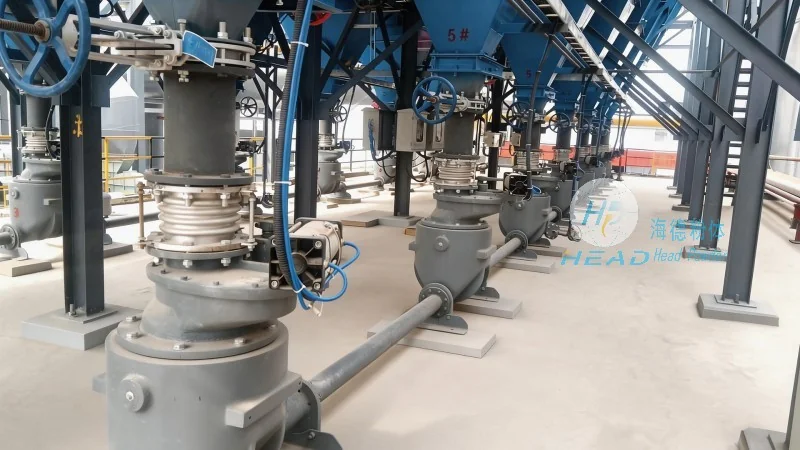
Company Expertise and Custom Solutions
Shandong HeadPowder Engineering Co., Ltd., operating under the brand name headpowder, specializes in the design and implementation of customized pneumatic conveying solutions for cement additives. With years of experience in the industry, the company understands the unique challenges faced by cement manufacturers and provides tailored systems that meet specific operational requirements. The company's engineering team conducts thorough analyses of material properties, process conditions, and site constraints to develop optimal system designs. This expertise ensures that the final solution is not only efficient but also cost-effective and reliable, delivering long-term benefits to clients.
Conclusion
In conclusion, the design of a cement additive pneumatic conveying system requires careful consideration of various factors, including material characteristics, system pressure, equipment selection, and integration. By adhering to these key design principles and leveraging the expertise of specialized companies like Shandong HeadPowder Engineering Co., Ltd., cement manufacturers can achieve efficient, reliable, and cost-effective material transport. The result is improved operational performance, reduced downtime, and enhanced product quality, ultimately contributing to the success of their production processes.