

Key Design Considerations for Biomass Pellet Pneumatic Conveying System Solutions
When designing a biomass pellet pneumatic conveying system, several critical factors must be considered to ensure efficient, reliable, and cost-effective operation. The success of such systems depends heavily on the careful selection of components and the understanding of the material's properties. This article outlines key design considerations for biomass pellet pneumatic conveying systems, emphasizing the expertise of Shandong HeadPowder Engineering Co., Ltd. (headpowder), a leading provider of engineering solutions for material handling and processing.
Understanding Material Characteristics and System Requirements
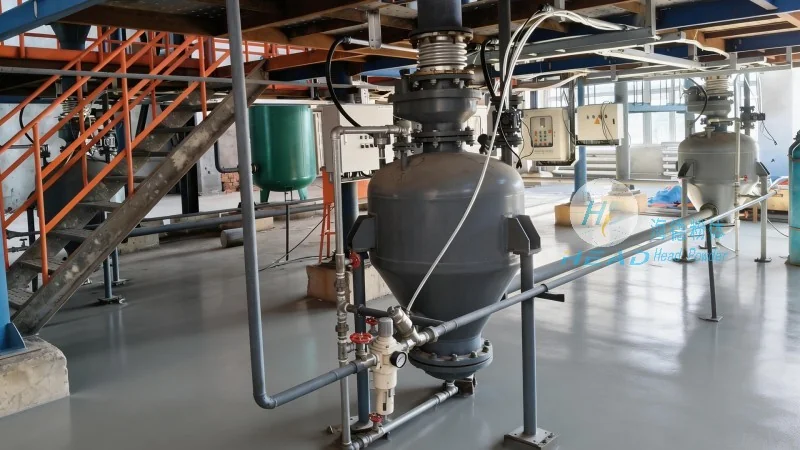
The first step in designing a biomass pellet pneumatic conveying system is a thorough analysis of the material being handled. Biomass pellets, derived from various sources like wood, agricultural residues, or energy crops, exhibit unique properties that influence system performance. Key material characteristics include particle size distribution, bulk density, moisture content, and abrasiveness. These factors directly impact the selection of conveying air velocity, pressure requirements, and the type of equipment used. For instance, smaller pellets may require higher air velocities to maintain flow, while larger or more abrasive pellets demand robust equipment to prevent wear and tear. Shandong HeadPowder Engineering Co., Ltd. conducts comprehensive material testing to tailor system designs that optimize performance and longevity.
System Type Selection: Dilute Phase vs. Dense Phase
Biomass pellet pneumatic conveying systems can be categorized into dilute phase and dense phase, each with distinct advantages and applications. Dilute phase systems operate at low solids concentration (typically 1-10% by volume) and are suitable for long-distance or high-velocity conveying. They are often preferred for applications requiring minimal pressure drop and energy consumption. Dense phase systems, on the other hand, operate at higher solids concentrations (10-20% or more) and use lower air velocities, resulting in slower but more reliable flow. This type is ideal for conveying sensitive materials or over long distances where pressure drop must be minimized. The choice between dilute and dense phase depends on factors such as conveying distance, material sensitivity, and energy efficiency goals. Shandong HeadPowder Engineering Co., Ltd. evaluates project-specific requirements to recommend the most appropriate system type, ensuring optimal performance and cost-effectiveness.
Pressure and Air Flow Management
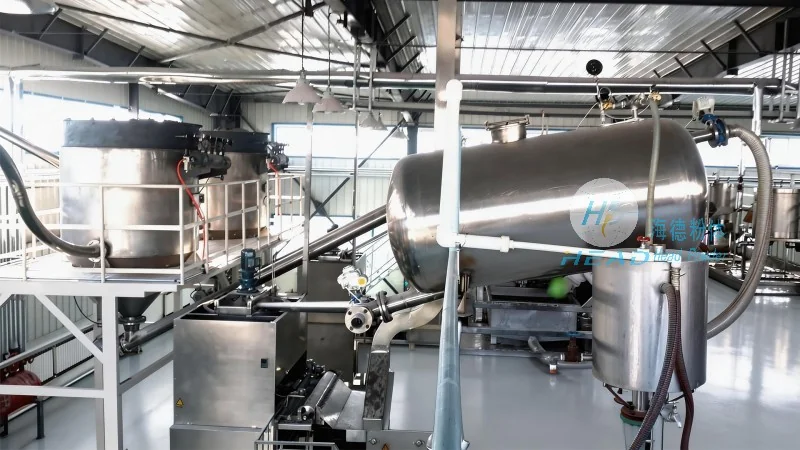
Effective pressure and air flow management is crucial for the smooth operation of biomass pellet pneumatic conveying systems. The system's pressure, typically measured in pounds per square inch (psi) or bars, determines the force available to move the material through the pipeline. Proper air flow rate is essential to maintain consistent material transport and prevent blockages or surging. Shandong HeadPowder Engineering Co., Ltd. employs advanced computational fluid dynamics (CFD) modeling and empirical data to calculate optimal pressure and air flow parameters. This ensures that the system operates within safe limits while maximizing efficiency. For example, in dilute phase systems, air velocity is carefully controlled to avoid particle deposition or excessive wear on the pipeline. In dense phase systems, the air-to-solids ratio is optimized to achieve stable, plug-like flow, reducing energy consumption and wear.
Pipeline Design and Material Selection
The design of the conveying pipeline is a critical aspect of system performance. The pipeline material must be selected based on the biomass pellet's abrasiveness and chemical compatibility. Common materials include stainless steel, carbon steel, and plastic-lined pipes. Stainless steel is preferred for its corrosion resistance and durability, especially in systems handling moisture-rich or acidic pellets. Carbon steel is often used for less abrasive materials, while plastic-lined pipes are suitable for non-corrosive applications. The pipeline diameter and length are also critical factors, as they directly affect pressure drop and energy consumption. Shandong HeadPowder Engineering Co., Ltd. uses industry-standard guidelines and project-specific data to determine the optimal pipeline size and material, ensuring minimal pressure loss and efficient material transport.
Equipment Selection: Feeders, Separators, and Controls
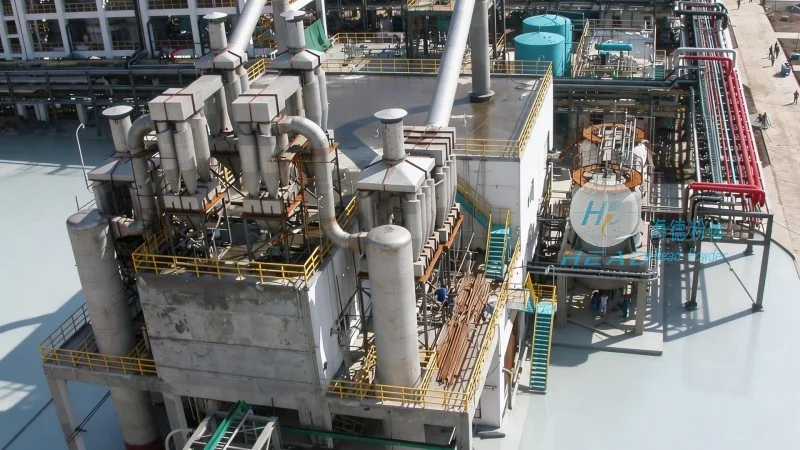
Key equipment components, such as feeders, separators, and control systems, play a vital role in the performance of biomass pellet pneumatic conveying systems. Feeders are responsible for accurately metering the biomass pellets into the conveying line, ensuring consistent flow rates. Common feeder types include rotary valves, screw feeders, and vibratory feeders. The selection of a feeder depends on the material's flowability, bulk density, and the required feeding rate. Separators, such as cyclones or bag filters, are used to separate the conveying air from the biomass pellets at the system's end. These components help maintain air quality and prevent material loss. Control systems, including pressure sensors, flow meters, and automation software, monitor and regulate the system's operation, ensuring safe and efficient performance. Shandong HeadPowder Engineering Co., Ltd. selects and integrates these components based on the system's specific requirements, ensuring compatibility and optimal performance.
Integration with Existing Infrastructure and Maintenance Considerations
When designing a biomass pellet pneumatic conveying system, it is essential to consider integration with existing infrastructure. This includes assessing the existing building layout, electrical and pneumatic connections, and space availability. Proper integration minimizes installation time and costs while ensuring the system operates seamlessly with other equipment. Additionally, maintenance considerations are critical for long-term system reliability. Shandong HeadPowder Engineering Co., Ltd. designs systems with easy access to components for maintenance and includes features like wear-resistant liners and regular maintenance schedules. This proactive approach reduces downtime and extends the system's operational life. For example, the use of wear-resistant materials in the pipeline and equipment reduces the frequency of repairs, while automated monitoring systems provide early warnings of potential issues.
Environmental and Safety Compliance
Biomass pellet pneumatic conveying systems must comply with environmental and safety regulations. This includes proper air filtration to minimize dust emissions and ensure worker safety. Cyclones and bag filters are commonly used to capture fine particles and prevent air pollution. Additionally, the system must be designed to prevent explosions in case of dust accumulation. This is achieved through explosion-proof components and proper ventilation systems. Shandong HeadPowder Engineering Co., Ltd. ensures that all systems meet or exceed local and international safety and environmental standards, providing peace of mind to clients and regulatory bodies.
Case Studies and Real-World Applications
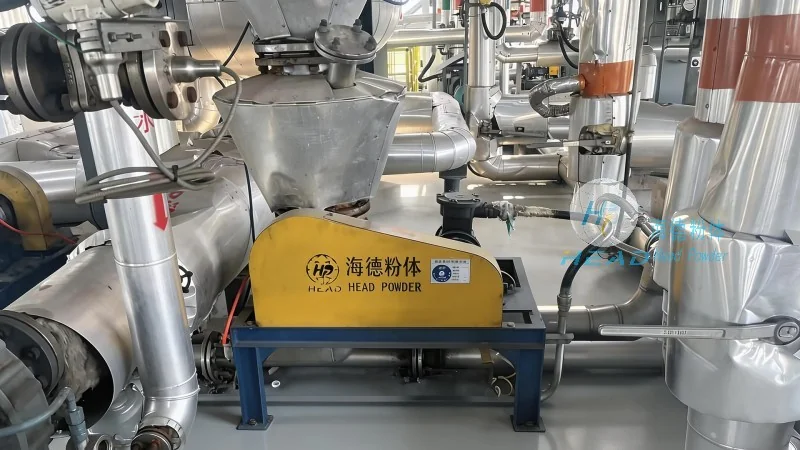
Shandong HeadPowder Engineering Co., Ltd. has successfully implemented biomass pellet pneumatic conveying systems in various industries, including biomass power plants, biofuel production facilities, and agricultural processing plants. These case studies demonstrate the effectiveness of their design approach in real-world scenarios. For instance, a biomass power plant in China utilized a dilute phase system to transport wood pellets over a distance of 500 meters, achieving a conveying efficiency of 98% and reducing energy consumption by 15% compared to traditional methods. Another project involved a biofuel facility where a dense phase system was used to convey agricultural residues, ensuring minimal material loss and consistent feed to the processing unit. These success stories highlight the practical application of Shandong HeadPowder Engineering Co., Ltd.'s expertise in designing efficient and reliable biomass pellet pneumatic conveying systems.
Conclusion: The Importance of Expert Design in Biomass Pellet Pneumatic Conveying Systems
In conclusion, the design of a biomass pellet pneumatic conveying system requires a comprehensive understanding of material properties, system types, and operational requirements. Shandong HeadPowder Engineering Co., Ltd. brings decades of experience and expertise to the table, providing tailored solutions that meet the specific needs of each project. By focusing on material characteristics, system type selection, pressure management, pipeline design, equipment integration, and compliance with regulations, they ensure that biomass pellet pneumatic conveying systems operate efficiently, reliably, and cost-effectively. As the demand for biomass energy and sustainable material handling grows, the importance of expert design in this field cannot be overstated. Shandong HeadPowder Engineering Co., Ltd. remains committed to delivering high-quality engineering solutions that support the transition to a more sustainable future.