

Key Design Considerations for Kaolin Powder Pneumatic Conveying System Solutions
For industrial applications requiring the efficient and reliable transport of kaolin powder, the design of a pneumatic conveying system is a critical step. This article outlines key considerations for developing effective kaolin powder pneumatic conveying system solutions, emphasizing the technical and operational aspects that ensure optimal performance and longevity. The information is presented by Shandong HeadPowder Engineering Co., Ltd., a leading provider of specialized engineering solutions based in China.
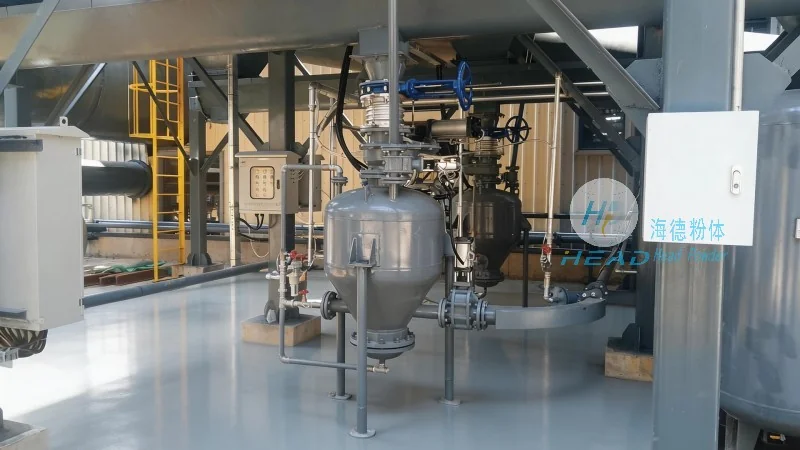
Understanding Kaolin Powder Characteristics and Their Impact on System Design
Before designing a pneumatic conveying system for kaolin powder, it is essential to understand the physical and chemical properties of the material. Kaolin, a type of clay, typically exhibits fine particle sizes, low bulk density, and varying moisture content. These characteristics directly influence the selection of conveying equipment, such as the type of air compressor, the design of the hopper and feed system, and the choice of pipeline materials. For instance, fine particles may require higher air velocities to prevent clogging, while moisture content can affect the material's flowability and the risk of corrosion in the system. A thorough analysis of kaolin powder properties ensures that the system is tailored to handle the specific challenges associated with this material, leading to improved efficiency and reduced downtime.
System Configuration Options: Dilute Phase vs. Dense Phase Conveying
The choice between dilute phase and dense phase pneumatic conveying systems is a fundamental decision in kaolin powder handling. Dilute phase systems rely on high air velocities to transport particles in a dispersed state, typically at air-to-solid ratios of 5:1 to 10:1. This method is suitable for short to medium distances and applications where the material is not prone to degradation from high velocities. Dense phase systems, on the other hand, use lower air velocities and higher solid concentrations, often operating at air-to-solid ratios of 0.5:1 to 2:1. These systems are ideal for longer distances, handling abrasive or sensitive materials, and minimizing particle degradation. For kaolin powder, the selection depends on the distance between the source and destination, the required material handling capacity, and the need to preserve the powder's quality. A well-designed system may incorporate a combination of both phases, such as a dilute phase for initial transport and a dense phase for final delivery, optimizing performance across different operational stages.
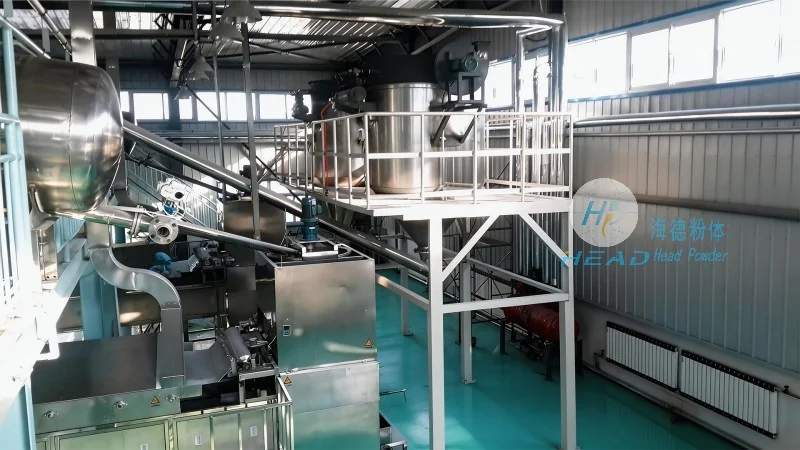
Key Components and Their Design Considerations
Several critical components make up a kaolin powder pneumatic conveying system, each requiring careful design to ensure reliability and efficiency. The air compressor is the heart of the system, providing the necessary pressure and airflow. Centrifugal compressors are commonly used for dilute phase systems due to their high airflow capacity and low maintenance requirements, while positive displacement compressors are preferred for dense phase applications where higher pressure is needed. The hopper and feed system are also vital, as they must maintain consistent material flow and prevent clogging. The hopper design, including the angle of repose and the use of vibrators or air knives, is crucial for ensuring smooth feeding. The pipeline system, made from materials resistant to kaolin's potential corrosive effects (such as stainless steel or special coatings), must be properly sized to accommodate the air and solid flow rates. Additionally, the system may include filters and cyclones to separate the powder from the air, ensuring that the material is delivered to the destination without contamination and that the air is cleaned before release. Each component's design must be optimized to work in harmony with the others, minimizing energy consumption and maximizing material throughput.
Material Handling Capacity and Flow Rate Optimization
Optimizing the material handling capacity and flow rate is essential for the efficient operation of a kaolin powder pneumatic conveying system. The system's capacity is determined by factors such as the air compressor's output, the pipeline diameter, and the particle size distribution of the kaolin powder. To achieve the desired flow rate, engineers must calculate the appropriate air velocity and pressure. For example, a higher air velocity may be required for fine kaolin particles to prevent clogging, while a lower velocity may be sufficient for coarser particles. The system's design must also account for variations in material feed rate, such as fluctuations in production or changes in moisture content. By using variable speed drives for the air compressor and adjusting the feed system, the system can maintain a consistent flow rate even under varying conditions. This optimization ensures that the system operates at peak efficiency, reducing energy costs and minimizing the risk of system overload or underload, which can lead to performance issues or equipment damage.
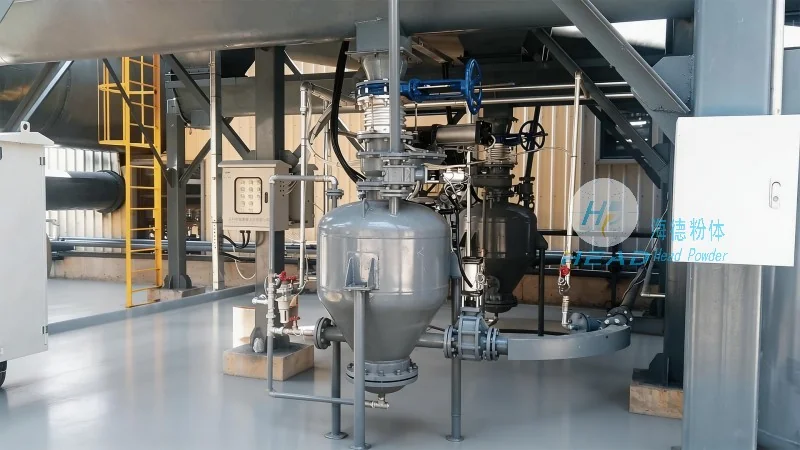
Preventing Clogging and Ensuring System Reliability
Clogging is a common challenge in kaolin powder pneumatic conveying systems, particularly in dilute phase systems where fine particles can accumulate in the pipeline or equipment. To prevent clogging, several design strategies are employed. The use of air knives or vibrators in the hopper helps maintain material flow, while the incorporation of cyclones or filters at the system's end ensures that the powder is separated from the air efficiently. The pipeline design, including the use of bends and elbows with smooth transitions, minimizes the risk of particle accumulation. Additionally, the system may include pressure relief valves and check valves to prevent backflow and maintain consistent pressure. Regular maintenance, such as cleaning the hopper and pipeline, is also critical to prevent long-term clogging. By implementing these measures, the system's reliability is enhanced, reducing downtime and maintenance costs. The goal is to create a system that can handle the unique challenges of kaolin powder without frequent interruptions, ensuring continuous and efficient operation.
Energy Efficiency and Environmental Considerations
Energy efficiency is a key consideration in the design of modern kaolin powder pneumatic conveying systems. High energy consumption can significantly increase operational costs, making it essential to optimize the system for minimal energy use. This involves selecting the most efficient air compressor, reducing air leakage in the pipeline, and minimizing pressure losses due to bends and fittings. The use of variable frequency drives (VFDs) allows the air compressor to adjust its output based on the system's demand, reducing energy waste during low-load periods. Additionally, the system's design should include features that reduce the need for excessive air velocity, such as using larger pipeline diameters or optimizing the air-to-solid ratio. Environmental considerations are also important, as the system must comply with regulations regarding air emissions and noise levels. The incorporation of dust collection systems and noise reduction measures ensures that the system operates within acceptable environmental standards. By focusing on energy efficiency and environmental compliance, the system not only reduces costs but also contributes to sustainable industrial practices.
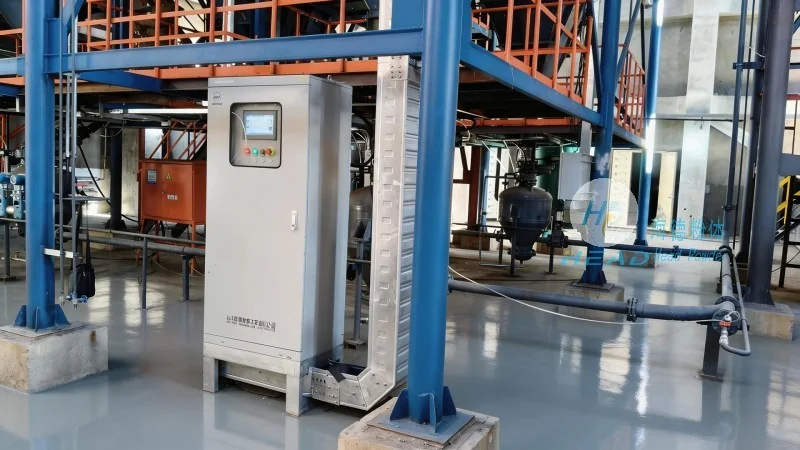
Integration with Existing Facilities and Future Expansion
When designing a kaolin powder pneumatic conveying system, it is important to consider its integration with existing industrial facilities and the potential for future expansion. The system should be designed to connect seamlessly with the current infrastructure, such as existing hoppers, silos, or processing equipment. This may involve modifying the layout of the facility or installing new components that are compatible with the existing system. Additionally, the system should be scalable to accommodate future increases in production capacity or changes in material handling requirements. For example, the use of modular components allows for easy expansion without major system overhauls. The design should also account for space constraints and safety considerations, ensuring that the system can be installed and operated without interfering with other operations. By planning for integration and future growth, the system provides long-term value and flexibility, adapting to the evolving needs of the industrial application.
Conclusion: The Importance of Professional Engineering for Kaolin Powder Pneumatic Conveying Systems
In conclusion, the design of a kaolin powder pneumatic conveying system requires a comprehensive approach that considers the material's properties, the system's configuration, and the operational requirements. By addressing key design considerations such as material characteristics, system configuration, component selection, flow rate optimization, clogging prevention, energy efficiency, and integration with existing facilities, engineers can develop a system that is efficient, reliable, and cost-effective. The expertise of companies like Shandong HeadPowder Engineering Co., Ltd. is crucial in ensuring that these considerations are addressed effectively, resulting in a system that meets the specific needs of the industrial application. With proper design and implementation, a kaolin powder pneumatic conveying system can significantly improve material handling efficiency, reduce downtime, and enhance overall operational performance. The investment in a well-designed system pays off through increased productivity, lower maintenance costs, and improved product quality, making it a vital component of modern industrial operations.