

[COLUMN]Carbon Powder Pneumatic Conveying System Design
Carbon powder pneumatic conveying systems represent a critical technology in material handling, particularly for the efficient and safe transport of carbon-based powders. These systems utilize air or other gas streams to move powders through pipelines, offering advantages such as reduced contamination, improved process control, and enhanced safety compared to traditional mechanical conveying methods. For industries dealing with carbon powders—including carbon black, graphite, and other carbon-based materials—choosing the right pneumatic conveying system is essential for optimizing production efficiency and maintaining product quality.
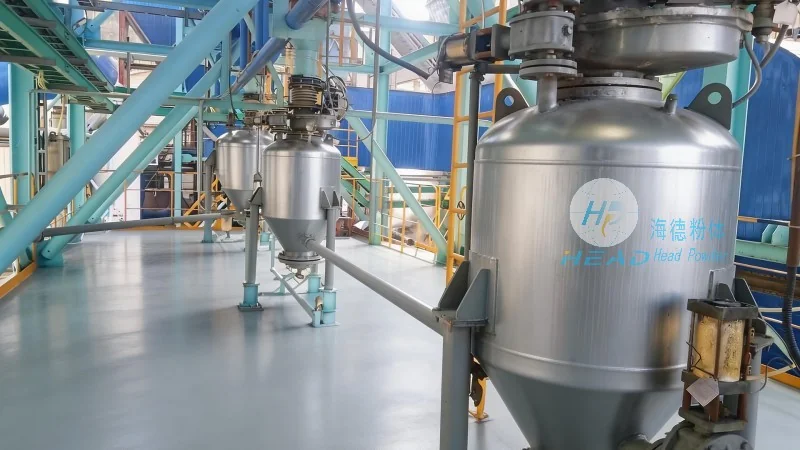
HeadPowder: A Leader in Carbon Powder Conveying Solutions
Shandong HeadPowder Engineering Co., Ltd., commonly known as HeadPowder, is a prominent provider of specialized engineering solutions for the carbon powder industry. With a focus on innovation and customer-centric design, HeadPowder has established itself as a trusted partner for businesses seeking reliable and efficient pneumatic conveying systems. The company’s expertise lies in tailoring systems to meet the unique requirements of each client, ensuring optimal performance and long-term durability. HeadPowder’s commitment to quality and precision has made it a key player in the global carbon powder processing sector.
Key Design Considerations for Carbon Powder Pneumatic Conveying
The design of a carbon powder pneumatic conveying system involves several critical factors that directly impact its performance and reliability. First, the selection of the appropriate conveying method—such as dilute phase or dense phase—depends on the specific characteristics of the carbon powder, including particle size, density, and flowability. Dilute phase systems are ideal for fine powders and long-distance transport, while dense phase systems are better suited for handling abrasive or sticky materials. Additionally, the system’s pressure and velocity parameters must be carefully calibrated to prevent particle degradation or pipeline blockages. HeadPowder engineers employ advanced computational fluid dynamics (CFD) and material testing to optimize these parameters, ensuring that the system operates within safe and efficient limits.
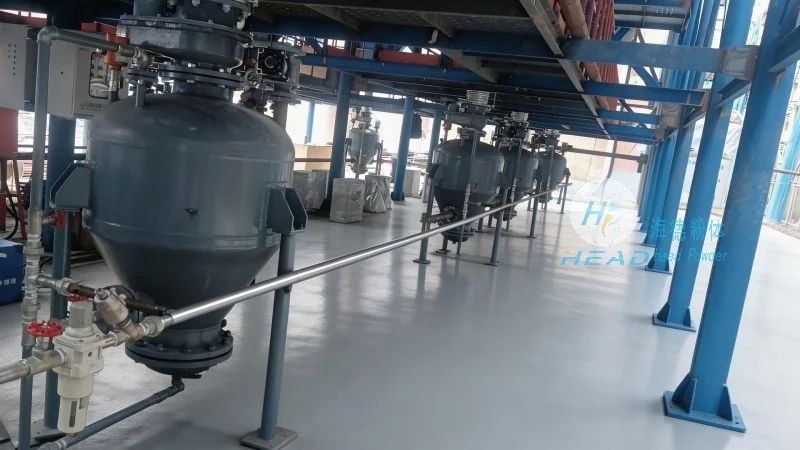
System Components and Their Functionality
A typical carbon powder pneumatic conveying system consists of several key components, each playing a vital role in the overall operation. The primary components include a material feeder, which accurately meters the carbon powder into the conveying line; a blower or compressor, which generates the necessary air or gas flow; a pipeline network, designed to transport the powder; and a receiver or discharge unit, where the material is collected. The material feeder is often equipped with a rotary valve or screw feeder to maintain consistent flow rates, preventing overloading or underloading of the system. The blower or compressor must be capable of delivering sufficient pressure and volume to overcome pipeline resistance and maintain the desired conveying velocity. The pipeline itself is typically made of materials resistant to corrosion and abrasion, such as stainless steel or polyethylene, to ensure long service life. The receiver is designed to handle the incoming powder without causing dust emissions or material loss, often incorporating dust collection and filtration systems.
Advantages of Carbon Powder Pneumatic Conveying Systems
Compared to traditional mechanical conveying methods, carbon powder pneumatic conveying systems offer several distinct advantages. One of the most significant benefits is the reduction in product contamination, as the system operates in a closed environment, minimizing exposure to external contaminants. This is particularly important for high-purity carbon powders used in applications such as battery manufacturing, where even minor impurities can affect performance. Additionally, pneumatic conveying systems provide better process control, allowing for precise regulation of flow rates and pressure, which enhances production consistency. The systems also offer improved safety, as they eliminate the need for manual handling of powders, reducing the risk of dust explosions or respiratory hazards. Furthermore, the compact design of these systems allows for easier integration into existing production lines, saving space and reducing installation costs. HeadPowder’s systems are engineered to maximize these advantages, ensuring that clients achieve optimal performance and cost savings.
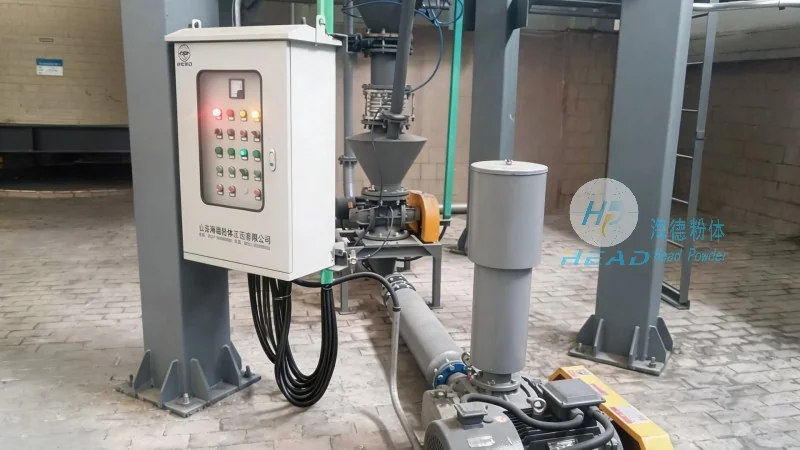
Customization and Integration Services
HeadPowder understands that each carbon powder application has unique requirements, and therefore, offers comprehensive customization and integration services. The company works closely with clients to understand their specific needs, from material properties to production capacity, and designs a system that meets all criteria. Customization may include adjustments to the conveying method, component selection, or system layout to ensure compatibility with existing infrastructure. HeadPowder’s engineering team utilizes advanced software and simulation tools to model the system’s performance before installation, allowing for any necessary adjustments to be made proactively. This approach minimizes downtime and ensures that the final system operates at peak efficiency. Additionally, the company provides post-installation support, including maintenance services and technical assistance, to ensure long-term system reliability. By offering tailored solutions, HeadPowder helps clients achieve their production goals while maintaining cost-effectiveness and operational efficiency.
Conclusion: Enhancing Carbon Powder Handling with HeadPowder
Carbon powder pneumatic conveying systems are a vital technology for industries dealing with carbon-based materials, and the expertise of companies like Shandong HeadPowder Engineering Co., Ltd. is essential for optimizing these systems. HeadPowder’s commitment to quality, innovation, and customer satisfaction has enabled it to provide reliable and efficient solutions for a wide range of applications. By carefully considering design factors, selecting appropriate components, and leveraging customization services, businesses can enhance their carbon powder handling processes, improving productivity, reducing costs, and maintaining product quality. As the demand for high-purity carbon powders continues to grow, the role of advanced pneumatic conveying systems will become increasingly important, and HeadPowder remains at the forefront of this technology, providing solutions that meet the evolving needs of the industry.