

Design of Carbide Slag Pneumatic Conveying System
Carbide slag, a byproduct of the calcium carbide production process, poses significant challenges in handling and disposal due to its abrasive nature and potential environmental hazards. The efficient and safe transportation of this material is crucial for industrial operations, and pneumatic conveying systems have emerged as a reliable solution. This article outlines the design considerations and key components of a carbide slag pneumatic conveying system, highlighting the expertise of Shandong HeadPowder Engineering Co., Ltd. in providing tailored solutions for such applications.
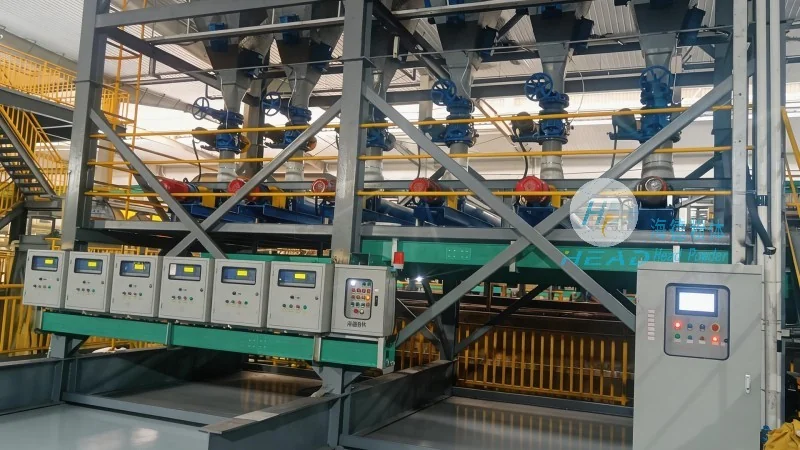
Understanding Carbide Slag and Its Handling Requirements
Carbide slag, also known as calcium carbide slag, is a solid waste generated during the production of calcium carbide. It typically consists of a mixture of calcium oxide, carbon, and other impurities, with a high density and abrasive properties. Due to its chemical composition and physical characteristics, conventional gravity or mechanical conveying methods are often unsuitable, as they can cause equipment wear, blockages, and operational inefficiencies. Pneumatic conveying, which uses air pressure to transport materials in a pipeline, offers a more effective approach by minimizing direct contact between the slag and equipment surfaces.
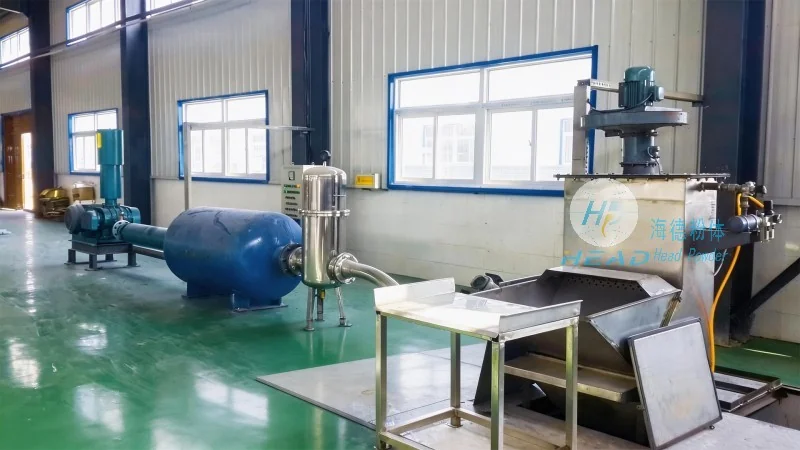
Key Design Principles for Pneumatic Conveying Systems
The design of a carbide slag pneumatic conveying system involves several critical factors to ensure optimal performance, safety, and longevity. First, the system must be capable of handling the high abrasive nature of the slag, which requires the use of durable materials for components such as pipelines, valves, and pumps. Second, the system should be designed to prevent blockages and ensure consistent flow, which is achieved through proper air-to-material ratio control and the use of appropriate conveying velocities. Third, the system must comply with environmental regulations, as carbide slag may contain hazardous components that require proper containment and treatment. Shandong HeadPowder Engineering Co., Ltd. specializes in integrating these design principles into customized solutions that meet the specific needs of industrial clients.
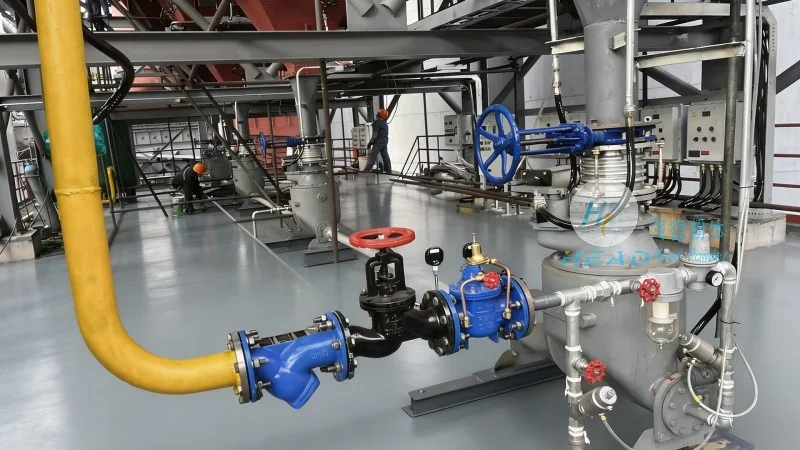
Components and Technologies in a Carbide Slag Pneumatic Conveying System
A typical carbide slag pneumatic conveying system consists of several key components, each playing a vital role in the overall operation. The system starts with a material feeding unit, which may include a hopper or feeder to ensure a steady supply of slag into the pipeline. Next, a blower or compressor provides the necessary air pressure to transport the material. The pipeline network, made from corrosion-resistant materials like stainless steel or special alloys, conveys the slag from the feeding point to the discharge location. At the discharge end, a receiver or silo collects the material, often equipped with a dust collection system to control airborne particles. Additionally, the system may include control valves, filters, and monitoring equipment to regulate flow and ensure safe operation. Shandong HeadPowder Engineering Co., Ltd. utilizes advanced technologies and materials in the design of these components to enhance system efficiency and reliability.
Benefits of Implementing a Carbide Slag Pneumatic Conveying System
Adopting a pneumatic conveying system for carbide slag offers numerous benefits for industrial operations. Firstly, it significantly reduces equipment wear and maintenance costs compared to mechanical conveying methods, as the material is transported without direct contact with conveying components. Secondly, the system provides a more hygienic and controlled environment, minimizing dust emissions and improving workplace safety. Thirdly, the system allows for flexible and scalable solutions, enabling easy integration with existing production lines or expansion as operational needs change. Additionally, the system enhances process efficiency by ensuring consistent material flow and reducing downtime caused by blockages or equipment failures. Shandong HeadPowder Engineering Co., Ltd. emphasizes these benefits in its design and implementation of carbide slag pneumatic conveying systems, helping clients achieve operational excellence and cost savings.
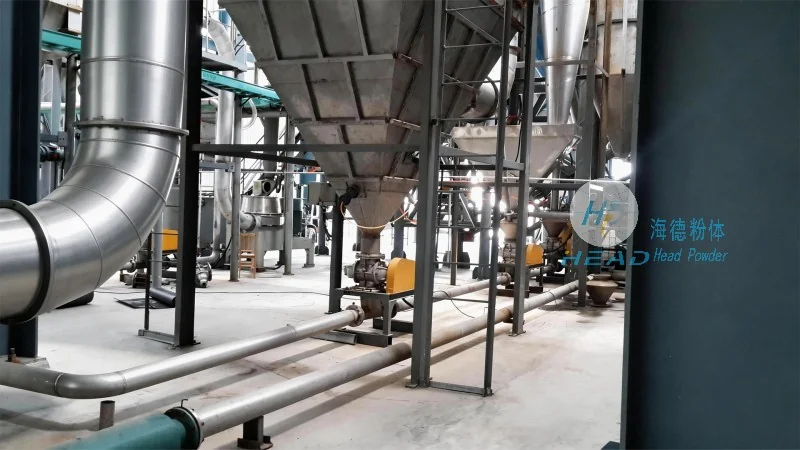
Customization and Expertise from Shandong HeadPowder Engineering Co., Ltd.
Shandong HeadPowder Engineering Co., Ltd. is a leading provider of engineering solutions for industrial material handling, with a focus on pneumatic conveying systems for challenging materials like carbide slag. The company's team of experienced engineers and technicians work closely with clients to understand their specific requirements, including material characteristics, production volumes, and operational constraints. Based in Shandong, China, the company leverages its local expertise and resources to deliver high-quality, cost-effective solutions tailored to each project. From initial system design and feasibility studies to installation, commissioning, and ongoing maintenance support, Shandong HeadPowder Engineering Co., Ltd. provides comprehensive services to ensure the successful implementation and long-term performance of carbide slag pneumatic conveying systems. The company's commitment to quality, safety, and customer satisfaction has earned it a reputation as a trusted partner in the industry.