

Design of a Coal Fly Ash Pneumatic Conveying System
Shandong HeadPowder Engineering Co., Ltd., commonly known as headpowder, is a professional engineering firm specializing in the design and implementation of industrial conveying systems. With a focus on high-efficiency and reliable solutions, the company has established itself as a key player in the field of material handling, particularly for coal fly ash transportation. Headquartered in Shandong, China, the company leverages decades of industry experience to deliver tailored pneumatic conveying solutions that meet the specific needs of clients across various sectors.
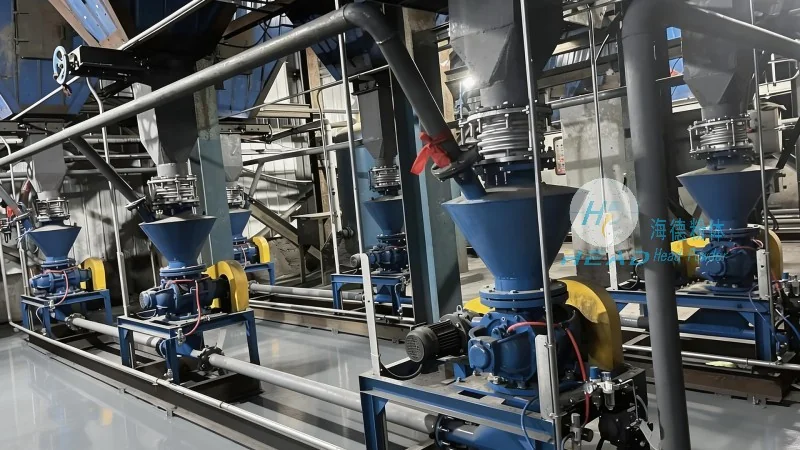
Overview of Coal Fly Ash Pneumatic Conveying System Design
The design of a coal fly ash pneumatic conveying system involves a comprehensive approach that integrates mechanical engineering principles, material science, and process control. The primary objective is to ensure the safe, efficient, and cost-effective transportation of coal fly ash from its source to the intended destination, such as storage silos, processing facilities, or disposal sites. A well-designed system must consider factors like ash properties (e.g., particle size, moisture content, density), operational requirements (e.g., flow rate, distance, pressure), and environmental regulations to achieve optimal performance.
Key Components and System Architecture
A typical coal fly ash pneumatic conveying system consists of several critical components working in tandem to facilitate material transport. These include the ash feed hopper, which serves as the initial collection point for the material; a rotary valve or feeder that controls the flow rate and prevents backflow; a conveying pipeline network that transports the ash under pressure; a series of pressure vessels or receivers that may be used for intermediate storage or pressure regulation; and a dust collection system to ensure compliance with air quality standards. The system may also incorporate a control panel equipped with sensors and automation software to monitor and adjust parameters in real-time, enhancing operational efficiency and safety.
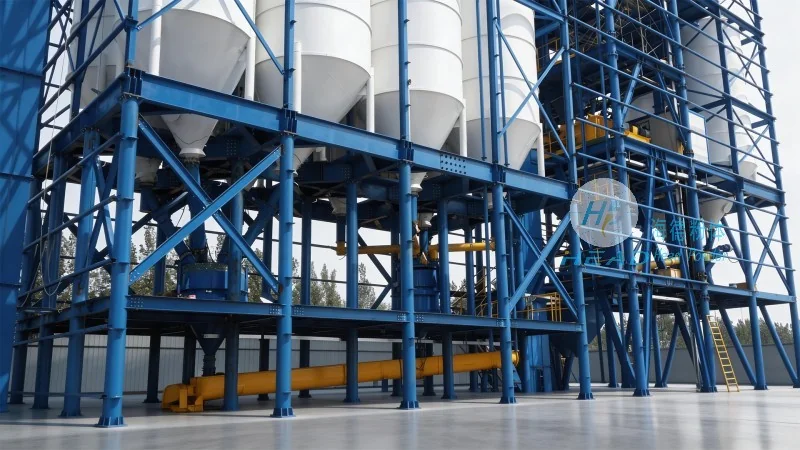
Design Considerations and Technical Advantages
When designing a coal fly ash pneumatic conveying system, several key considerations must be addressed to ensure long-term reliability and performance. First, the selection of appropriate materials for components such as pipelines, valves, and hoppers is crucial, as coal fly ash can be abrasive and corrosive. High-quality stainless steel or specialized alloys are often preferred to withstand wear and chemical exposure. Second, the system's pressure and flow rate must be optimized to balance energy consumption with conveying efficiency. Advanced computational fluid dynamics (CFD) modeling and simulation tools are commonly used to predict flow behavior and identify potential bottlenecks or areas of high stress. Third, the integration of dust suppression and filtration systems is essential to minimize environmental impact and protect personnel from inhalation hazards. These systems typically include cyclone separators, bag filters, or electrostatic precipitators, which capture fine particles and return clean air to the environment.
Application Scenarios and Case Studies
Coal fly ash pneumatic conveying systems are widely used in power plants, cement factories, and industrial waste management facilities. In power plants, for example, the system efficiently transports fly ash from the boiler to storage silos or to be used as a raw material in cement production. The design must account for the high volume of ash generated and the need for continuous operation, often requiring multiple parallel pipelines or a redundant system to ensure uninterrupted service. In cement plants, the system may be integrated with the raw material handling process, where fly ash is used as a supplementary cementitious material (SCM) to improve concrete properties. The system's flexibility allows for adjustments in flow rate based on production demands, ensuring that the ash is delivered to the mixing plant at the right time and in the right quantity.
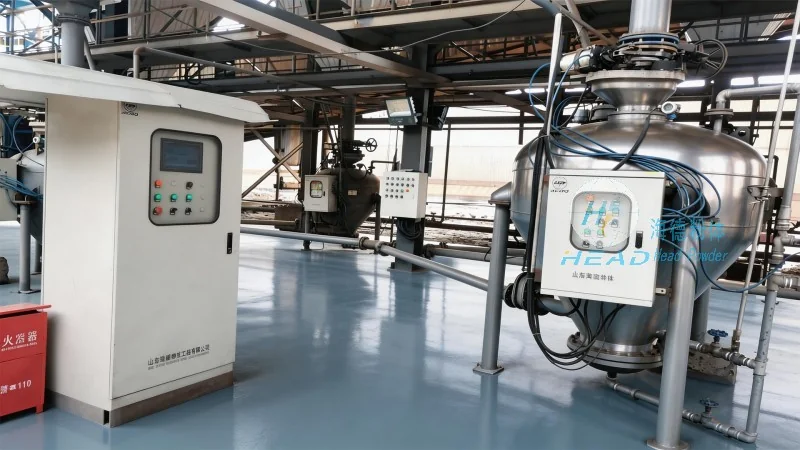
Maintenance and Optimization Strategies
Regular maintenance is essential to prolong the lifespan of a coal fly ash pneumatic conveying system and maintain its performance. This includes inspecting and replacing worn components such as seals, bearings, and filters; cleaning and lubricating moving parts; and monitoring system pressure and flow rates for any deviations. Advanced monitoring systems can provide real-time data on system health, alerting operators to potential issues before they escalate into major failures. Additionally, periodic system optimization can be performed to improve efficiency. This may involve adjusting the rotary valve speed, modifying pipeline diameter, or upgrading to more energy-efficient components. By implementing these strategies, companies can reduce operational costs, minimize downtime, and ensure compliance with environmental regulations.
Company Commitment and Service Excellence
Shandong HeadPowder Engineering Co., Ltd. is committed to providing comprehensive engineering solutions for coal fly ash pneumatic conveying systems. The company's team of experienced engineers and technicians work closely with clients to understand their specific requirements and develop customized designs that meet their operational goals. From initial consultation and system design to installation, commissioning, and ongoing support, headpowder offers a full range of services to ensure client satisfaction. The company's focus on quality, safety, and sustainability is reflected in its adherence to international standards and best practices, making it a trusted partner for industries seeking reliable and efficient material handling solutions.