

PTA Powder Pneumatic Conveying System Design
HeadPowder, a leading engineering firm based in Shandong, China, specializes in the design and implementation of advanced pneumatic conveying systems tailored for PTA powder handling. This article provides an in-depth look at the key considerations and technical aspects involved in designing an efficient PTA powder pneumatic conveying system, highlighting the expertise and solutions offered by Shandong HeadPowder Engineering Co., Ltd.
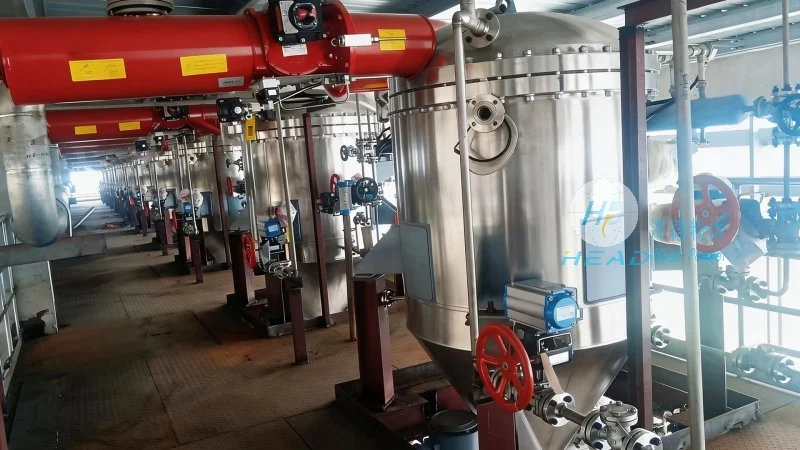
System Design Principles for PTA Powder Handling
The successful design of a PTA powder pneumatic conveying system hinges on several critical factors, including material properties, system capacity, and operational requirements. PTA (polyethylene terephthalate acid) powder is known for its fine particle size and potential for static electricity, which necessitates specialized equipment to ensure safe and reliable transport. The system design must address challenges such as particle segregation, caking, and the need for consistent flow rates to maintain process efficiency.
Key Components of the PTA Powder Pneumatic Conveying System
The core components of a PTA powder pneumatic conveying system typically include a material feed hopper, a rotary airlock valve, a positive displacement blower or compressor, a conveying pipeline, and a receiving hopper or storage tank. Each component plays a vital role in the overall performance of the system. The feed hopper ensures a steady supply of PTA powder, while the rotary airlock valve prevents backflow and maintains a consistent material flow rate. The positive displacement blower provides the necessary air pressure to move the powder through the pipeline, and the conveying pipeline is designed to minimize pressure drop and maintain particle integrity. The receiving hopper collects the conveyed PTA powder and can be integrated with downstream processing equipment.
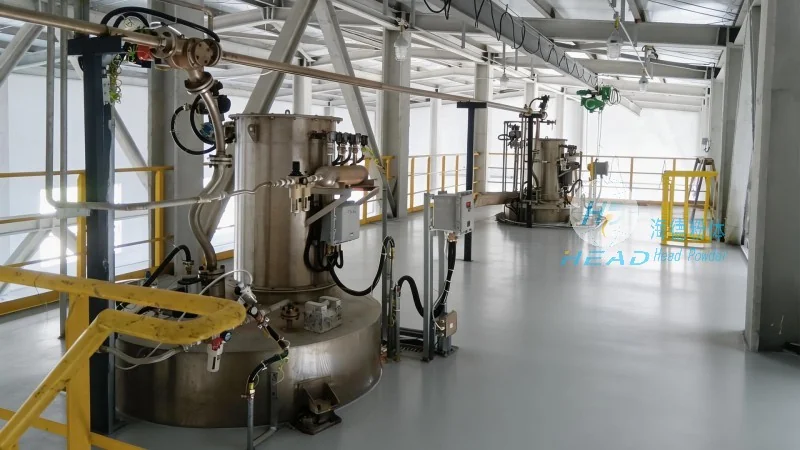
Material Handling Challenges and Solutions
PTA powder presents unique challenges due to its fine particle size and tendency to generate static electricity. These factors can lead to issues such as clogging, particle segregation, and reduced system efficiency. To address these challenges, the system design incorporates features like anti-static additives, proper grounding, and specialized hopper designs to prevent material buildup. Additionally, the use of flexible hoses and smooth pipeline surfaces helps minimize friction and particle attrition, ensuring the powder remains in its original form throughout the conveying process.
Capacity and Flow Rate Considerations
The capacity of a PTA powder pneumatic conveying system is determined by the required throughput, which depends on the production scale and processing speed of the downstream equipment. The system design must ensure that the blower or compressor can deliver sufficient air volume and pressure to maintain the desired flow rate. Factors such as pipeline length, diameter, and number of bends also impact the system's capacity. Engineers at Shandong HeadPowder Engineering Co., Ltd. conduct detailed calculations to optimize the system's performance, ensuring that the conveying rate meets the operational demands without causing excessive energy consumption or pressure losses.
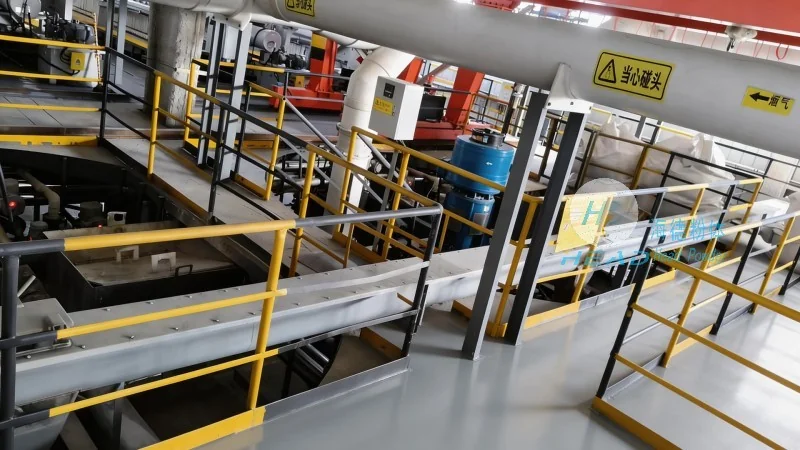
Energy Efficiency and Maintenance
Energy efficiency is a critical consideration in the design of PTA powder pneumatic conveying systems, as these systems can consume significant power. The selection of a high-efficiency positive displacement blower and the optimization of pipeline design are key strategies to minimize energy consumption. Regular maintenance is also essential to ensure the system operates at peak performance. This includes routine checks of the blower, airlock valves, and pipeline for any signs of wear or blockage. The use of durable materials and corrosion-resistant components helps extend the system's lifespan and reduce long-term maintenance costs.
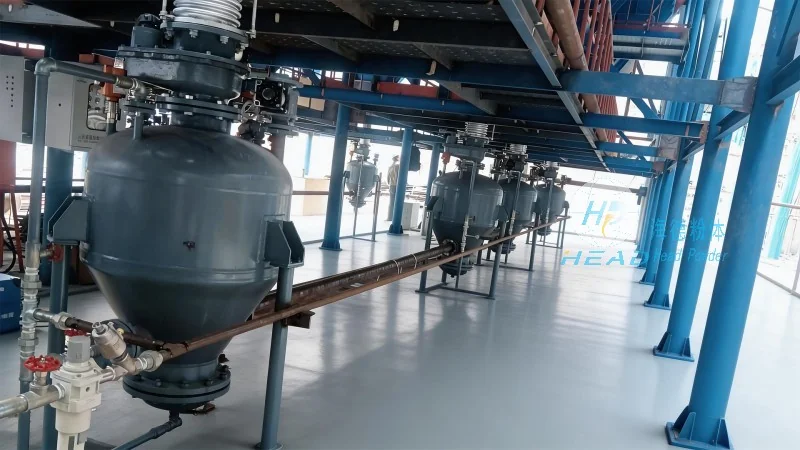
Application in Industrial Settings
PTA powder pneumatic conveying systems are widely used in the petrochemical and polymer industries, where PTA is a key raw material for producing polyester fibers and resins. The systems are typically integrated into production lines that involve PTA storage, transportation, and feeding to reactors or extruders. The reliability and efficiency of these systems are crucial for maintaining production continuity and minimizing downtime. Shandong HeadPowder Engineering Co., Ltd. has successfully implemented numerous PTA powder pneumatic conveying systems for clients in China and beyond, demonstrating its expertise in handling the unique challenges associated with PTA powder transport.
Conclusion
In conclusion, the design of a PTA powder pneumatic conveying system requires a comprehensive understanding of material properties, system components, and operational requirements. By addressing challenges such as static electricity, particle segregation, and energy efficiency, engineers can develop systems that ensure safe, reliable, and efficient transport of PTA powder. Shandong HeadPowder Engineering Co., Ltd. leverages its expertise and experience to provide tailored solutions that meet the specific needs of its clients, contributing to the smooth operation of industrial processes involving PTA powder handling.