

Rice Husk Pneumatic Conveying Design Calculation and Equipment Selection
When it comes to handling rice husk in industrial processing facilities, selecting the right pneumatic conveying system is crucial for efficiency, reliability, and cost-effectiveness. This article explores the key aspects of designing and selecting equipment for rice husk pneumatic conveying, focusing on the technical considerations and practical solutions offered by Shandong HeadPowder Engineering Co., Ltd. (HeadPowder).
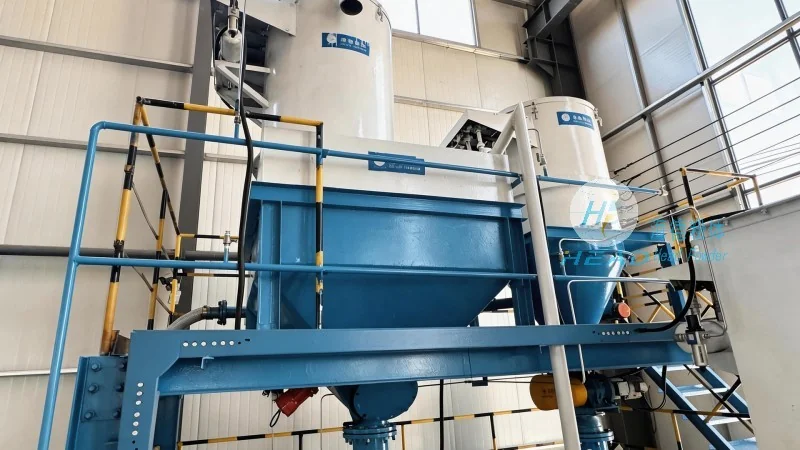
Design Calculation for Rice Husk Pneumatic Conveying Systems
The design of a rice husk pneumatic conveying system involves a comprehensive analysis of several critical parameters. The first step is to determine the material characteristics of rice husk, such as bulk density, particle size distribution, and flowability. These properties directly impact the selection of the conveying method—whether it's a dilute-phase or dense-phase system. HeadPowder engineers use advanced computational tools to model the material behavior under different air velocities and pressure conditions. By inputting the specific properties of rice husk, the system can calculate the required air volume, pressure drop, and power consumption. This ensures that the chosen equipment meets the operational demands while optimizing energy use.
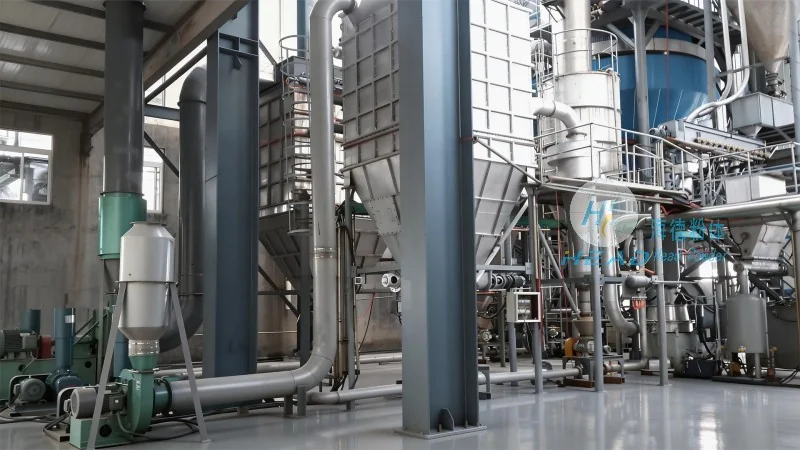
Equipment Selection for Rice Husk Pneumatic Conveying
HeadPowder offers a range of specialized equipment tailored for rice husk handling. The primary components include feeders, airlocks, conveying pipes, and dust collectors. For rice husk, which is lightweight and can be dusty, the selection of each component is vital. Feeders, such as rotary valves or screw feeders, are designed to handle the material's flow characteristics without clogging. Airlocks are used to separate the conveying system from the storage or processing areas, preventing backflow and maintaining pressure stability. The conveying pipes are typically made of corrosion-resistant materials like stainless steel to withstand the abrasive nature of rice husk particles. Additionally, dust collectors are essential to capture and filter the fine particles, ensuring compliance with environmental regulations and maintaining a clean working environment.
Advantages of Pneumatic Conveying for Rice Husk
Compared to traditional mechanical conveying methods, pneumatic systems offer several advantages for rice husk processing. These include reduced labor costs, minimized material degradation, and improved safety. The absence of moving parts in the conveying line reduces maintenance requirements and extends the equipment's lifespan. Moreover, pneumatic systems can handle long-distance conveying with minimal pressure loss, making them suitable for large-scale operations. HeadPowder's customized solutions are designed to address the unique challenges of rice husk, such as its low bulk density and tendency to create dust. By integrating advanced control systems, the conveying process can be automated, allowing for real-time monitoring and adjustment to maintain optimal performance.
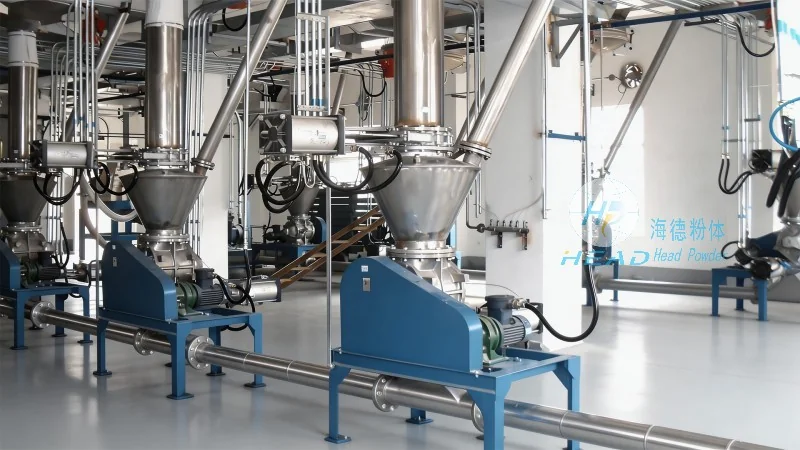
HeadPowder: Your Partner in Rice Husk Pneumatic Conveying Solutions
Shandong HeadPowder Engineering Co., Ltd. specializes in providing comprehensive pneumatic conveying solutions for rice husk processing. With years of experience in the industry, HeadPowder combines technical expertise with practical application to deliver systems that meet the specific needs of clients. The company's headquarters is located in Shandong, China, where a team of skilled engineers and technicians work to develop innovative solutions. Whether it's a new installation or an upgrade to an existing system, HeadPowder offers tailored designs that ensure efficiency, reliability, and compliance with industry standards. By choosing HeadPowder, rice husk processing facilities can enhance their operational performance and achieve sustainable growth.