

Design of a Negative Pressure Pneumatic Conveying System for Mica Powder
HeadPowder, a leading manufacturer in the field of powder handling equipment, specializes in the design and production of advanced negative pressure pneumatic conveying systems tailored for mica powder applications. This article provides a detailed overview of the design principles, key components, and operational advantages of such a system, emphasizing the technical expertise and engineering solutions offered by Shandong HeadPowder Engineering Co., Ltd.
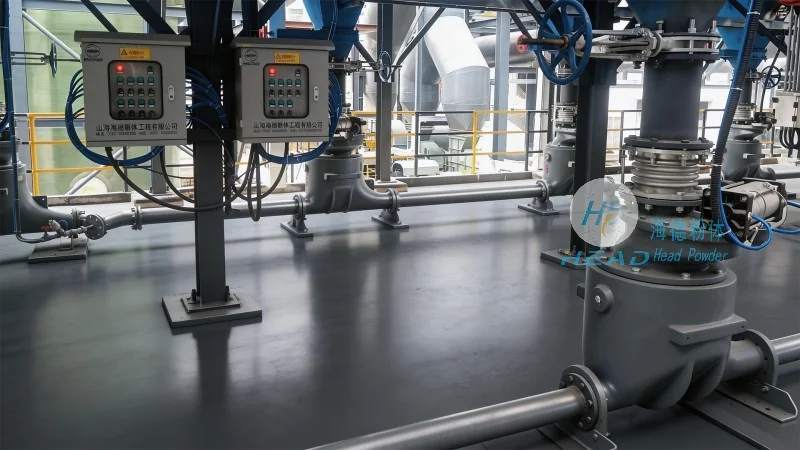
Company Overview and Expertise
Shandong HeadPowder Engineering Co., Ltd., based in Shandong, China, is dedicated to delivering high-quality powder processing solutions. With years of experience in the industry, the company has developed a strong reputation for its innovative designs and reliable performance in handling various powder materials, including mica powder. HeadPowder's engineering team focuses on understanding the unique properties of each powder type to design systems that ensure efficient, safe, and cost-effective material transport.
Understanding Negative Pressure Pneumatic Conveying
Negative pressure pneumatic conveying, also known as vacuum conveying, is a method used to transport dry powders and granules through a pipeline using a vacuum pump to create a pressure differential. This technique is particularly suitable for mica powder due to its light weight and potential for dust generation. The system operates by drawing material from a source (such as a hopper or storage silo) into a vacuum chamber, where it is then conveyed to the destination point under controlled conditions. This approach offers several advantages over positive pressure systems, including lower energy consumption, reduced product degradation, and improved safety by minimizing dust exposure.
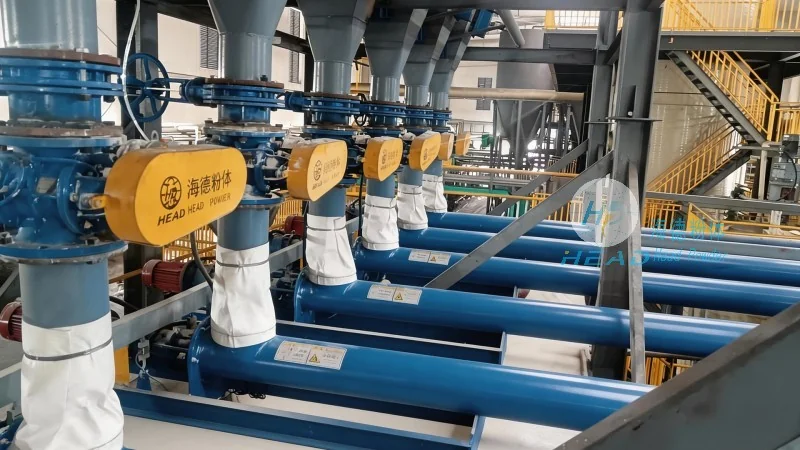
Key Components of the Mica Powder Conveying System
The negative pressure pneumatic conveying system for mica powder consists of several critical components that work in tandem to ensure optimal performance. These include:
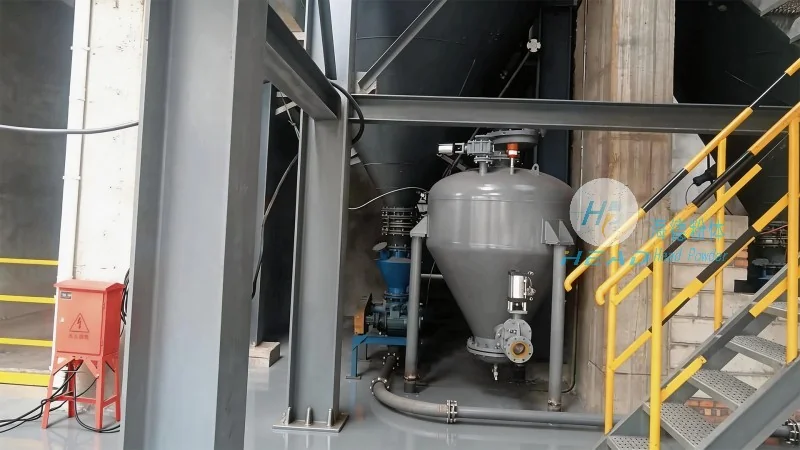
- Vacuum Pump: The heart of the system, the vacuum pump generates the necessary negative pressure to draw material through the pipeline. High-efficiency, low-noise vacuum pumps are typically used to handle fine powders like mica without causing clogging or degradation.
- Feed Hopper and Inlet Valve: The feed hopper stores the mica powder and provides a controlled feed to the system. The inlet valve, often a rotary or slide valve, regulates the flow of material into the vacuum chamber, preventing backflow and ensuring consistent operation.
- Conveying Pipeline: The pipeline is constructed from materials resistant to the chemical properties of mica powder, such as stainless steel or specialized plastic composites, to prevent corrosion and material buildup. The pipeline design includes bends and fittings that minimize pressure loss and maintain a smooth flow.
- Receiver and Outlet Valve: The receiver is the destination container where the conveyed mica powder is deposited. The outlet valve controls the discharge of material from the receiver, ensuring a clean and controlled release. Some systems may include a filter or cyclone to separate any entrained air from the powder before it reaches the receiver.
- Control System: An automated control system monitors and regulates the operation of the vacuum pump, inlet and outlet valves, and other components. This system ensures precise control over the conveying process, allowing for adjustments based on material characteristics and operational requirements.
Design Considerations for Mica Powder
Designing a negative pressure pneumatic conveying system for mica powder requires careful consideration of the material's physical properties. Mica powder is typically fine, with a high specific surface area, which can lead to issues like caking, agglomeration, and increased friction in the pipeline. To address these challenges, the system design incorporates features such as:
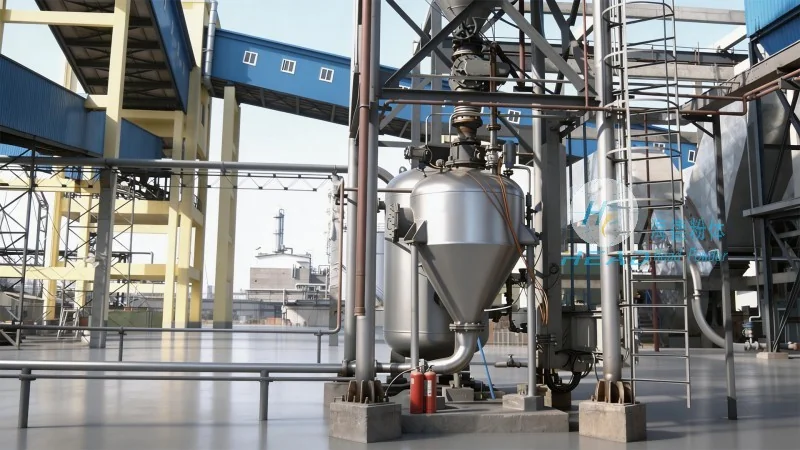
- Pre-drying and Conditioning: Some systems include pre-drying or conditioning steps to reduce moisture content and prevent agglomeration, ensuring the powder remains free-flowing and easy to convey.
- Low-Speed Conveying: The conveying velocity is kept at a moderate level to prevent particle damage and reduce wear on the pipeline and components.
- Filter and Cyclone Systems: High-efficiency filters or cyclones are used to separate the mica powder from the air stream, preventing dust contamination and protecting downstream equipment.
- Material Compatibility: All components in contact with the mica powder are selected for their resistance to the powder's chemical and physical properties, minimizing the risk of corrosion or degradation.
Operational Advantages and Benefits
The negative pressure pneumatic conveying system for mica powder offers several operational advantages that make it an ideal choice for industrial applications. These benefits include:
- Efficient Material Transport: The system ensures reliable and continuous transport of mica powder from storage to processing or packaging areas, reducing downtime and improving productivity.
- Low Energy Consumption: Compared to positive pressure systems, negative pressure conveying requires less energy, resulting in lower operational costs and reduced environmental impact.
- Enhanced Safety: By operating under vacuum conditions, the system minimizes dust exposure, reducing the risk of respiratory issues and improving workplace safety.
- Product Integrity: The gentle handling of the powder during transport preserves its quality, ensuring that the final product meets the required specifications for purity and particle size.
- Space Efficiency: The compact design of the system allows for installation in confined spaces, making it suitable for facilities with limited floor space.
Conclusion
Shandong HeadPowder Engineering Co., Ltd. provides comprehensive design and manufacturing solutions for negative pressure pneumatic conveying systems tailored to the unique needs of mica powder applications. By leveraging advanced engineering principles and high-quality components, the company ensures that its systems deliver reliable performance, enhanced safety, and improved efficiency. For industries requiring efficient and safe transport of mica powder, the negative pressure pneumatic conveying system from HeadPowder is a superior choice that meets the highest standards of industrial processing.