

Design of a Negative Pressure Pneumatic Conveying System for Iron Concentrate Powder
The negative pressure pneumatic conveying system for iron concentrate powder is a specialized industrial solution engineered to efficiently transport fine powders like iron concentrate over medium to long distances. This system operates by creating a vacuum in the conveying line, which draws the powder from the source to the destination. The design incorporates advanced engineering principles to ensure optimal performance, reliability, and safety in handling iron concentrate, a critical material in the steel production industry.
Key Components and Their Functions in the System Design
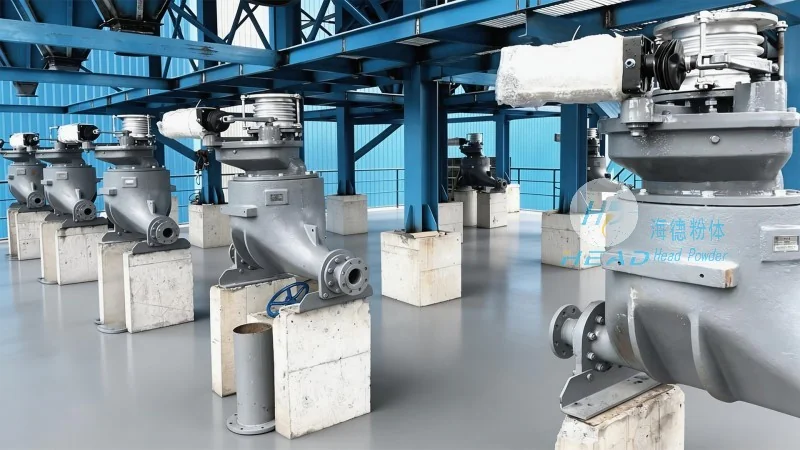
The system consists of several core components, each playing a vital role in the efficient operation of the iron concentrate conveying process. The primary components include the material feed hopper, the vacuum pump, the conveying pipeline, the dust collection system, and the discharge hopper. The feed hopper is designed to store and meter the iron concentrate powder, ensuring a consistent flow into the system. The vacuum pump generates the necessary negative pressure to create the suction force that pulls the powder through the pipeline. The conveying pipeline is typically made of high-quality materials such as stainless steel or corrosion-resistant alloys to withstand the abrasive nature of iron concentrate and prevent material buildup. The dust collection system is integrated to capture any airborne particles, ensuring environmental compliance and maintaining a clean working environment. The discharge hopper is used to collect the conveyed iron concentrate at the destination point, facilitating further processing or storage.
Engineering Considerations for Optimal Performance
Designing a negative pressure pneumatic conveying system for iron concentrate requires careful consideration of several engineering factors to ensure efficiency and reliability. One of the critical considerations is the particle size and moisture content of the iron concentrate, as these properties affect the flow characteristics and the risk of clogging. The system is designed to handle fine powders with particle sizes typically ranging from 10 to 200 microns, which are common in iron concentrate applications. Moisture content is also a key factor, as excessive moisture can lead to agglomeration and blockages in the pipeline. The system incorporates features such as pre-drying or moisture control mechanisms to mitigate these issues. Another important consideration is the conveying distance and the layout of the pipeline. The system is engineered to handle conveying distances up to several hundred meters, with the pipeline design optimized to minimize pressure drop and energy consumption. The system also considers the need for flexibility in the pipeline layout, allowing for changes in the conveying route without significant modifications to the overall system. Additionally, the system is designed with safety features to prevent overpressure and ensure the safe operation of the vacuum pump and other components.
Advantages of the Negative Pressure Pneumatic Conveying System
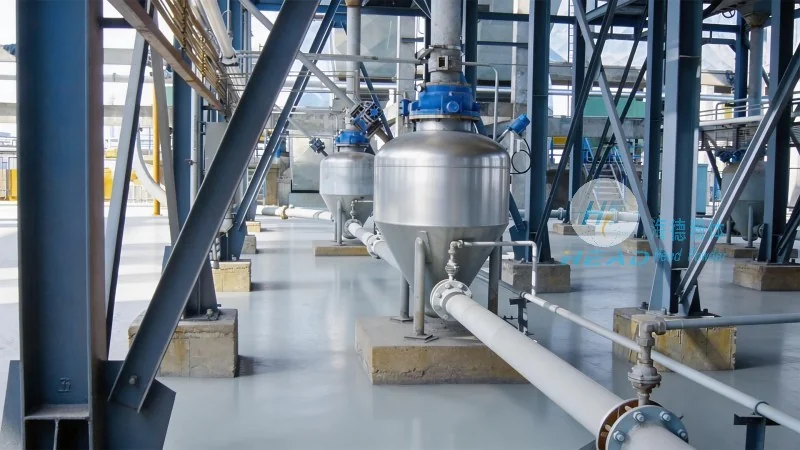
The negative pressure pneumatic conveying system for iron concentrate offers several advantages over traditional conveying methods. One of the main advantages is the ability to transport the material in a closed system, which prevents dust emissions and protects the environment. This is particularly important for iron concentrate, which can be a source of air pollution if not handled properly. The closed system also ensures that the material remains clean and free from contamination, which is crucial for maintaining the quality of the iron concentrate for downstream processing. Another advantage is the high efficiency and reliability of the system. The negative pressure operation allows for consistent and continuous material flow, reducing downtime and increasing productivity. The system is also designed to be energy-efficient, with the vacuum pump and other components optimized to minimize energy consumption. Additionally, the system is easy to install and maintain, with modular components that can be replaced or upgraded as needed. This reduces the overall cost of ownership and ensures long-term operation.
Application and Installation in Industrial Settings
The negative pressure pneumatic conveying system for iron concentrate is widely used in various industrial settings, particularly in the steel and mining industries. It is commonly used to transport iron concentrate from storage silos to processing plants, or from processing plants to storage facilities. The system can also be used to transport iron concentrate between different processing stages, such as from crushing and grinding to pelletizing or sintering. The installation of the system typically involves the following steps: first, the site is prepared and the pipeline layout is determined. Then, the components are installed and connected, including the feed hopper, vacuum pump, and conveying pipeline. The system is then tested and commissioned to ensure that it operates as designed. The installation process is carefully planned to minimize disruption to the existing operations and to ensure that the system is installed in compliance with safety regulations. The system is also designed to be compatible with existing infrastructure, allowing for easy integration into existing industrial facilities.
Maintenance and Operational Guidelines for Long-Term Performance
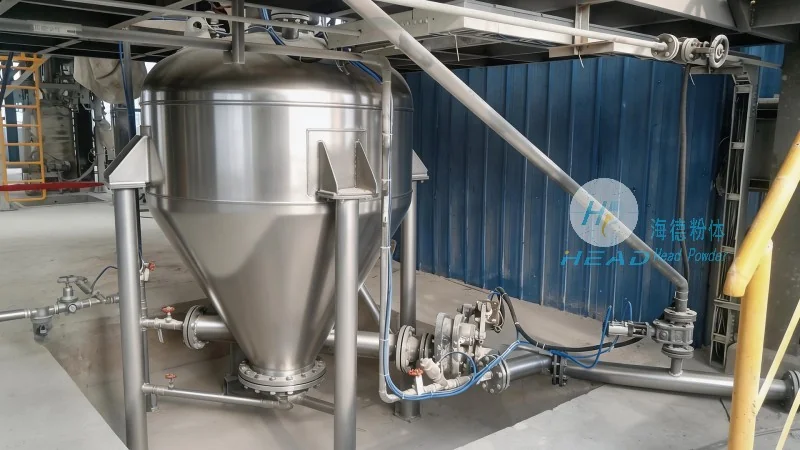
To ensure the long-term performance and reliability of the negative pressure pneumatic conveying system for iron concentrate, regular maintenance and proper operational guidelines are essential. The system requires regular inspection and maintenance of the components to prevent wear and tear and to identify any potential issues before they become major problems. The vacuum pump is a critical component and requires regular maintenance, including oil changes and filter replacements, to ensure optimal performance. The conveying pipeline should be inspected regularly for any signs of wear or corrosion, and any damaged sections should be replaced immediately. The dust collection system should also be inspected regularly to ensure that it is functioning properly and that the filters are clean. The feed hopper and discharge hopper should be checked for any material buildup or blockages, and the hopper liners should be replaced as needed. Operational guidelines include maintaining the correct operating pressure and flow rate, monitoring the system for any unusual noises or vibrations, and following the manufacturer's instructions for maintenance and troubleshooting. By following these guidelines, the system can operate efficiently and reliably for many years, providing consistent and high-quality performance.
Conclusion: The Importance of Advanced Pneumatic Conveying Solutions
In conclusion, the negative pressure pneumatic conveying system for iron concentrate is a highly effective and reliable solution for transporting fine powders in industrial applications. The system is designed with advanced engineering principles to ensure optimal performance, efficiency, and safety. It offers several advantages over traditional conveying methods, including closed system operation, high efficiency, and easy maintenance. The system is widely used in the steel and mining industries and is an essential part of the iron concentrate processing workflow. By investing in a high-quality negative pressure pneumatic conveying system, industrial facilities can improve their productivity, reduce costs, and ensure the quality of their iron concentrate products. The system is a testament to the importance of advanced engineering solutions in modern industrial operations, and it will continue to play a vital role in the future of the steel industry.