

Types and Practical Applications of Pneumatic Conveying Systems for Cement Raw Material Handling
Pneumatic conveying systems are critical in the efficient and reliable transport of cement raw materials within industrial settings. These systems utilize air or other gases to move bulk materials such as limestone, clay, and iron ore from one location to another, offering benefits like reduced dust, minimized material degradation, and enhanced safety compared to traditional mechanical conveying methods. The choice of an appropriate pneumatic conveying system depends on factors including the type of raw material, the distance to be covered, and the required throughput. Understanding the different types and practical applications of these systems is essential for optimizing material handling processes in cement production.
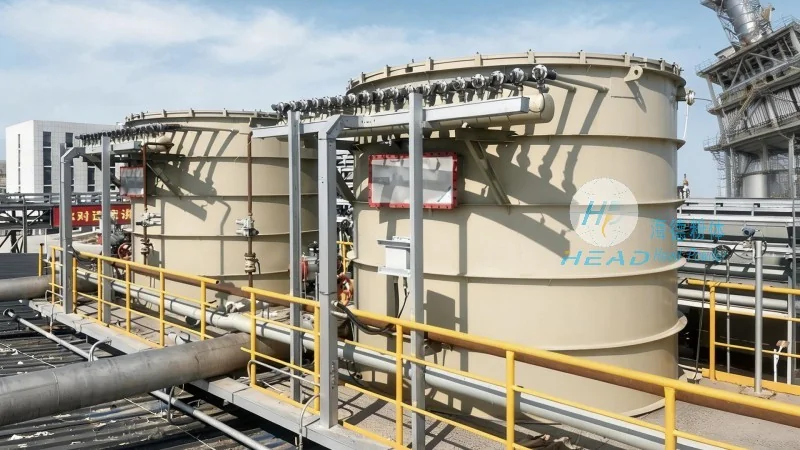
Types of Pneumatic Conveying Systems
Several types of pneumatic conveying systems are commonly employed in cement raw material handling, each with unique characteristics and applications. The main categories include:
- Positive Pressure Systems: These systems operate by blowing air into the conveying line, creating a positive pressure that propels the material forward. They are ideal for short to medium distances and are commonly used for transporting fine powders like limestone and clay. Positive pressure systems are generally more cost-effective and easier to install compared to negative pressure systems.
- Negative Pressure (Vacuum) Systems: Conversely, negative pressure systems create a vacuum in the conveying line, drawing material into the system. This method is suitable for longer distances and for handling materials that are more prone to dust generation or require a cleaner environment. Negative pressure systems are often used for transporting bulk materials over distances of several hundred meters or more.
- Combined (Bidirectional) Systems: These systems can function in both positive and negative pressure modes, providing flexibility for different material handling scenarios. They are particularly useful when the material needs to be transported in both directions or when the system must adapt to varying process conditions.
Each system type has its own advantages and limitations, and the selection depends on the specific requirements of the cement production facility. For example, positive pressure systems are preferred for short-distance transport of fine powders, while negative pressure systems are more suitable for longer distances or when handling dusty materials.
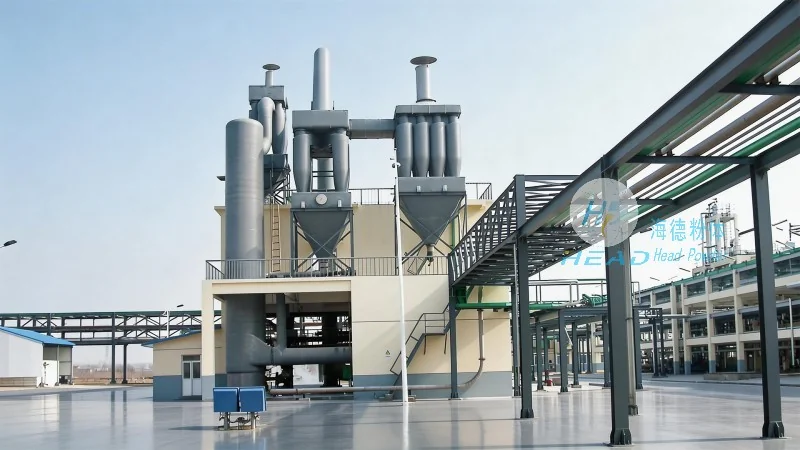
Practical Applications in Cement Raw Material Handling
Pneumatic conveying systems are widely applied in various stages of cement raw material processing. Key applications include:
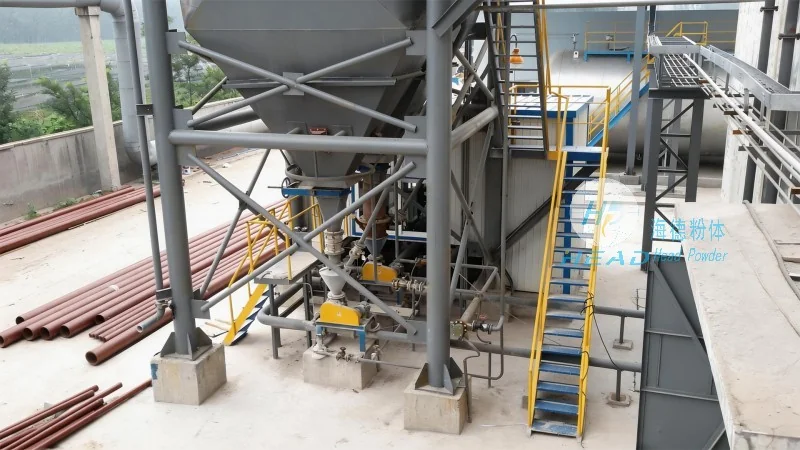
- Raw Material Storage and Transfer: From bulk storage silos or stockpiles, raw materials are conveyed to grinding mills or preheater systems. Pneumatic systems efficiently move large quantities of limestone, clay, and other raw materials, ensuring a continuous supply to the production line.
- Grinding and Preheating: After initial crushing, raw materials are ground into fine powders and then preheated in the preheater tower. Pneumatic conveying is used to transport these fine powders between grinding mills and the preheater, maintaining consistent material flow and temperature control.
- Raw Meal Preparation: The mixed raw materials are conveyed to the rotary kiln or precalciner for calcination. Pneumatic systems ensure that the raw meal is delivered to the kiln at the correct temperature and composition, which is critical for achieving optimal clinker quality.
- Dust Collection and Recovery: In some cases, pneumatic conveying systems are integrated with dust collection equipment to capture and recycle fine particles lost during transport. This improves environmental compliance and reduces material loss, contributing to cost savings.
The practical application of these systems significantly enhances cement production efficiency and reliability. By minimizing material handling time and reducing breakdown risks, pneumatic conveying systems help cement manufacturers maintain high production rates and improve product quality.
About Shandong HeadPowder Engineering Co., Ltd.
Shandong HeadPowder Engineering Co., Ltd., operating under the brand name headpowder, is a leading provider of specialized engineering solutions for the cement and bulk material handling industries. With a focus on innovation and customer satisfaction, the company designs, manufactures, and installs advanced pneumatic conveying systems tailored to cement production facility needs. HeadPowder's expertise lies in understanding complex raw material transport requirements and developing customized solutions that optimize process efficiency, reduce operational costs, and ensure industry standard compliance. The company's commitment to quality and reliability has made it a trusted partner for cement manufacturers seeking to enhance their material handling capabilities.