

Types and Practical Applications of Pneumatic Conveying Systems for Polyacrylamide Transport
When it comes to transporting polyacrylamide (PAM), a critical polymer widely used in water treatment and industrial processes, selecting the right conveying system is essential for efficiency, safety, and cost-effectiveness. Pneumatic conveying systems offer a versatile solution, and understanding the different types and their practical applications is key to optimizing operations. This article explores the primary types of pneumatic conveying systems used for polyacrylamide transport and their real-world implementations.
Types of Pneumatic Conveying Systems
There are two main categories of pneumatic conveying systems: positive pressure and negative pressure systems. Each has distinct characteristics and is suited to different operational needs.
Positive Pressure Conveying Systems
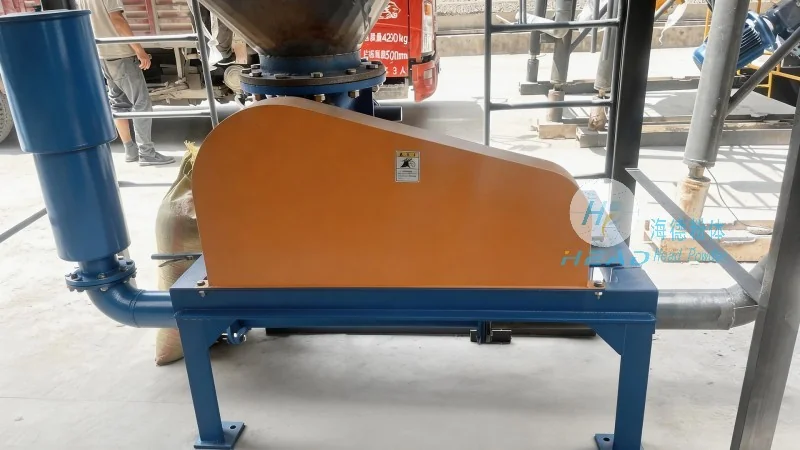
Positive pressure systems operate by blowing air or gas into the conveying line, pushing the material forward. This method is ideal for applications requiring high flow rates and long-distance transport. The system typically includes a blower, a hopper for material storage, and a discharge point at the destination. For polyacrylamide, which is often in powder or granular form, positive pressure systems can handle bulk quantities efficiently. The continuous flow of air ensures that the material is moved without clogging, making it suitable for high-volume production lines. A key advantage is the ability to maintain a positive pressure environment, which prevents contamination from external air and keeps the material dry. This is particularly important for polyacrylamide, as moisture can affect its performance in water treatment applications.
Negative Pressure Conveying Systems
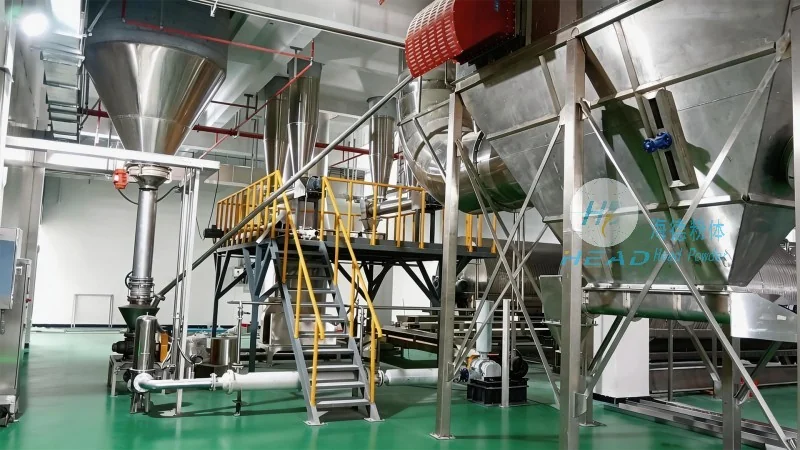
Negative pressure systems, also known as suction systems, work by creating a vacuum in the conveying line, drawing the material from the source. This approach is often used for shorter distances and when the material needs to be collected from multiple points. The system consists of a vacuum pump, a collection hopper, and a discharge unit. For polyacrylamide, negative pressure systems are effective for handling fine powders that might be prone to dusting. The vacuum helps in controlling dust emissions, which is a significant consideration in industrial settings. However, these systems may have limitations in terms of flow rate compared to positive pressure systems, making them more suitable for moderate volumes.
Hybrid Pneumatic Conveying Systems
Hybrid systems combine elements of both positive and negative pressure, offering flexibility in handling different material characteristics and operational requirements. These systems can switch between pressure and suction modes as needed, providing adaptability for varied polyacrylamide applications. For instance, a hybrid system might use positive pressure for the initial transport from the storage silo and negative pressure for the final delivery to the processing unit. This flexibility allows for optimized energy use and reduced operational costs. In the context of polyacrylamide, hybrid systems are particularly useful when dealing with both powder and liquid forms of the polymer, as they can handle transitions between these states without significant downtime.
Practical Applications in Polyacrylamide Transport
The choice of pneumatic conveying system depends on the specific application of polyacrylamide. In water treatment plants, for example, polyacrylamide is used as a coagulant and flocculant to clarify water. The conveying system must ensure that the polymer is delivered to the mixing tank in a controlled manner to avoid clumping or uneven distribution. Positive pressure systems are often preferred here due to their ability to maintain consistent flow rates and prevent moisture absorption. In industrial manufacturing, polyacrylamide may be used in the production of paper and textiles, where it acts as a thickening agent. The conveying system needs to handle the polymer from storage to the production line, ensuring that it is available in the right quantity and form. Negative pressure systems can be beneficial in these settings when the material is collected from a dust collector or a storage bin, as they help in minimizing dust exposure and maintaining a clean environment.
Considerations for Selecting the Right System
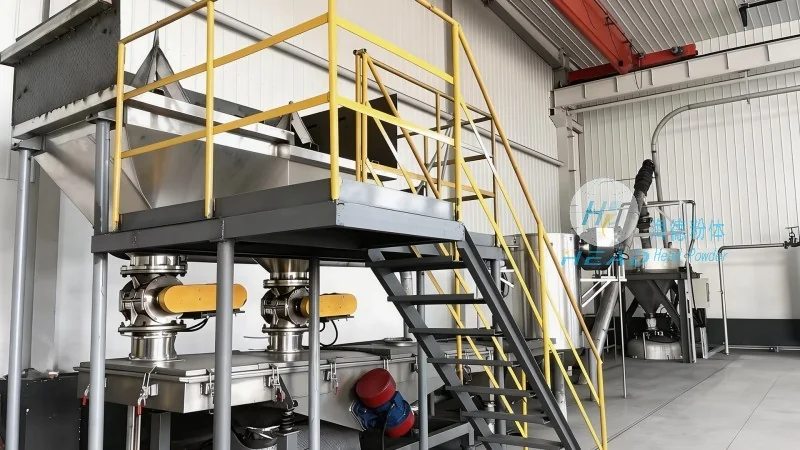
When selecting a pneumatic conveying system for polyacrylamide transport, several factors must be considered. The first is the material's physical properties, such as particle size, moisture content, and flowability. Polyacrylamide powders can vary in these characteristics, and the system must be designed to handle the specific type. For example, fine powders may require higher air velocities to prevent clogging, while larger granules can be conveyed at lower velocities. The distance between the source and destination is another critical factor. Longer distances may necessitate positive pressure systems with higher air pressure to maintain flow. The volume of material to be transported also plays a role; high-volume applications benefit from positive pressure systems, while moderate volumes can use negative pressure or hybrid systems. Additionally, the need for dust control and environmental compliance is important, as polyacrylamide is a fine powder that can cause respiratory issues if not handled properly. Systems with enclosed hoppers and sealed conveying lines are recommended to minimize dust emissions.
Conclusion
Pneumatic conveying systems offer an effective and efficient method for transporting polyacrylamide, a vital polymer in various industries. By understanding the different types—positive pressure, negative pressure, and hybrid—and their practical applications, businesses can select the most suitable system for their specific needs. The choice of system impacts operational efficiency, safety, and cost, making it a critical decision in polyacrylamide handling. As a leading provider in the field, Shandong HeadPowder Engineering Co., Ltd., based in China, specializes in designing and implementing these systems to meet the unique requirements of their clients. With a focus on quality and performance, HeadPowder ensures that polyacrylamide is transported safely and efficiently, supporting the success of water treatment and industrial processes worldwide.