

Types and Practical Applications of Pneumatic Conveying Systems for Graphite Anode Material Particle
In the field of lithium-ion battery manufacturing, the efficient and reliable transport of graphite anode material particles is crucial for maintaining production line stability and product quality. Pneumatic conveying systems have emerged as a key technology for handling these fine particles, offering advantages such as dust-free operation, low maintenance requirements, and the ability to transport materials over long distances without the need for mechanical components. This article explores the different types of pneumatic conveying systems used in graphite anode material particle transport and their practical applications, highlighting the importance of selecting the right system for specific industrial needs.
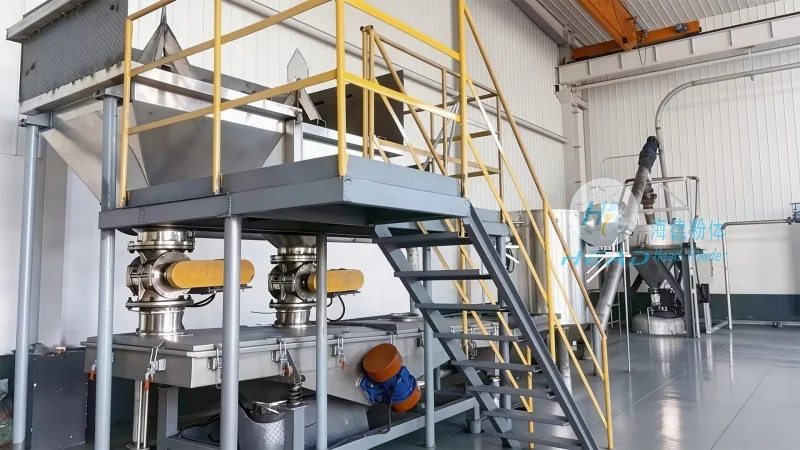
Types of Pneumatic Conveying Systems for Graphite Anode Material Transport
There are several types of pneumatic conveying systems commonly used in the transport of graphite anode material particles, each with distinct characteristics and applications. The primary categories include:
- Positive Pressure Conveying: This system uses a positive pressure air stream to push material through a pipeline. It is suitable for short to medium distance transport and is often used for handling dry, free-flowing materials like graphite powder. The positive pressure system ensures that the material is continuously moved forward, reducing the risk of clogging and ensuring consistent flow rates.
- Negative Pressure (Vacuum) Conveying: In contrast, negative pressure systems use a vacuum to draw material into the pipeline. This method is ideal for applications requiring material to be collected from multiple points or for transporting materials over longer distances where the material may be more prone to dust or contamination. Negative pressure systems are commonly used in environments where dust control is a priority, as the vacuum helps to contain particles within the system.
- Combined Pressure-Vacuum Conveying: This hybrid system combines elements of both positive and negative pressure operations. It is particularly useful for complex transport routes that involve both delivery and collection points, allowing for more flexible material handling. The system can switch between pressure and vacuum modes as needed, optimizing the transport process for varied operational requirements.
Each type of system has its own advantages and limitations, and the choice depends on factors such as the particle size, moisture content, and the distance and layout of the production line. For graphite anode material, which typically consists of fine particles with a high specific surface area, positive pressure systems are often preferred due to their ability to handle the material's flow characteristics effectively.
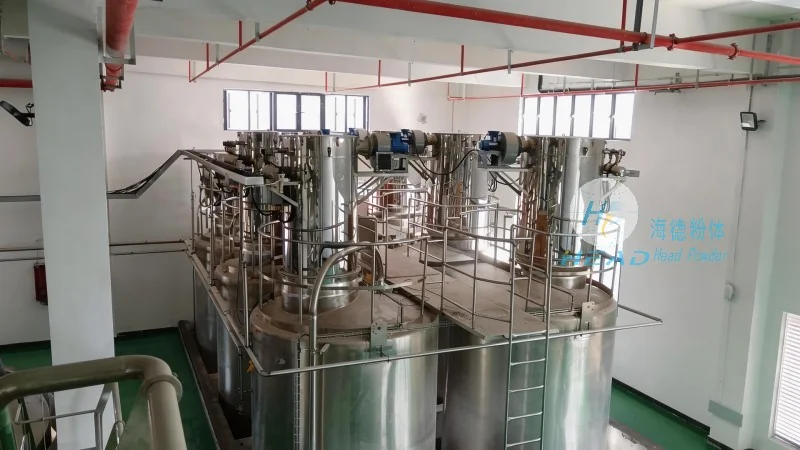
Practical Applications of Pneumatic Conveying Systems in Graphite Anode Material Handling
Pneumatic conveying systems are widely used in various stages of graphite anode material processing, from raw material handling to final product packaging. Some key practical applications include:
- Raw Material Transport: From storage silos to the mixing and grinding stages, pneumatic conveying systems efficiently transport graphite powder without the need for manual handling or bulk containers. This reduces labor costs and minimizes the risk of material contamination, ensuring that the raw material remains in its optimal condition for subsequent processing.
- Intermediate Product Transfer: Between different processing units, such as from the grinding mill to the classification and drying equipment, pneumatic conveying systems provide a seamless transfer of graphite anode material. This continuous flow helps maintain the material's uniformity and prevents the accumulation of material in intermediate storage areas, which could lead to quality issues or equipment downtime.
- Final Product Packaging: In the final stages of production, pneumatic conveying systems are used to transport the finished graphite anode material to packaging lines. The systems ensure that the material is delivered in a controlled manner, allowing for accurate filling of containers and reducing the risk of spills or overfilling. This is critical for maintaining product consistency and meeting customer specifications.
By integrating pneumatic conveying systems into the production process, manufacturers can achieve higher throughput, reduce operational costs, and improve overall product quality. The systems also contribute to a safer working environment by minimizing manual handling of fine particles and reducing dust emissions.
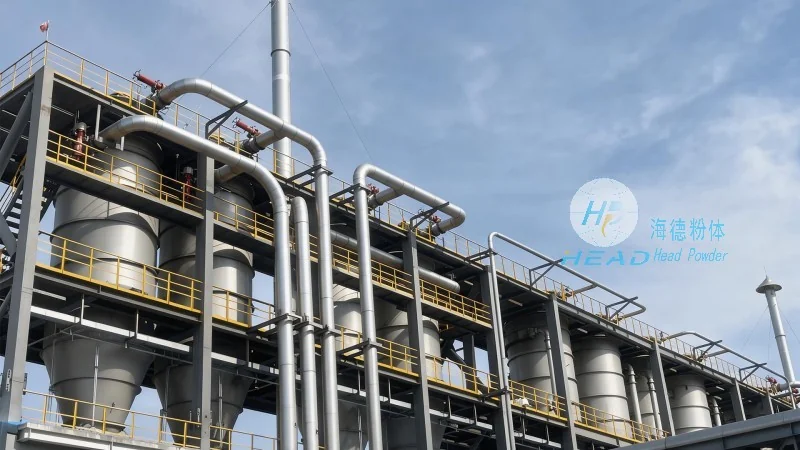
Case Study: Application of Pneumatic Conveying Systems by Shandong HeadPowder Engineering Co., Ltd.
Shandong HeadPowder Engineering Co., Ltd., a leading provider of material handling solutions, has successfully implemented pneumatic conveying systems for graphite anode material transport in several lithium-ion battery manufacturing facilities. The company's expertise in designing and installing customized systems has enabled clients to optimize their material handling processes, leading to improved efficiency and reduced downtime.
For example, one client, a major lithium-ion battery manufacturer, implemented a positive pressure pneumatic conveying system to transport graphite anode material from a storage silo to a mixing line. The system was designed to handle the specific particle size and moisture content of the graphite powder, ensuring consistent flow rates and minimal material loss. The implementation resulted in a 20% increase in production throughput and a 15% reduction in maintenance costs, demonstrating the effectiveness of the system in real-world applications.
Another case involved a negative pressure system used to collect graphite anode material from multiple grinding stations and transport it to a central collection point. The system's ability to handle the fine particles and maintain a dust-free environment was crucial for meeting environmental regulations and ensuring worker safety. The client reported improved material recovery rates and reduced dust emissions, which contributed to a more sustainable and compliant operation.
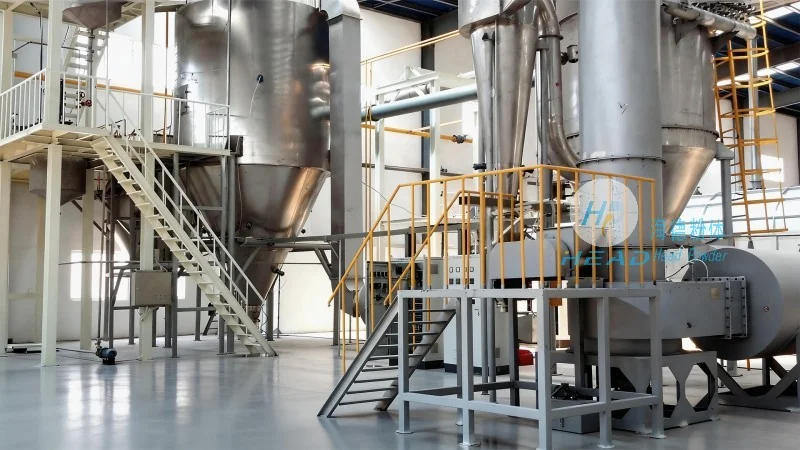
Conclusion and Recommendations
Pneumatic conveying systems play a vital role in the efficient and reliable transport of graphite anode material particles in lithium-ion battery manufacturing. The choice of system type—positive pressure, negative pressure, or combined—depends on the specific requirements of the production line, including distance, material characteristics, and environmental considerations. By selecting the appropriate system and integrating it into the overall production process, manufacturers can achieve significant improvements in productivity, cost-effectiveness, and product quality.
For businesses seeking to enhance their material handling capabilities, partnering with a specialized engineering company like Shandong HeadPowder Engineering Co., Ltd. can provide the expertise and customized solutions needed to optimize their operations. With a focus on efficiency, reliability, and sustainability, these systems offer a long-term solution for the evolving demands of the battery industry.