

[Pneumatic Conveying for Bulk Handling of Red Beans]
When it comes to the efficient and reliable transportation of bulk materials like red beans, pneumatic conveying systems offer a robust solution. This article explores the application of pneumatic conveying technology in the context of red bean bulk handling, highlighting the benefits and practical considerations for industries involved in the processing and distribution of this popular legume.
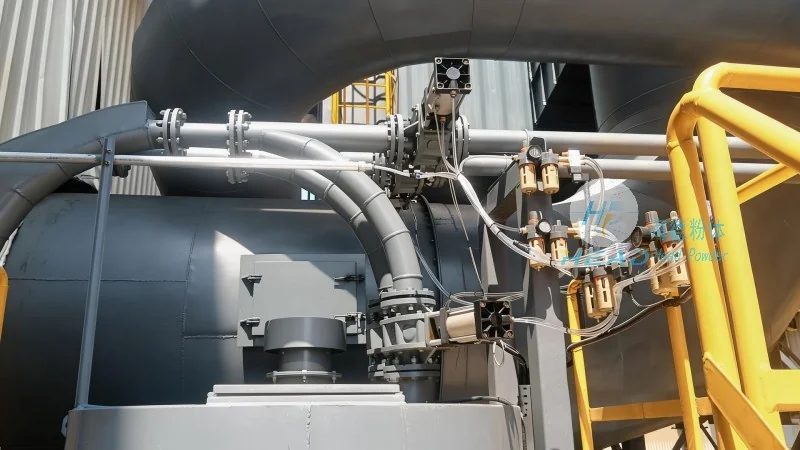
Understanding Pneumatic Conveying Systems
Pneumatic conveying, also known as air conveying, is a method of transporting bulk materials through a pipeline using a stream of pressurized or vacuum air. This technology is widely used in various industries due to its ability to handle a wide range of materials, including grains, seeds, and legumes like red beans. The system typically consists of a hopper, a conveyor line, and a discharge point, with air moving the material from one location to another.
Benefits of Pneumatic Conveying for Red Beans
For red bean processors and distributors, pneumatic conveying offers several advantages. Firstly, it provides a clean and hygienic method of handling food-grade products, minimizing contamination risks. Secondly, the system can handle materials with varying moisture content and particle sizes, making it versatile for different types of red beans. Additionally, pneumatic conveying is energy-efficient compared to traditional methods like belt conveyors or bucket elevators, reducing operational costs over time.
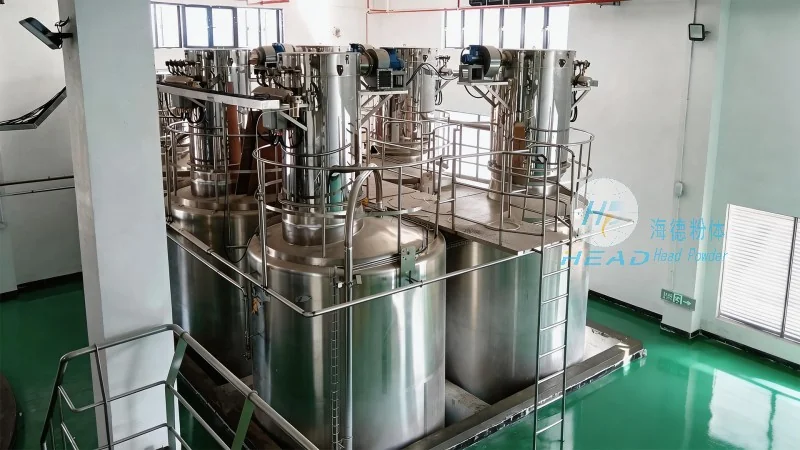
Key Components of a Pneumatic Conveying System for Red Beans
Implementing a pneumatic conveying system for red beans involves several critical components. The hopper is designed to store the red beans and feed them into the system at a controlled rate. The conveyor line, often made of stainless steel to ensure durability and food safety, transports the beans through the pipeline. The air mover, which can be a positive displacement blower or a vacuum pump, generates the necessary air pressure or vacuum to move the material. Finally, the discharge unit collects the red beans at the destination, ensuring a smooth and efficient transfer process.
Application Scenarios in Red Bean Processing
In the red bean processing industry, pneumatic conveying is commonly used in several stages. For example, after harvesting and cleaning, red beans are often transferred from storage silos to processing facilities using pneumatic systems. During the processing stage, such as sorting or packaging, the system can move red beans between different equipment without the need for manual handling. This not only improves efficiency but also maintains the quality and integrity of the product.
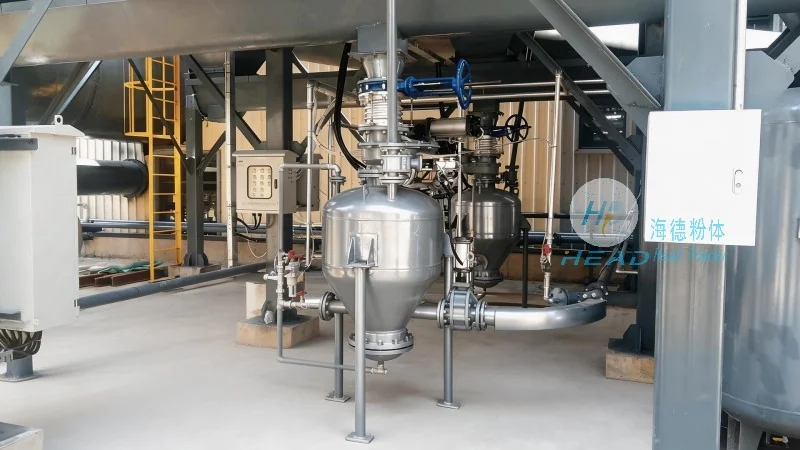
Case Study: HeadPowder Engineering's Pneumatic Conveying Solutions
Shandong HeadPowder Engineering Co., Ltd., a leading provider of bulk material handling solutions, specializes in designing and manufacturing customized pneumatic conveying systems tailored to the needs of red bean processors. With years of experience in the industry, HeadPowder has developed advanced systems that optimize the handling of red beans while ensuring compliance with food safety standards. The company's solutions are known for their reliability, efficiency, and adaptability, making them a preferred choice for businesses looking to enhance their red bean handling operations.
Conclusion
Pneumatic conveying is a highly effective method for the bulk handling of red beans, offering numerous benefits in terms of efficiency, hygiene, and cost-effectiveness. By leveraging advanced pneumatic conveying systems, red bean processors can streamline their operations and ensure the quality of their products. As a trusted partner in bulk material handling, Shandong HeadPowder Engineering Co., Ltd. continues to provide innovative solutions that meet the evolving needs of the red bean industry.