

Types, Features, and Applications of Plastic Pellet Pneumatic Conveying
Plastic pellet pneumatic conveying is a critical technology in material handling, particularly for transporting plastic granules efficiently and safely. This method utilizes air pressure or vacuum to move plastic pellets from one location to another, offering advantages over traditional mechanical conveying systems. The primary goal is to provide a reliable solution for industries dealing with plastic materials, ensuring minimal product degradation and optimal operational performance.
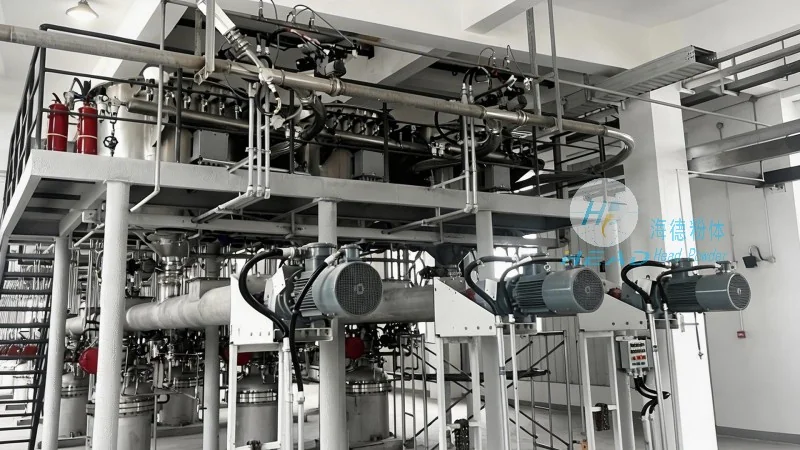
HeadPowder, a leading manufacturer in the field, specializes in designing and manufacturing advanced pneumatic conveying systems tailored for plastic pellet applications. With a focus on innovation and precision engineering, their systems are engineered to meet the specific needs of various industrial processes, from small-scale operations to large-scale production lines.
The core of plastic pellet pneumatic conveying lies in its ability to handle delicate materials without causing damage. Unlike mechanical systems that may lead to abrasion or breakage, pneumatic conveying uses air to gently transport pellets, preserving their integrity. This is especially important for high-value plastic pellets used in manufacturing, where product quality directly impacts downstream processes and final product quality.
There are several types of pneumatic conveying systems used for plastic pellets, each with distinct characteristics and applications. The most common types include positive pressure systems, negative pressure (vacuum) systems, and hybrid systems. Positive pressure systems use compressed air to push material through a pipeline, while negative pressure systems use vacuum to draw material into the system. Hybrid systems combine both approaches to optimize performance for specific material and process requirements.
Positive pressure systems are widely used for long-distance and high-volume conveying, as they can handle large quantities of material with consistent pressure. These systems are typically more robust and require less maintenance compared to vacuum systems. However, they may generate more noise and require additional air filtration to manage dust and particulate matter.
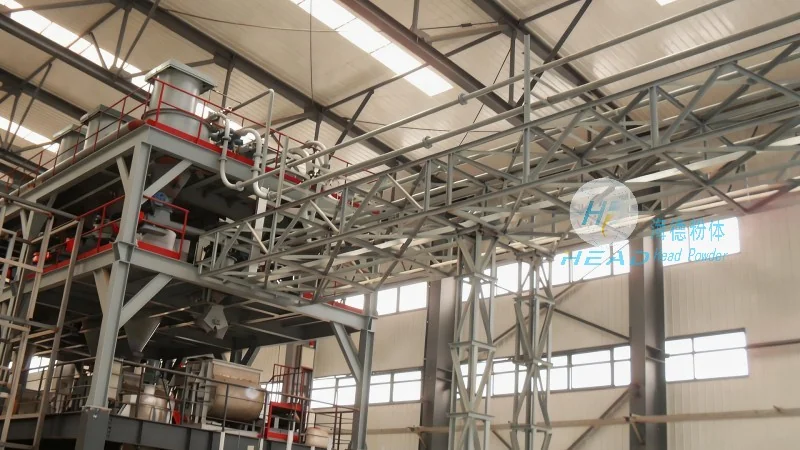
Negative pressure systems, on the other hand, are ideal for applications where dust control is a priority. They are commonly used in environments where minimizing airborne particles is crucial, such as in food or pharmaceutical industries. While they are effective at controlling dust, they may have limitations in terms of conveying distance and material capacity compared to positive pressure systems.
Hybrid systems offer a balanced approach, combining the benefits of both positive and negative pressure systems. They can be configured to use positive pressure for the initial conveying segment and negative pressure for the final delivery, optimizing energy efficiency and material handling. This flexibility makes hybrid systems suitable for a wide range of applications, from short-distance conveying to complex multi-stage processes.
Key features of plastic pellet pneumatic conveying systems include high efficiency, low maintenance, and the ability to handle a variety of plastic materials, including polyethylene, polypropylene, and other thermoplastics. These systems are designed to operate with minimal product loss and maximum throughput, ensuring that production lines run smoothly and efficiently. Additionally, modern systems incorporate advanced controls and monitoring capabilities, allowing for real-time adjustments to optimize performance and reduce downtime.
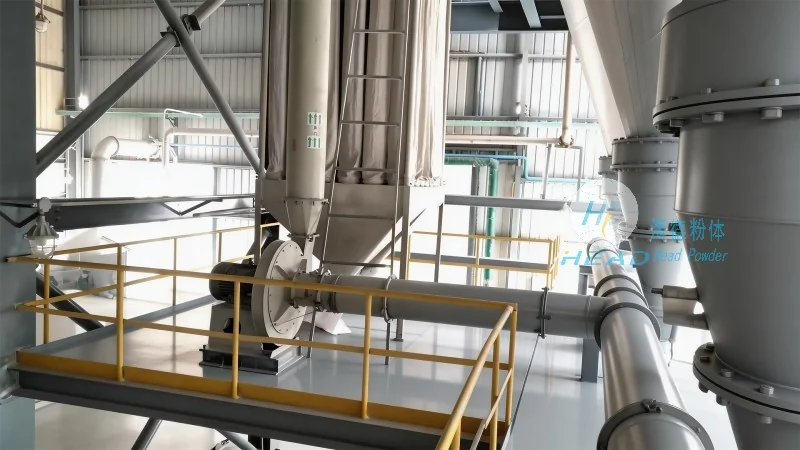
Applications of plastic pellet pneumatic conveying span across multiple industries, including plastic manufacturing, packaging, and recycling. In plastic manufacturing, these systems are used to transport raw materials from storage to processing equipment, ensuring a continuous supply of pellets for extrusion, injection molding, and other manufacturing processes. In packaging, they help in moving finished plastic products from production lines to packaging and shipping areas, streamlining the overall logistics. In recycling operations, pneumatic conveying is used to transport recycled plastic pellets from sorting facilities to reprocessing plants, facilitating the circular economy for plastic materials.
HeadPowder's expertise in plastic pellet pneumatic conveying is evident in their comprehensive product line, which includes various components such as blowers, filters, and control systems. Their systems are engineered to meet international standards and are designed for durability and reliability, ensuring long-term performance in demanding industrial environments. The company's commitment to quality and customer satisfaction has made them a trusted partner for businesses seeking efficient and effective material handling solutions.
When considering a pneumatic conveying system for plastic pellets, it is essential to evaluate factors such as material characteristics, conveying distance, and operational requirements. HeadPowder provides comprehensive consultation and customization services to help clients select the most suitable system for their specific needs. Their team of experts works closely with clients to understand their production processes and recommend optimal solutions that enhance productivity and reduce operational costs.
Overall, plastic pellet pneumatic conveying offers significant advantages over traditional material handling methods, making it a preferred choice for industries dealing with plastic materials. With advanced technology and expert engineering from companies like HeadPowder, these systems continue to evolve, providing reliable and efficient solutions for the modern manufacturing landscape.