

Types, Features, and Application Ranges of Stone Powder and Lime Pneumatic Conveying Systems
HeadPowder, a leading provider of material handling solutions, specializes in the design and implementation of pneumatic conveying systems for stone powder and lime. This article explores the various types of pneumatic conveying systems, their key characteristics, and the diverse applications where these systems excel.
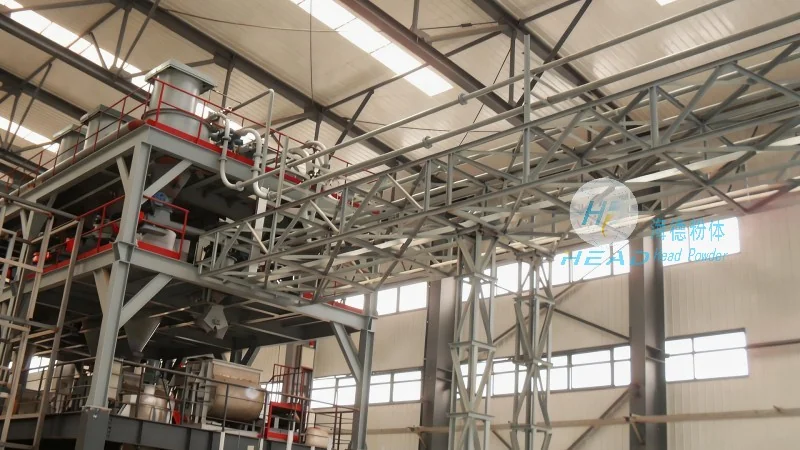
Introduction to Pneumatic Conveying Systems for Stone Powder and Lime
Stone powder and lime are widely used in construction, industrial processes, and environmental applications. Efficient and reliable material transport is crucial for optimizing production efficiency and ensuring product quality. Pneumatic conveying systems offer a versatile solution for handling these materials, which are often dusty, abrasive, or have specific flow characteristics. The choice of system type depends on factors such as material properties, distance, throughput requirements, and environmental considerations.
Types of Pneumatic Conveying Systems
There are primarily two main categories of pneumatic conveying systems: suction (or negative pressure) systems and pressure (or positive pressure) systems. Each type has distinct characteristics and is suited for different operational scenarios.
Suction (Negative Pressure) Pneumatic Conveying
Suction systems operate by creating a negative pressure at the material inlet, drawing the material into the system. This type is ideal for applications where the material is to be transported from multiple sources or over relatively short distances. The key advantages of suction systems include lower initial costs, simplicity in design, and the ability to handle materials from multiple points. However, they have limitations in terms of maximum conveying distance and throughput compared to pressure systems. The system typically consists of a vacuum pump, a material feed hopper, and a conveying line that transports the material to a collection point.
Pressure (Positive Pressure) Pneumatic Conveying
Pressure systems generate positive pressure within the conveying line, pushing the material from a central source to the destination. These systems are capable of handling higher volumes and longer distances compared to suction systems. They are particularly suitable for applications requiring high throughput and long-distance transport. The main components include a positive displacement blower or compressor, a material feed hopper, and a pressure-resistant conveying line. Pressure systems offer better control over material flow and can handle more abrasive or corrosive materials, making them a preferred choice for many industrial applications.
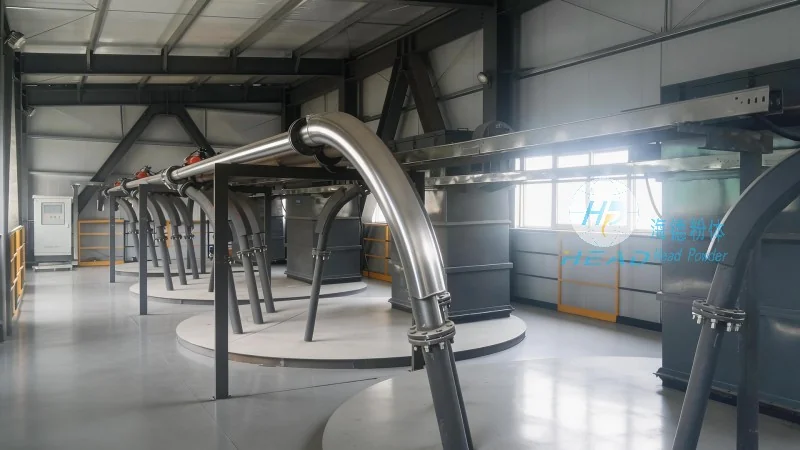
Key Features of Stone Powder and Lime Pneumatic Conveying Systems
Regardless of the system type, modern pneumatic conveying systems for stone powder and lime are designed with several key features to enhance performance and reliability. These features include:
1. Material Handling Flexibility: Systems are engineered to handle a wide range of particle sizes and moisture contents, ensuring compatibility with various stone powder and lime grades. This flexibility allows for the transport of different product types without the need for system modifications.
2. Low Maintenance Requirements: Advanced materials and robust construction reduce the need for frequent maintenance, minimizing downtime and operational costs. Components such as wear-resistant liners and high-efficiency filters are used to extend the system's lifespan.
3. Energy Efficiency: Optimized blower designs and system configurations help reduce energy consumption, leading to lower operational costs and a smaller environmental footprint. Variable speed drives are often incorporated to adjust airflow based on actual demand.
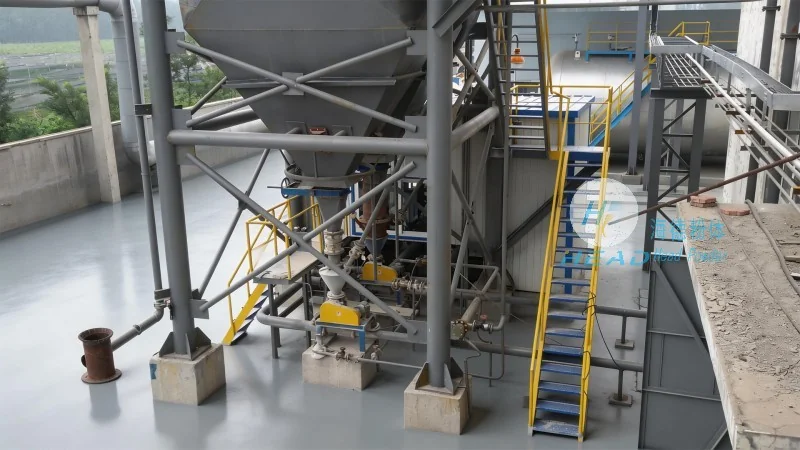
4. Environmental Compliance: Systems are equipped with dust collection and filtration systems to comply with environmental regulations. This ensures that the material is conveyed without releasing harmful particles into the environment, maintaining workplace safety and air quality.
Application Ranges of Pneumatic Conveying Systems
The versatility of pneumatic conveying systems makes them suitable for a broad range of applications involving stone powder and lime. Some of the key applications include:
1. Construction and Building Materials: In the construction industry, stone powder and lime are used as raw materials for cement production, mortar, and concrete. Pneumatic conveying systems efficiently transport these materials from storage silos to production lines, ensuring a steady supply for manufacturing processes.
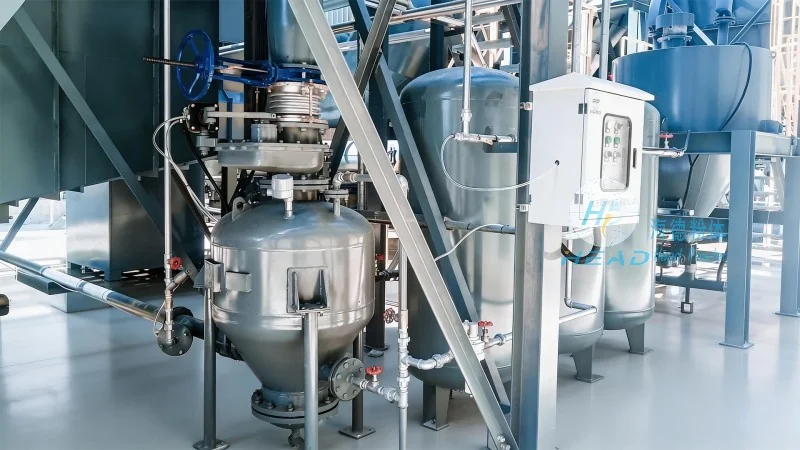
2. Industrial Processing: Many industrial processes, such as chemical manufacturing and food processing, require precise handling of stone powder and lime. These systems are used to transport raw materials to processing equipment, facilitating consistent production and quality control.
3. Environmental Remediation: In environmental applications, stone powder and lime are used for soil stabilization, acid neutralization, and wastewater treatment. Pneumatic conveying systems enable the efficient delivery of these materials to treatment sites, supporting environmental restoration efforts.
4. Mining and Mineral Processing: In mining operations, stone powder and lime are used as additives in ore processing and tailings management. The systems help transport these materials to processing plants, improving operational efficiency and reducing handling time.
Conclusion
Shandong HeadPowder Engineering Co., Ltd. specializes in providing customized pneumatic conveying solutions tailored to the specific needs of stone powder and lime handling. By understanding the different types of systems, their features, and application ranges, industries can select the most appropriate technology to enhance productivity, ensure material quality, and comply with environmental regulations. The company's expertise in material handling systems ensures that clients receive reliable, efficient, and cost-effective solutions for their material transport needs.