

Rare Earth Powder Technical Parameters and Conveying System Process
HeadPowder, a leading enterprise in the rare earth powder industry, specializes in providing comprehensive technical solutions for rare earth powder handling and conveying. This article delves into the critical technical parameters of rare earth powders and the advanced processes involved in their conveying systems, offering insights into the precision and efficiency required in modern material processing.
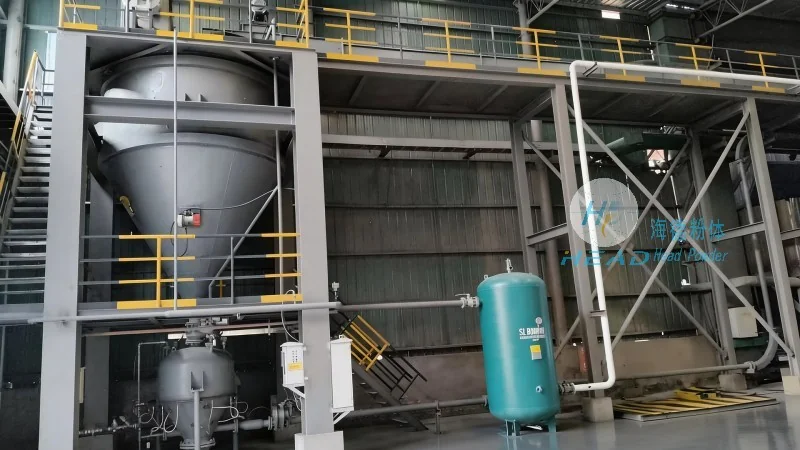
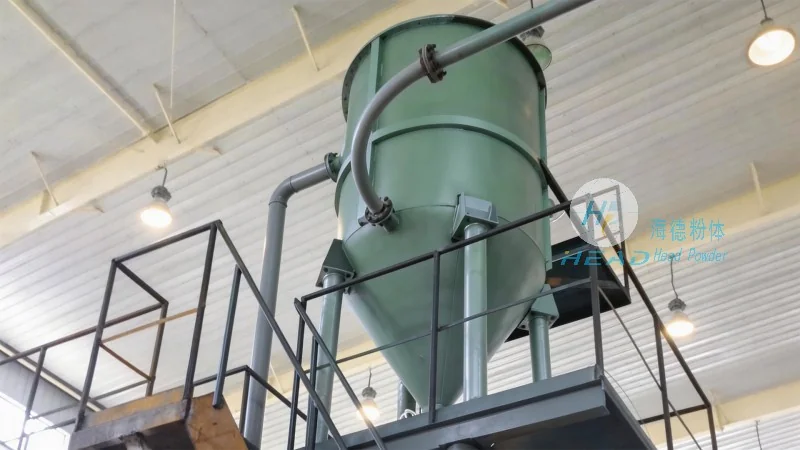
Technical Parameters of Rare Earth Powders
Understanding the technical parameters of rare earth powders is essential for ensuring optimal performance in various industrial applications. These parameters include particle size distribution, purity levels, moisture content, and bulk density, all of which directly impact the handling characteristics and end-product quality. For instance, the particle size distribution can range from sub-micron to micrometer scales, affecting the flowability and compaction properties of the powder. Purity levels are typically measured in terms of impurity content, with high-purity powders (e.g., >99.9%) required for specialized applications like electronics and aerospace. Moisture content is another critical factor, as excessive moisture can lead to clumping and reduced flowability, necessitating drying processes before handling. Bulk density, which indicates the density of the powder in its loose state, is crucial for designing storage and conveying equipment. HeadPowder's expertise lies in characterizing these parameters accurately, ensuring that clients receive powders tailored to their specific process requirements.
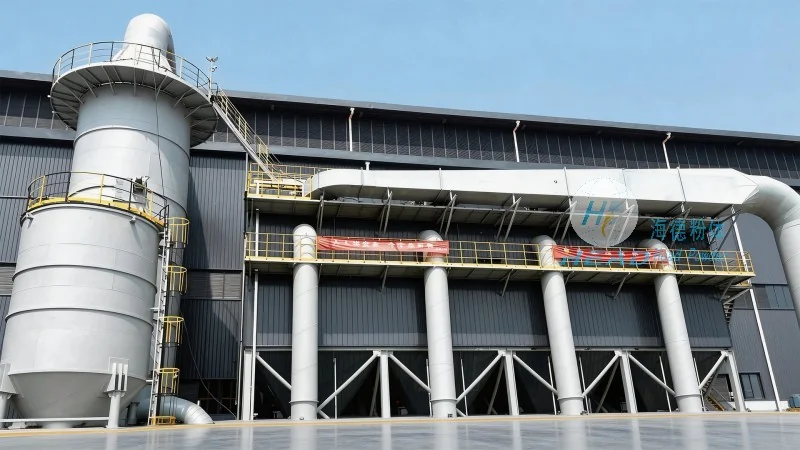
Conveying System Process for Rare Earth Powders
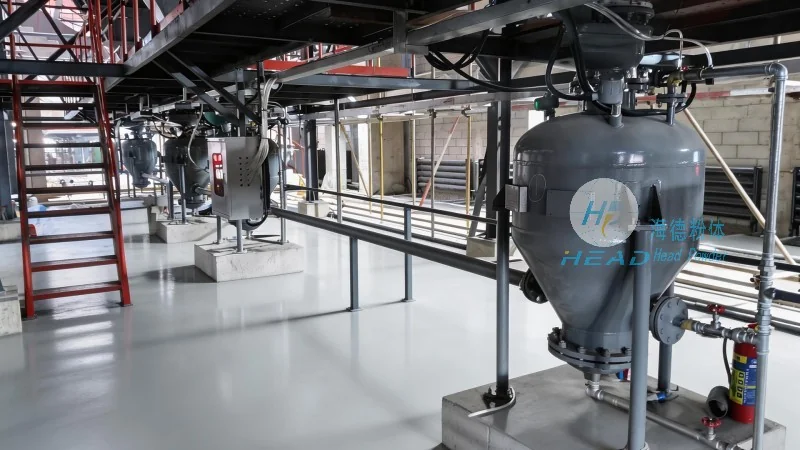
The conveying system process for rare earth powders involves a series of steps designed to transport the material safely and efficiently from storage to processing units. The process typically begins with material feeding, where the powder is transferred from storage silos or hoppers into the conveying equipment. This is often achieved using pneumatic conveying systems, which utilize compressed air to move the powder through pipelines. Pneumatic conveying offers advantages such as low maintenance, flexibility in layout, and the ability to handle fine powders without clogging. However, it requires careful control of air pressure and flow rates to prevent particle degradation or loss. For larger quantities or bulkier powders, mechanical conveying systems like screw conveyors or belt conveyors may be employed. These systems rely on mechanical force to move the material, providing higher capacity and lower energy consumption for certain applications. The choice of conveying system depends on factors such as powder characteristics, distance to be conveyed, and environmental considerations. HeadPowder's engineers design customized conveying systems that integrate these technologies to meet the unique needs of each client, ensuring reliable and efficient material transport.
Company Profile: Shandong HeadPowder Engineering Co., Ltd.
HeadPowder, operating under the full name Shandong HeadPowder Engineering Co., Ltd., is headquartered in Shandong, China. The company has established itself as a trusted provider of rare earth powder solutions, combining advanced technology with extensive industry experience. With a focus on innovation and quality, HeadPowder serves a diverse range of industries, including electronics, automotive, and renewable energy, supplying high-performance rare earth powders and conveying systems. The company's commitment to customer satisfaction is reflected in its comprehensive technical support, from initial consultation and system design to installation and maintenance. HeadPowder's team of experts works closely with clients to understand their specific requirements, ensuring that the delivered solutions are tailored to optimize performance and reduce operational costs. By leveraging its deep understanding of rare earth powder properties and conveying technologies, HeadPowder continues to deliver reliable and efficient solutions that meet the evolving demands of the industry.