

Technical Parameters and Conveying System Process of Expandable Polystyrene
Shandong HeadPowder Engineering Co., Ltd., commonly known as headpowder, specializes in providing advanced solutions for expandable polystyrene (EPS) applications. This document outlines the key technical parameters and the efficient conveying system processes used in the production and handling of EPS materials.
Company Overview
HeadPowder is a leading engineering firm based in Shandong, China. With a strong focus on material handling and processing technologies, the company has developed comprehensive systems tailored to the unique requirements of expandable polystyrene. The company's expertise spans from material characterization to system integration, ensuring optimal performance and reliability in EPS processing operations.
Technical Parameters of Expandable Polystyrene
The technical parameters of expandable polystyrene are critical for ensuring consistent quality and performance in various applications. Key parameters include density, expansion ratio, melt flow index, and moisture content. Density typically ranges from 8 to 18 kg/m³ for expanded polystyrene, with expansion ratios varying based on the manufacturing process. The melt flow index measures the material's flow characteristics under specific conditions, influencing processing speed and product uniformity. Moisture content is carefully controlled to prevent degradation during handling and use. These parameters are meticulously monitored throughout the production process to meet industry standards and customer specifications.
Conveying System Process for Expandable Polystyrene
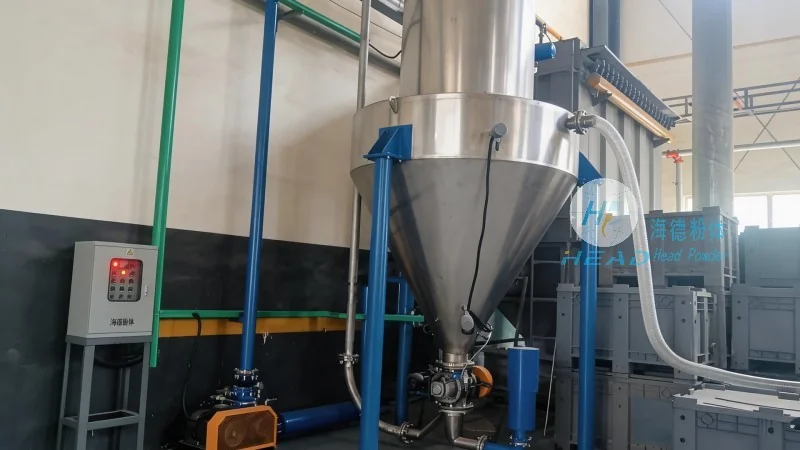
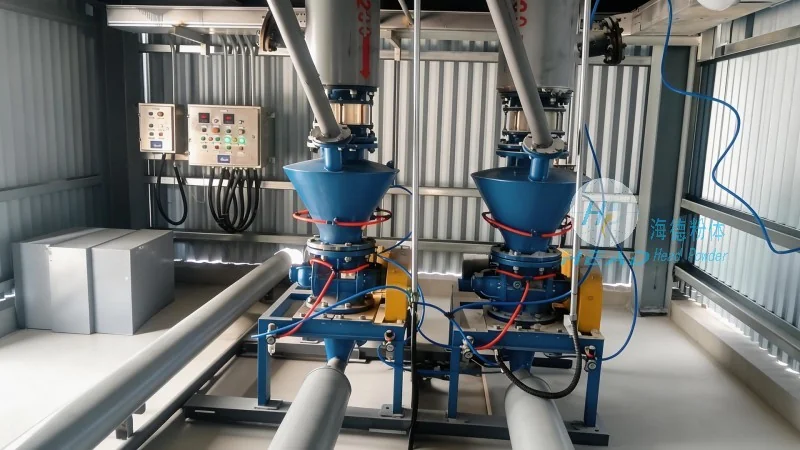
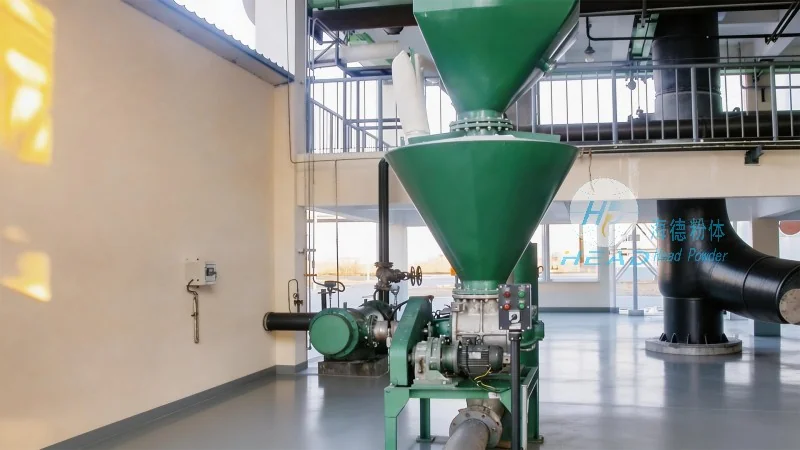
The conveying system for expandable polystyrene is designed to handle the material's light weight and low density while ensuring efficient transport from storage to processing units. The system typically incorporates several components, including bulk material feeders, pneumatic conveying lines, and dust collection systems. Bulk material feeders, such as rotary valves or screw conveyors, regulate the flow of EPS from storage silos or hoppers. Pneumatic conveying lines use air pressure to move the material through pipelines, minimizing material degradation and ensuring a smooth transfer. Dust collection systems are integrated to capture any airborne particles, maintaining air quality and preventing contamination. The system is engineered to handle the material's low bulk density, which can be challenging in traditional conveying methods. By optimizing air velocity and pipeline design, the conveying process achieves high efficiency with minimal energy consumption.
Process Integration and System Optimization
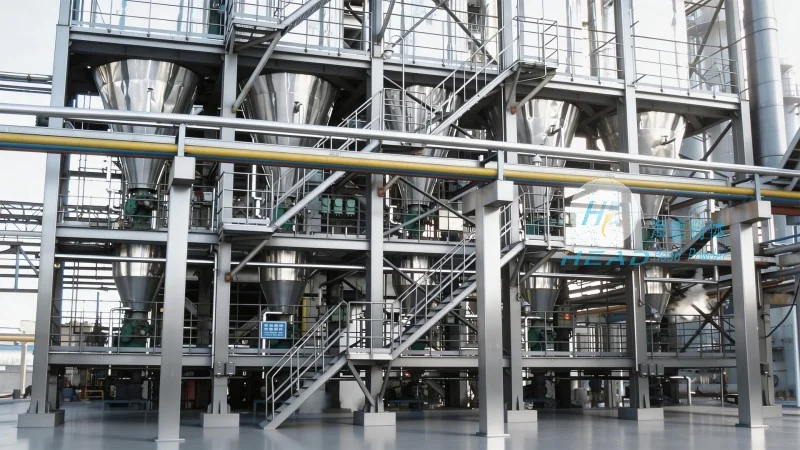
The conveying system is integrated with other processing equipment, such as mixers, extruders, and molding machines, to form a seamless production line. This integration ensures that the EPS material is transferred smoothly from one stage to the next, reducing downtime and improving overall productivity. System optimization involves continuous monitoring of key performance indicators, including material flow rates, pressure differentials, and energy consumption. Adjustments are made in real-time to maintain optimal operation, ensuring consistent output quality. The use of advanced control systems allows for precise regulation of the conveying process, adapting to variations in material properties or production demands. This integration and optimization strategy enhances the reliability and efficiency of the entire EPS processing operation.
Quality Assurance and Compliance
HeadPowder adheres to strict quality assurance protocols to ensure that the expandable polystyrene products meet or exceed industry standards. The technical parameters are regularly tested and verified using standardized testing methods, such as density measurement, expansion ratio determination, and moisture analysis. Compliance with national and international regulations is a priority, with the company maintaining certifications relevant to material safety and environmental impact. Quality control measures are implemented at every stage of the production process, from raw material reception to final product packaging. This comprehensive approach ensures that the EPS materials delivered to customers are of the highest quality, reliable, and suitable for their intended applications.
Applications and Industry Impact
The efficient conveying system and controlled technical parameters of expandable polystyrene enable its widespread use in various industries. In construction, EPS is used as insulation material in building envelopes, contributing to energy efficiency and thermal comfort. In packaging, the lightweight and shock-absorbing properties of EPS make it ideal for protecting fragile goods during transportation. The consistent quality ensured by the technical parameters and system processes enhances the performance of these applications, leading to improved durability and reduced material waste. The reliability of the conveying system also supports high-volume production, meeting the demands of modern manufacturing and supply chains. Overall, the technical specifications and conveying system processes developed by headpowder play a crucial role in the successful implementation of expandable polystyrene in diverse industrial applications.