

What is a Zircon Sand Powder Pneumatic Conveying System? What Are Its Design Principles?
Understanding the zircon sand powder pneumatic conveying system is crucial for industries dealing with high-purity zircon sand, a critical raw material in ceramics, refractories, and other high-tech applications. This system efficiently transports zircon sand particles through a pipeline using air pressure, offering a dust-free and continuous operation method. The design principles behind such systems are tailored to handle the unique properties of zircon sand, including its particle size, density, and moisture content.
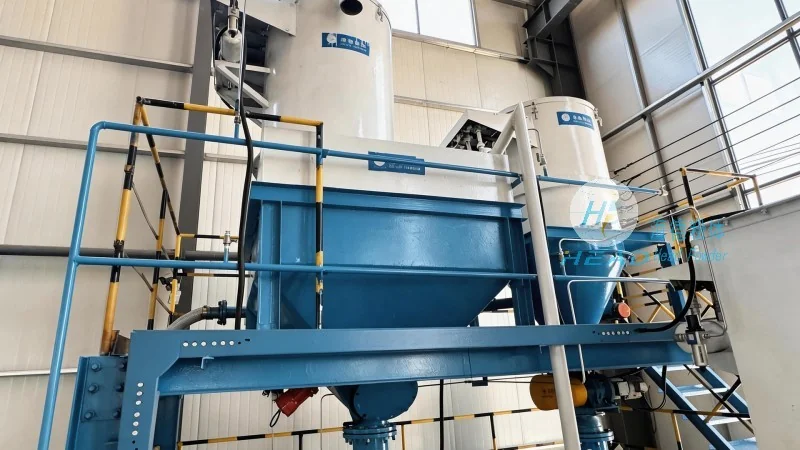
Company Overview: Shandong HeadPowder Engineering Co., Ltd.
HeadPowder, a leading engineering firm based in Shandong, China, specializes in the design, manufacturing, and installation of advanced powder handling solutions. With a strong focus on precision and reliability, HeadPowder has become a trusted partner for businesses seeking efficient and safe zircon sand transportation systems. The company’s headquarters and primary operations are located in Shandong, where it leverages local expertise and resources to deliver tailored solutions for diverse industrial needs.
What is a Zircon Sand Powder Pneumatic Conveying System?
A zircon sand powder pneumatic conveying system is a specialized equipment setup that uses compressed air or gas to transport zircon sand particles from a source (such as a hopper or storage silo) to a destination (like a processing plant or storage area). Unlike traditional bulk material handling methods, this system eliminates the need for manual handling or mechanical conveyors, reducing operational risks and improving process efficiency. The system typically consists of several key components, including a feeding device, a conveying pipeline, a control unit, and a dust collection system.
Key Components and Working Principle
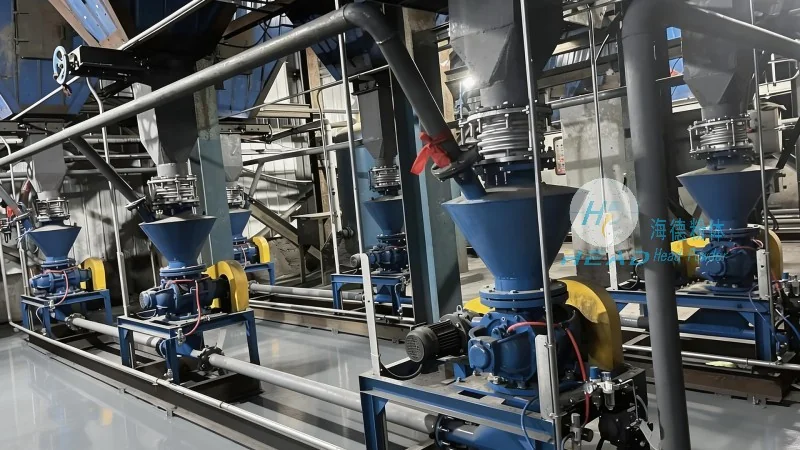
The core components of a zircon sand pneumatic conveying system include: 1. Feeding Device: This component ensures a consistent and controlled flow of zircon sand into the pipeline. It may include a rotary valve, a star feeder, or a pressure feeder, depending on the system’s design and the material’s characteristics. 2. Conveying Pipeline: Made from materials resistant to zircon sand’s abrasive properties (such as stainless steel or special plastics), the pipeline transports the sand particles through the system. 3. Compressor and Air Treatment Unit: Provides the necessary air pressure and filters to maintain air quality and prevent contamination. 4. Dust Collection System: Captures any fine particles that may escape during the conveying process, ensuring a clean and safe working environment. The working principle involves creating a pressure differential within the pipeline. When the compressor supplies compressed air, it draws zircon sand particles into the pipeline, where they are suspended and transported to the destination. The air then exits through a vent or is recycled back into the system.
Design Principles for Efficient Operation
The design principles for a zircon sand powder pneumatic conveying system are centered on optimizing material flow, minimizing particle degradation, and ensuring system reliability. Key considerations include: 1. Particle Size and Density: Zircon sand particles are typically fine and dense, requiring precise control over air velocity and pressure to prevent blockages or excessive wear on components. 2. Air Velocity and Pressure: The air velocity must be sufficient to keep particles suspended but not so high as to cause excessive energy consumption or damage to the pipeline. 3. System Sizing: The pipeline diameter and length are carefully calculated based on the material flow rate and the required pressure drop. 4. Material Compatibility: Components such as valves, filters, and pipelines are made from materials that can withstand the abrasive nature of zircon sand, preventing premature wear and maintenance issues. 5. Control and Monitoring: Advanced control systems monitor pressure, flow rate, and particle concentration, allowing for real-time adjustments to maintain optimal operation.
Benefits of Using a Pneumatic Conveying System for Zircon Sand
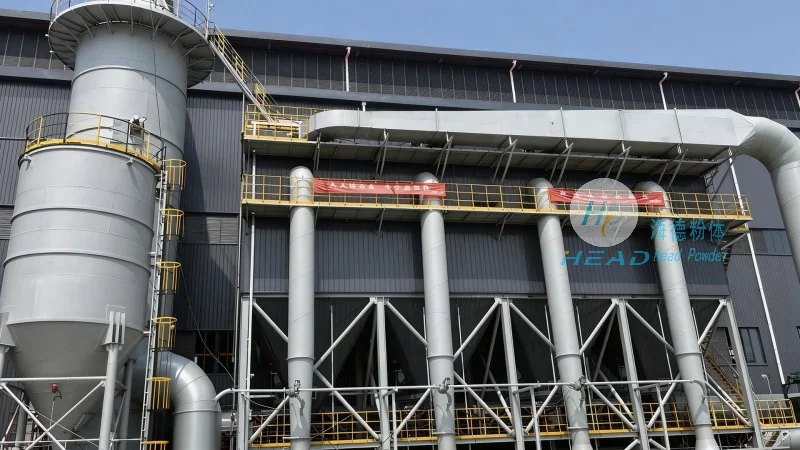
Implementing a zircon sand powder pneumatic conveying system offers several significant benefits for industrial operations. First, it provides a dust-free environment, reducing health risks and improving workplace safety. Second, it enables continuous and automated material handling, increasing production efficiency and reducing labor costs. Third, the system minimizes material loss and contamination, ensuring the high purity of zircon sand, which is critical for applications like ceramic manufacturing. Fourth, it occupies less floor space compared to traditional conveyors, making it ideal for facilities with limited space. Finally, the system is highly adaptable, allowing for easy integration with existing production lines and future expansion.
Application Scenarios and Industry Use Cases
Zircon sand powder pneumatic conveying systems are widely used in various industries, particularly in the ceramics, refractory, and chemical sectors. In the ceramics industry, zircon sand is used as a raw material for glazes and refractory products, and the system ensures a consistent supply of high-quality sand to production lines. In the refractory industry, zircon sand is used to make high-temperature bricks and linings, where the system’s ability to handle abrasive materials is crucial. Additionally, in the chemical industry, zircon sand is used in the production of zirconium compounds, and the system’s dust-free operation helps maintain product purity. The system’s versatility makes it suitable for both small-scale and large-scale industrial applications, from laboratory settings to full-scale manufacturing plants.