

What is a Dry Sludge Powder Pneumatic Conveying System? What are its Design Principles?
For industrial facilities dealing with sludge management, the efficient and reliable transport of dry sludge powder is a critical challenge. A dry sludge powder pneumatic conveying system offers a solution that minimizes moisture content and ensures safe, low-maintenance operation. This article explores the concept of such a system and its underlying design principles, highlighting how companies like Shandong HeadPowder Engineering Co., Ltd. (commonly known as HeadPowder) develop and implement these technologies.
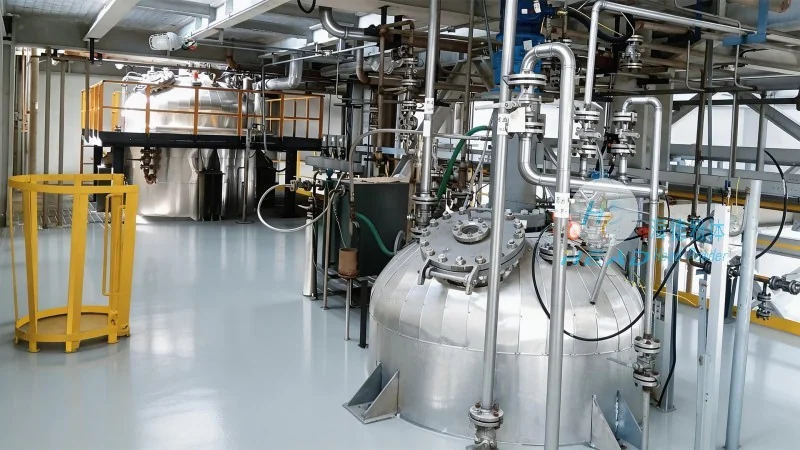
HeadPowder, a leading engineering firm based in Shandong, China, specializes in the design, manufacturing, and installation of advanced pneumatic conveying systems. With a strong focus on innovation and customer-centric solutions, HeadPowder has become a trusted partner for industries requiring efficient sludge handling. The company’s expertise lies in creating customized systems that meet specific operational requirements, ensuring optimal performance and longevity.
Core Components and Working Principle
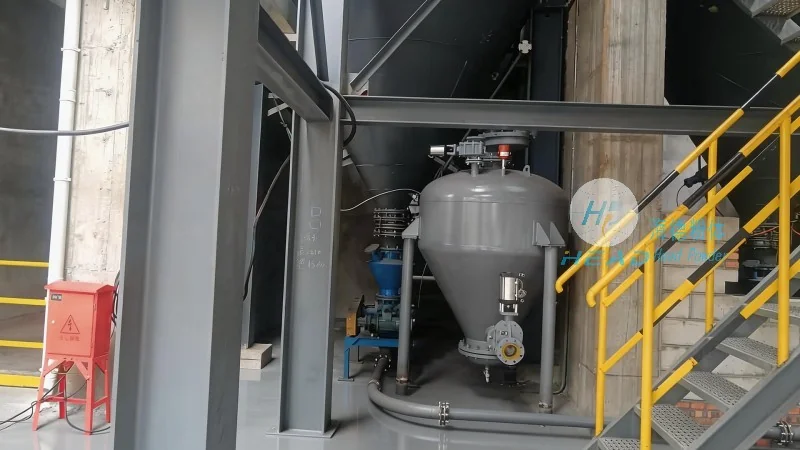
A dry sludge powder pneumatic conveying system typically consists of several key components that work in tandem to transport material. The primary elements include a material feeder, a conveying line (often equipped with airlocks or rotary valves), a vacuum or pressure source (such as a blower or compressor), and a receiver or discharge unit. The system operates by creating a flow of air or gas that propels the dry sludge powder through the pipeline. The material feeder ensures a consistent feed rate, while the air source provides the necessary pressure or vacuum to move the material. Airlocks or rotary valves regulate the flow of material into the conveying line, preventing backflow and maintaining system integrity.
Design Principles for Optimal Performance
The design of a dry sludge powder pneumatic conveying system is guided by several key principles aimed at maximizing efficiency, minimizing energy consumption, and ensuring durability. First, the system must be tailored to the specific characteristics of the sludge powder, including its particle size, moisture content, and flowability. This involves selecting appropriate equipment, such as high-capacity feeders and efficient air sources, to handle the material’s properties. Second, the conveying line design is critical; it must be sized and configured to minimize pressure drop and energy loss. Proper pipe diameter, material of construction (e.g., stainless steel for corrosion resistance), and the inclusion of bends or elbows with minimal friction are essential. Third, the system’s control mechanisms play a vital role. Advanced control systems allow for real-time monitoring of pressure, flow, and material levels, enabling adjustments to maintain optimal performance. This includes features like automatic shut-off valves, pressure relief systems, and alarms for abnormal conditions.
Advantages of Dry Sludge Powder Pneumatic Conveying
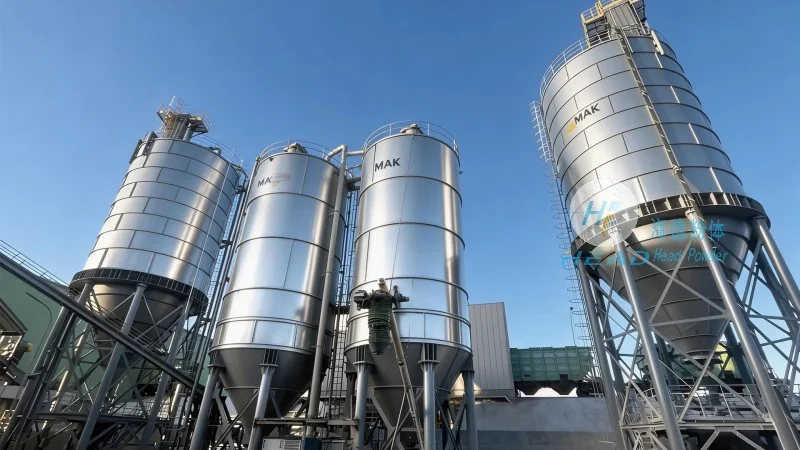
Implementing a dry sludge powder pneumatic conveying system offers numerous benefits for industrial operations. One of the most significant advantages is the reduction in moisture content, which is crucial for downstream processes such as drying or incineration. By removing excess moisture, the system enhances the efficiency of subsequent treatment steps and reduces energy costs. Additionally, pneumatic conveying eliminates the need for mechanical components like conveyors or elevators, which can be prone to wear and maintenance issues. This results in lower operational costs and increased system reliability. The system also provides a closed-loop operation, minimizing dust emissions and ensuring environmental compliance. Furthermore, the flexibility of pneumatic conveying allows for the transport of material over long distances or through complex layouts, making it suitable for various industrial settings.
Conclusion
Understanding the design principles and components of a dry sludge powder pneumatic conveying system is essential for industries seeking efficient sludge management solutions. Companies like Shandong HeadPowder Engineering Co., Ltd. leverage their expertise to develop customized systems that meet the unique needs of their clients. By adhering to key design principles—such as material compatibility, efficient air management, and robust control systems—these systems deliver reliable performance and long-term value. As industries continue to prioritize sustainability and operational efficiency, the adoption of advanced pneumatic conveying technologies will remain a critical step in optimizing sludge handling processes.