

Lightweight Cement Powder Pneumatic Conveying System: What It Is and Its Design Principles
For industrial applications involving the handling of lightweight cement powders, efficient and reliable material transport is crucial. A lightweight cement powder pneumatic conveying system offers a solution that leverages air to move these fine particles, ensuring smooth operations and reduced downtime. This article explores what such a system entails and the underlying design principles that make it effective, with a focus on the expertise of Shandong HeadPowder Engineering Co., Ltd., a leading provider in the field.
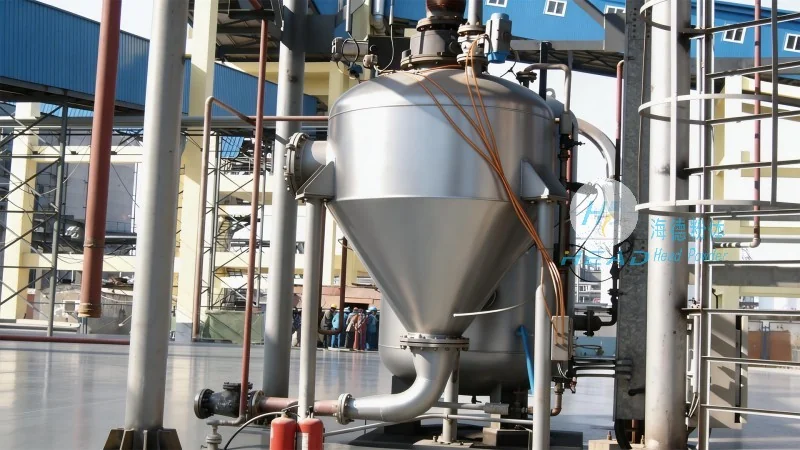
Understanding the Lightweight Cement Powder Pneumatic Conveying System
A lightweight cement powder pneumatic conveying system is a specialized equipment setup designed to transport fine cement powders through a pipeline using compressed air. Unlike traditional bulk material handling methods, this system utilizes air as the primary medium to move the powder, eliminating the need for mechanical components like belts or buckets that might be prone to wear and tear. The system typically consists of a hopper for material storage, a blower or compressor to generate the air flow, a pipeline network to guide the material, and a collection tank or silo at the destination. The key advantage lies in its ability to handle delicate, low-density powders without causing agglomeration or degradation, which is critical for maintaining the quality of the cement product. Shandong HeadPowder Engineering Co., Ltd. specializes in designing and manufacturing such systems tailored to the specific needs of cement and construction material industries.
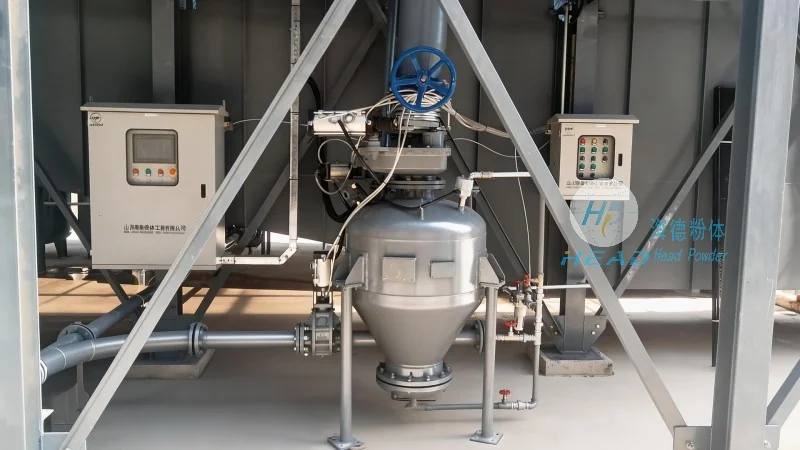
Design Principles of the System
The design of a lightweight cement powder pneumatic conveying system is governed by several fundamental principles aimed at optimizing performance, efficiency, and material integrity. The first principle is the selection of appropriate air velocity. The air velocity must be high enough to keep the powder particles suspended in the air stream but not so high as to cause excessive pressure drops or energy consumption. This is often determined by the particle size, density, and flow rate of the cement powder. The second principle involves the configuration of the pipeline system. The pipeline is typically designed with smooth, corrosion-resistant materials like stainless steel or PVC to minimize friction and prevent material buildup. The system may include features such as bends, elbows, and expansion joints to accommodate changes in direction and pressure, ensuring the powder flows smoothly without blockages. The third principle is the control of pressure and flow. The blower or compressor must be sized to provide sufficient air pressure to overcome the resistance in the pipeline and lift the powder particles. Pressure sensors and flow meters are often integrated into the system to monitor and adjust the air flow in real-time, maintaining consistent material transport. Additionally, the system may incorporate filtration and separation mechanisms to remove any moisture or impurities from the air, preventing contamination of the cement powder and extending the life of the equipment.
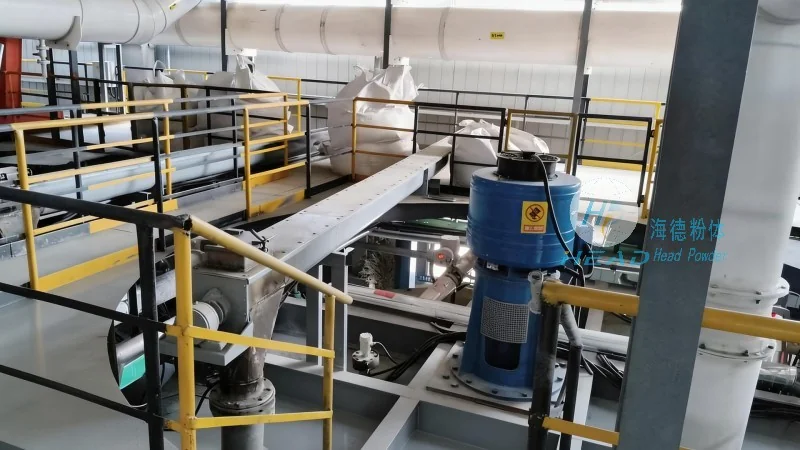
Key Components and Their Functions
Several critical components work together to ensure the effective operation of a lightweight cement powder pneumatic conveying system. The hopper serves as the storage vessel, holding the lightweight cement powder and feeding it into the system. The hopper is equipped with a feeder, such as a rotary valve or a vibratory feeder, which controls the flow rate of the material into the pipeline. The feeder must be designed to handle the low-density nature of the powder without causing clogging or uneven discharge. The blower or compressor is the heart of the system, generating the compressed air needed to move the powder. It is typically a high-efficiency model with adjustable speed or pressure settings to match the system's requirements. The pipeline network connects the hopper to the feeder, blower, and the collection tank. The pipeline is usually made of smooth, rigid materials to maintain consistent air flow and prevent pressure losses. The collection tank or silo at the end of the pipeline stores the conveyed cement powder, allowing it to be discharged for further processing or use. The system may also include a filter and a dust collector to remove any fine particles from the exhaust air, ensuring compliance with environmental regulations and maintaining a clean working environment. Shandong HeadPowder Engineering Co., Ltd. ensures that all components are selected and integrated to meet the highest standards of performance and durability.
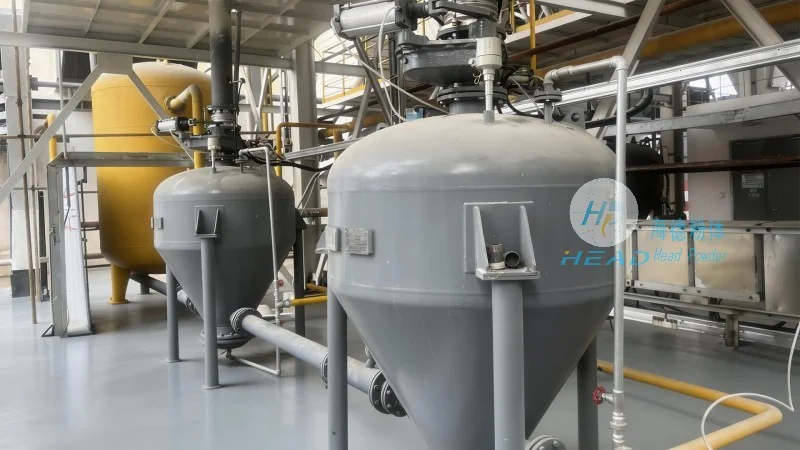
Benefits and Applications
The lightweight cement powder pneumatic conveying system offers numerous benefits for industrial applications. One of the primary advantages is its ability to handle delicate, low-density powders without causing damage or degradation. This is particularly important for cement powders, which are sensitive to moisture and mechanical stress. The system also provides a dust-free and clean operation, reducing the risk of contamination and improving workplace safety. Additionally, the pneumatic conveying method is more energy-efficient compared to mechanical systems, as it eliminates the need for moving parts that consume significant power. The system is also flexible, allowing for easy expansion or modification to accommodate changes in production volume or material types. These benefits make the system suitable for a wide range of applications, including cement manufacturing, construction material processing, and industrial powder handling. For example, in a cement plant, the system can be used to transport lightweight cement powders from storage silos to mixing facilities or to different production lines, ensuring a continuous and efficient supply of raw materials. In construction material processing, the system can be used to transport lightweight cement powders to mixing plants or to job sites, reducing the need for manual handling and improving productivity. Shandong HeadPowder Engineering Co., Ltd. has successfully implemented such systems in various industrial settings, demonstrating their reliability and effectiveness.