

What is a Wood Fiber Powder Pneumatic Conveying Equipment? And What Are Its Design Principles?
Welcome to Shandong HeadPowder Engineering Co., Ltd., a leading manufacturer specializing in advanced pneumatic conveying solutions for wood fiber powders. Our company, based in Shandong, China, has dedicated itself to developing efficient and reliable equipment that addresses the unique challenges of transporting wood fiber materials. This article explores the fundamental aspects of wood fiber powder pneumatic conveying equipment, detailing its design principles and operational capabilities.
Understanding Wood Fiber Powder Pneumatic Conveying Equipment
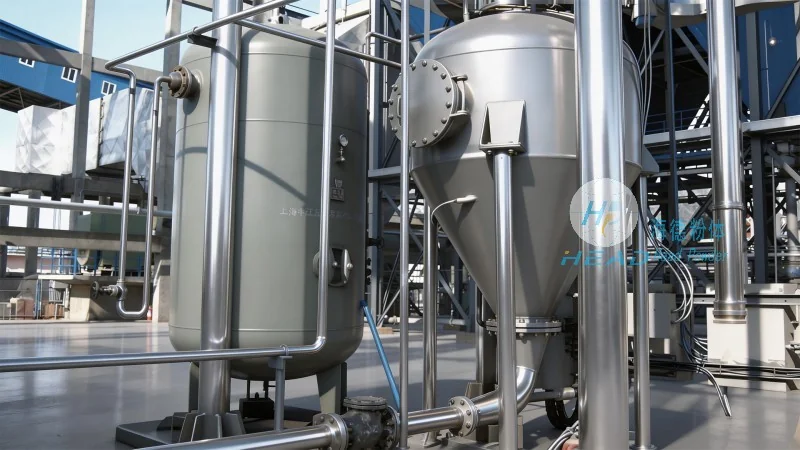
Wood fiber powder pneumatic conveying equipment is a specialized system designed to transport wood fiber powders through a pipeline using air or gas as the conveying medium. Unlike traditional mechanical conveying methods, which rely on mechanical components like belts or screws, pneumatic systems utilize the force of compressed air to move the material. This approach offers several advantages, including reduced equipment wear, lower maintenance requirements, and the ability to handle materials that are difficult to transport via conventional means. The equipment typically consists of a hopper for material storage, a feeder to control the flow rate, a conveying line, and a receiver to collect the material at the destination. The entire system is designed to ensure efficient, safe, and consistent transport of wood fiber powders, which are commonly used in applications such as paper manufacturing, composite board production, and biomass energy generation.
Design Principles of Wood Fiber Powder Pneumatic Conveying Equipment
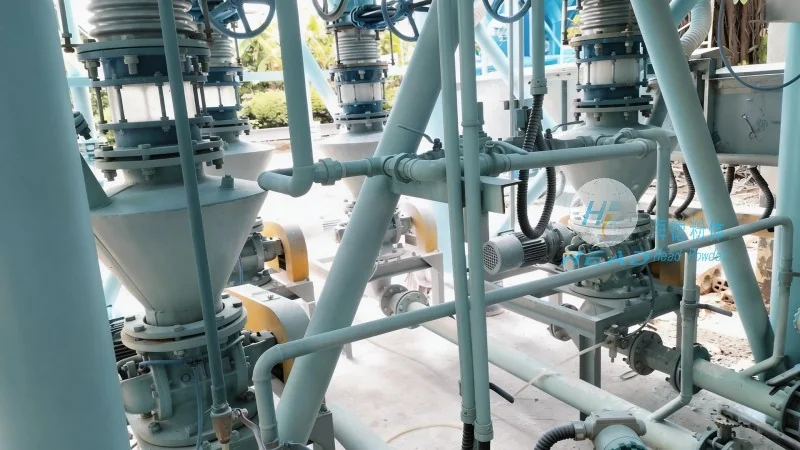
The design of wood fiber powder pneumatic conveying equipment is guided by several key principles to ensure optimal performance and reliability. First, the system must be capable of handling the specific physical properties of wood fiber powders, including their particle size, moisture content, and flowability. These characteristics influence the choice of air velocity, pressure, and pipeline diameter. For instance, higher air velocities may be required to overcome the resistance caused by the fibrous nature of the material, while appropriate pressure levels prevent material degradation or blockages. Second, the equipment must incorporate features that minimize material degradation, such as smooth internal surfaces and gentle material handling mechanisms. This is crucial because wood fiber powders are often sensitive to mechanical stress, which can affect their quality and performance in downstream processes. Third, the design must prioritize safety and efficiency. This includes incorporating dust collection systems to prevent airborne contamination, as well as energy-efficient components that reduce operational costs. The integration of these principles results in a system that is both effective and sustainable, meeting the demands of modern industrial applications.
Key Components and Their Functions
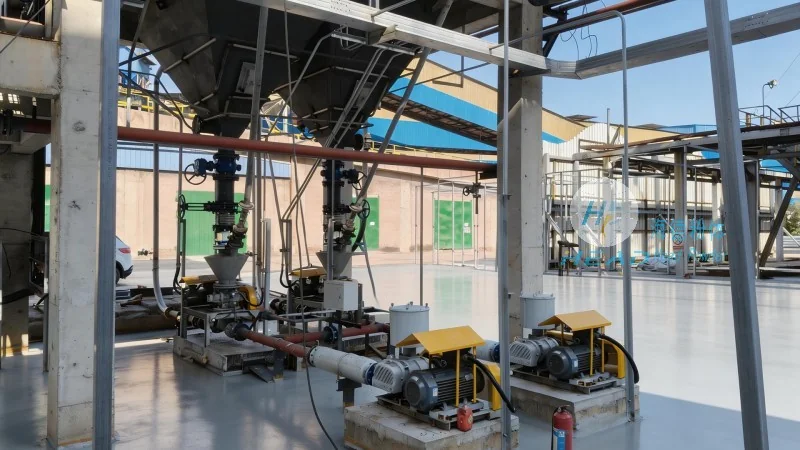
The core components of a wood fiber powder pneumatic conveying system work in harmony to achieve efficient material transport. The hopper serves as the primary storage vessel, providing a large capacity to accommodate bulk wood fiber powders. It is typically equipped with a lid and a discharge valve to control the material flow. The feeder, often a rotary valve or a screw feeder, regulates the rate at which the material is introduced into the conveying line. This component is critical for maintaining consistent air-to-material ratios, which directly impacts the conveying efficiency. The conveying line, usually made of stainless steel or other corrosion-resistant materials, is designed to withstand the abrasive nature of wood fiber powders and the pressure of the conveying medium. The line may include bends, elbows, or expansion joints to accommodate changes in direction or elevation. The receiver, located at the destination, collects the conveyed material and may include a dust collection system to ensure environmental compliance. Each component is carefully engineered to work together, ensuring that the entire system operates smoothly and reliably.
Operational Considerations and Best Practices
Operating a wood fiber powder pneumatic conveying system requires careful attention to several factors to maximize efficiency and minimize downtime. First, the air pressure and flow rate must be optimized based on the specific characteristics of the wood fiber powder being transported. This involves conducting tests to determine the optimal air velocity and pressure that balances conveying efficiency with energy consumption. Second, regular maintenance is essential to prevent system failures. This includes cleaning the hopper and feeder to prevent material buildup, inspecting the conveying line for signs of wear or blockages, and checking the dust collection system for proper operation. Third, the system should be equipped with monitoring and control systems to provide real-time data on performance. This allows operators to quickly identify and address any issues, ensuring continuous and reliable operation. By following these best practices, users can extend the lifespan of their equipment and maintain high levels of productivity.
Applications and Industry Impact
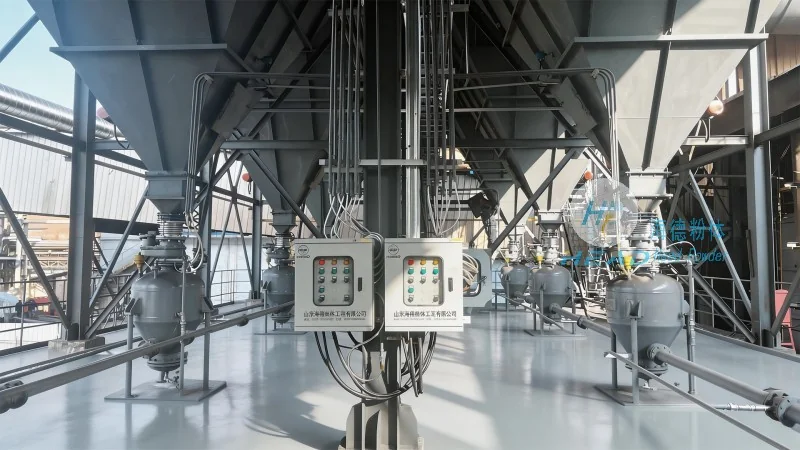
Wood fiber powder pneumatic conveying equipment plays a vital role in various industries that rely on wood fiber materials. In the paper industry, it is used to transport wood pulp from storage to processing facilities, ensuring a consistent supply of raw material. In the composite board manufacturing sector, the equipment efficiently conveys wood fibers to production lines, where they are combined with other materials to create high-quality panels. Additionally, in biomass energy applications, the system transports wood fiber powders to boilers or gasifiers, where they are used as fuel. The reliability and efficiency of these systems contribute to improved production processes, reduced costs, and enhanced environmental sustainability. As industries continue to adopt more sustainable practices, the demand for advanced pneumatic conveying solutions like those offered by Shandong HeadPowder Engineering Co., Ltd. is expected to grow, further solidifying their importance in modern manufacturing.