

Baking Soda Powder Pneumatic Conveying Equipment: What It Is and Its Design Principles
For industries dealing with baking soda powder, efficient and reliable material handling is crucial. The pneumatic conveying system, specifically designed for handling fine powders like baking soda, offers a solution that minimizes dust, ensures product integrity, and enhances operational safety. This equipment is essential for maintaining the quality of baking soda powder during transportation and processing.
Understanding Pneumatic Conveying Systems
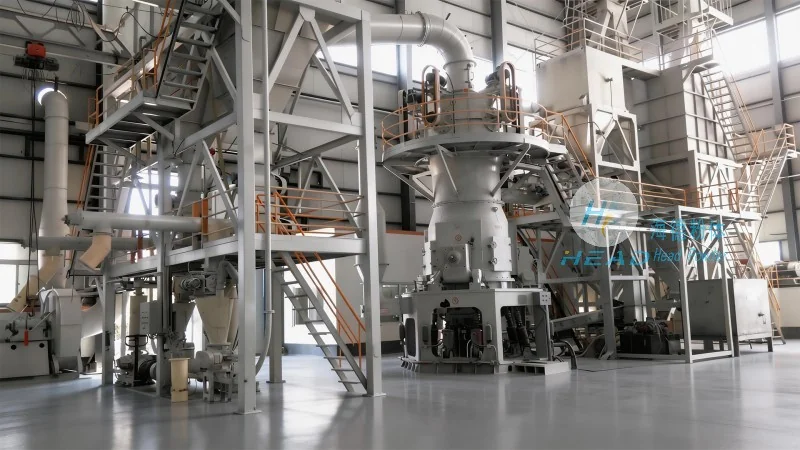
Pneumatic conveying equipment uses air or gas to transport dry bulk materials, such as baking soda powder, through a pipeline. Unlike mechanical conveying methods, this system eliminates the need for moving parts in the conveying line, reducing maintenance and increasing operational efficiency. The system typically consists of a hopper, a blower or compressor, a pipeline network, and a receiver or discharge point. The process involves feeding the powder into the hopper, where it is then drawn into the pipeline by the air flow generated by the blower. The air and powder mixture travels through the pipeline to the destination, where the powder is separated from the air and collected in the receiver.
Design Principles of Baking Soda Powder Pneumatic Conveying Equipment
The design of a pneumatic conveying system for baking soda powder must consider several key factors to ensure optimal performance. First, the system must handle the specific properties of baking soda powder, including its particle size, density, and flowability. The equipment is engineered to prevent clogging and ensure consistent flow, which is critical for maintaining product quality and preventing downtime. Second, the system must be designed to minimize dust generation and exposure, as baking soda powder can be a respiratory irritant. This is achieved through features like sealed hoppers, enclosed pipelines, and efficient filtration systems. Third, the system must be energy-efficient and cost-effective, with considerations for the power consumption of the blower and the overall system layout. The design also takes into account the need for easy maintenance and cleaning, as the equipment will be exposed to the powder and potential contaminants.
Key Components and Their Functions
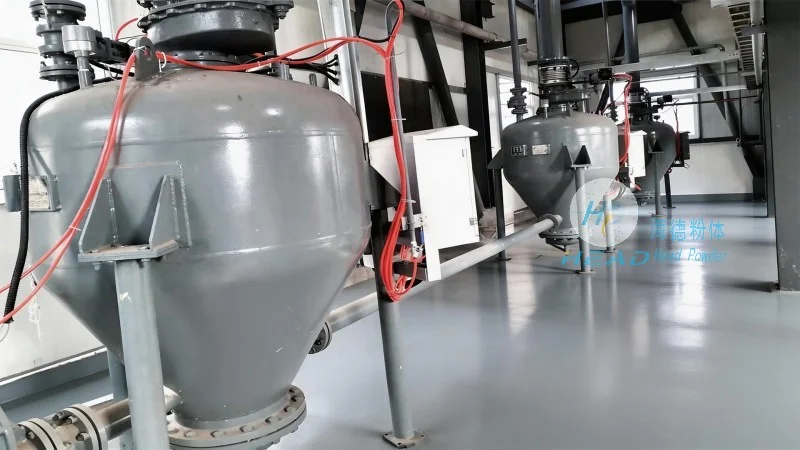
The pneumatic conveying system for baking soda powder includes several key components, each playing a vital role in the overall operation. The hopper serves as the storage and feeding unit, where the powder is loaded and fed into the system. The hopper is typically equipped with a feeder, such as a rotary valve or a screw feeder, to control the flow rate of the powder. The blower or compressor is the heart of the system, providing the necessary air pressure to move the powder through the pipeline. The pipeline network connects the hopper to the receiver and any intermediate points, ensuring the powder is transported efficiently. The receiver is the final collection point, where the powder is separated from the air and stored. The system may also include additional components like filters, cyclones, or separators to further enhance the separation of powder from air and improve system performance.
Benefits of Using Pneumatic Conveying for Baking Soda Powder
Implementing a pneumatic conveying system for baking soda powder offers numerous benefits for industrial operations. One of the primary advantages is the reduction in dust and contamination, which improves product quality and safety for workers. The system also minimizes the risk of product degradation due to exposure to air or moisture, as the powder is contained within the pipeline. Additionally, the system is highly flexible, allowing for easy integration into existing production lines and the ability to transport the powder to multiple destinations. The system also reduces labor costs associated with manual handling and improves overall operational efficiency by automating the material transport process. Finally, the system is designed for durability and long-term performance, with components that are resistant to corrosion and wear from the powder, ensuring a low total cost of ownership.
Applications in the Baking Soda Industry
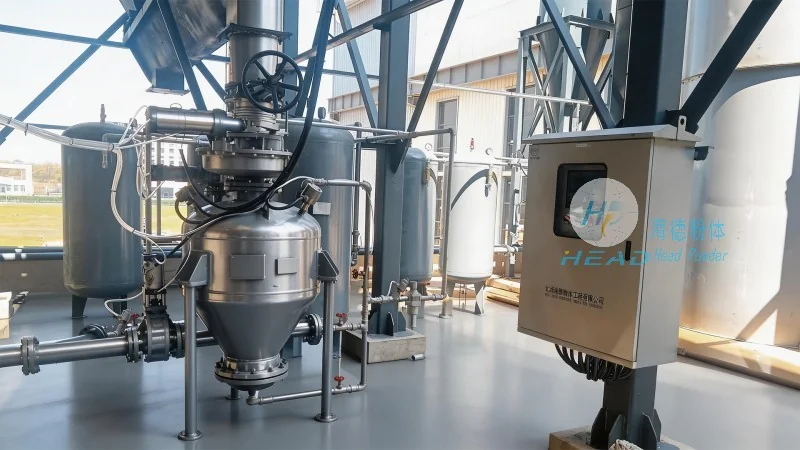
Baking soda powder pneumatic conveying equipment is widely used in various applications within the baking soda industry. In manufacturing facilities, the system is used to transport baking soda from storage silos to processing equipment, such as mixers or reactors. In packaging operations, the system can transport the powder from the production line to packaging machines, ensuring a consistent and efficient filling process. The equipment is also used in research and development facilities to transport small quantities of baking soda powder for testing and analysis. Additionally, the system is used in quality control laboratories to transport samples of baking soda powder for testing and analysis. The versatility of the pneumatic conveying system makes it an essential tool for any baking soda production or processing operation.
Conclusion
Baking soda powder pneumatic conveying equipment is a critical component in the efficient and safe handling of baking soda powder. The design principles and components of the system are tailored to the specific properties of the powder, ensuring optimal performance and product quality. The system offers numerous benefits, including reduced dust exposure, improved product integrity, and increased operational efficiency. As a leading manufacturer in the industry, Shandong HeadPowder Engineering Co., Ltd. specializes in designing and manufacturing high-quality pneumatic conveying systems for baking soda powder, providing reliable and efficient solutions for industrial applications. With a focus on quality and customer satisfaction, HeadPowder is committed to delivering innovative and effective solutions for the baking soda industry.