

Polycarbonate Powder Pneumatic Conveying System: What It Is and Its Design Principles
Polycarbonate powder pneumatic conveying systems are specialized equipment designed to transport polycarbonate powder through a pneumatic process. These systems are widely used in various industrial applications due to their efficiency, flexibility, and ability to handle delicate materials like polycarbonate powder without causing damage or contamination. Understanding the core components and design principles of such systems is crucial for optimizing material handling processes in manufacturing and processing industries.
Introduction to Polycarbonate Powder Pneumatic Conveying Systems
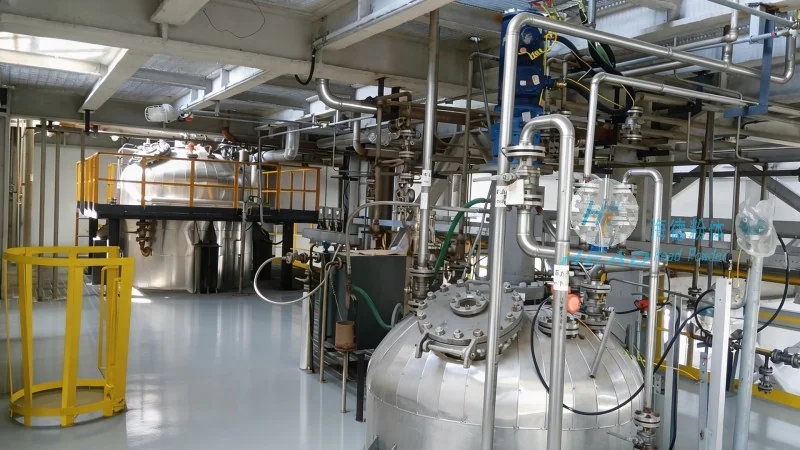
Polycarbonate powder pneumatic conveying systems utilize air or other gases to move polycarbonate powder from one location to another. Unlike traditional mechanical conveyors, which rely on physical components like belts or screws, pneumatic systems use pressure differentials to transport materials through a pipeline network. This method is particularly advantageous for handling fine powders, as it minimizes material degradation and ensures a clean, dust-free transfer. The systems are commonly employed in industries such as automotive, electronics, and construction, where polycarbonate is used in the production of components like lenses, housings, and structural parts.
Key Components of a Polycarbonate Powder Pneumatic Conveying System
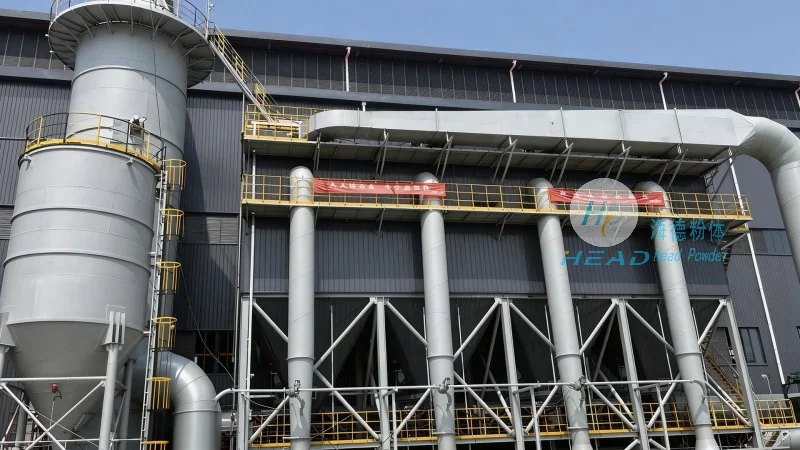
The effectiveness of a polycarbonate powder pneumatic conveying system depends on several critical components that work in tandem to ensure efficient material transport. These components include the material hopper, which stores the polycarbonate powder; the air compressor or blower, which generates the necessary air pressure; the conveying line, which transports the powder; and the receiver or discharge hopper, where the material is deposited. Additionally, systems may incorporate filters, cyclones, and control valves to regulate airflow and prevent dust accumulation. Each component plays a vital role in maintaining the system's performance and ensuring the quality of the transported polycarbonate powder.
Design Principles for Efficient Polycarbonate Powder Handling
The design of a polycarbonate powder pneumatic conveying system is tailored to the specific properties of the material, including its particle size, density, and flow characteristics. Engineers at Shandong HeadPowder Engineering Co., Ltd. in China, a leading manufacturer of such systems, follow a systematic approach to design that maximizes efficiency and minimizes energy consumption. The design process begins with an analysis of the material's behavior under pneumatic conditions, considering factors like particle size distribution, moisture content, and potential agglomeration. Based on this analysis, the system's pressure, flow rate, and pipeline diameter are optimized to ensure smooth and continuous transport. For polycarbonate powder, which is often sensitive to moisture and temperature, the system may include features like heated pipelines or moisture-proof seals to maintain material integrity.
Advantages of Using Polycarbonate Powder Pneumatic Conveying Systems
Implementing a polycarbonate powder pneumatic conveying system offers several advantages over traditional material handling methods. One of the primary benefits is the ability to transport materials over long distances without the need for multiple transfer points, reducing the risk of contamination and material loss. The systems are also highly flexible, allowing for changes in the conveying route or material flow without significant modifications. Additionally, pneumatic conveying systems are more hygienic and easier to clean compared to mechanical conveyors, which is essential in industries where product purity is critical. The energy efficiency of these systems, particularly when using high-efficiency blowers, contributes to lower operational costs and reduced environmental impact.
Applications and Industry Impact
Polycarbonate powder pneumatic conveying systems are integral to the production processes of various industries. In the automotive sector, they are used to transport polycarbonate powders for the manufacturing of interior and exterior components, such as dashboard housings and headlight lenses. In the electronics industry, these systems facilitate the handling of polycarbonate powders used in the production of circuit boards and protective casings. The construction industry also benefits from these systems when processing polycarbonate powders for composite materials. By ensuring consistent and reliable material transport, these systems enhance overall production efficiency and product quality, contributing to the success of manufacturing operations.
Maintenance and Operational Considerations
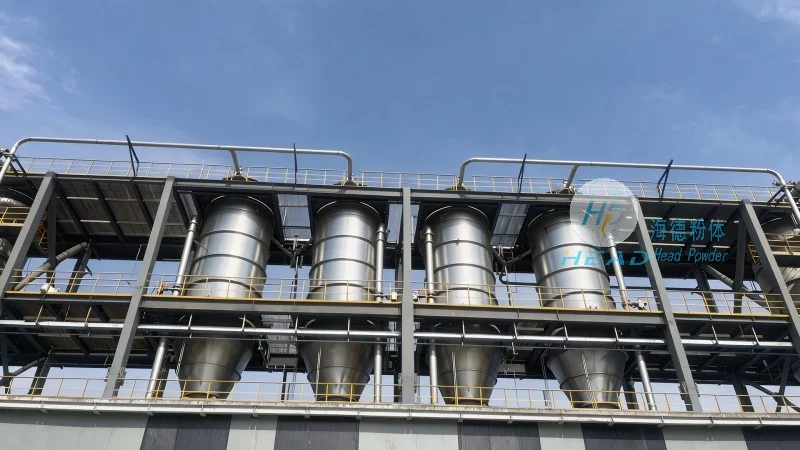
To ensure the longevity and optimal performance of a polycarbonate powder pneumatic conveying system, regular maintenance is essential. This includes inspecting and cleaning filters and cyclones to prevent clogging, checking the air compressor for proper operation, and verifying the integrity of the conveying line for leaks. Additionally, monitoring the system's pressure and flow rates during operation helps identify any issues early, preventing downtime and material loss. Proper maintenance not only extends the system's lifespan but also ensures consistent material quality and reduces the risk of equipment failure. Shandong HeadPowder Engineering Co., Ltd. provides comprehensive maintenance services and technical support to help users maximize the performance of their systems and minimize operational costs.
Conclusion
Polycarbonate powder pneumatic conveying systems represent a sophisticated solution for the efficient and reliable transport of polycarbonate materials in industrial settings. By understanding the design principles and key components of these systems, manufacturers can optimize their material handling processes, improve product quality, and reduce operational costs. With the expertise of companies like Shandong HeadPowder Engineering Co., Ltd. in China, industries can leverage advanced pneumatic conveying technology to enhance their production capabilities and stay competitive in the global market.