

What is a Soybean Feed Powder Pneumatic Conveying Machine? What are its Design Principles?
When it comes to efficiently handling and transporting soybean feed powders in agricultural and feed processing industries, the soybean feed powder pneumatic conveying machine has emerged as a critical piece of equipment. This specialized machinery is designed to move bulk powder materials, such as soybean feed, through a system of air pressure and flow, ensuring reliable and efficient material transfer. Understanding both the functionality and design principles of this equipment is essential for optimizing feed processing operations and maintaining product quality.
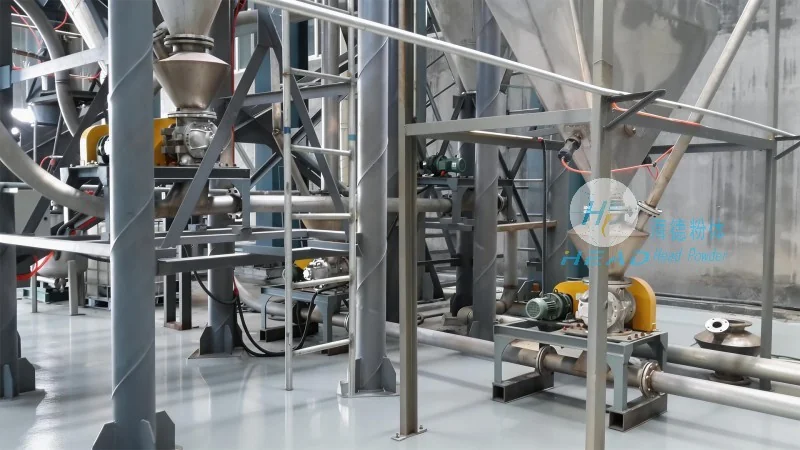
What is a Soybean Feed Powder Pneumatic Conveying Machine?
A soybean feed powder pneumatic conveying machine is a type of industrial equipment used to transport soybean feed powders and other fine particulate materials. Unlike traditional mechanical conveyors, which rely on physical components like belts or screws, pneumatic conveyors use compressed air to move materials through a pipeline system. This method offers several advantages, including the ability to transport materials over long distances, handle sensitive or delicate powders without causing degradation, and maintain a clean and hygienic environment, which is crucial in feed processing applications.
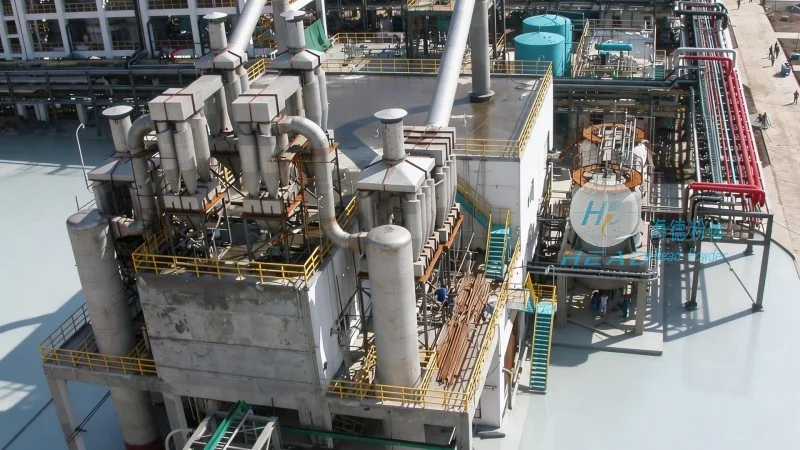
Key Design Principles of the Machine
The design of a soybean feed powder pneumatic conveying machine is based on several fundamental principles that ensure effective and efficient operation. The primary design principles include:
- Compressed Air System: The machine utilizes a compressed air system to generate the necessary pressure and flow to move the powder. The air is typically supplied by an air compressor, and the pressure is regulated to match the specific characteristics of the soybean feed powder, such as particle size, moisture content, and bulk density. Proper air pressure management is critical to prevent material degradation and ensure consistent flow rates.
- Pipeline and Fittings: The conveying system consists of a network of pipelines, fittings, and valves that direct the flow of both air and powder. The design of these components is crucial for minimizing pressure losses and ensuring smooth material transport. High-quality materials, such as stainless steel or corrosion-resistant alloys, are often used to prevent contamination and ensure durability, especially when handling feed materials that may be prone to moisture or chemical reactions.
- Material Feed and Discharge: The machine includes mechanisms for feeding the soybean feed powder into the conveying system and for discharging it at the destination. The feed hopper is designed to provide a consistent and controlled flow of material, preventing clogging and ensuring that the powder is introduced smoothly into the pipeline. The discharge system, which may include a receiver or silo, is engineered to handle the incoming powder without causing spillage or contamination.
- Control and Monitoring Systems: Modern soybean feed powder pneumatic conveying machines are equipped with advanced control and monitoring systems. These systems allow operators to adjust the air pressure, flow rate, and other parameters in real-time, ensuring optimal performance. Sensors and indicators are used to monitor the system's operation, detect any issues such as blockages or pressure drops, and provide alerts to prevent downtime or product loss. This level of automation enhances efficiency and reduces the need for manual intervention.
Applications and Benefits in Soybean Feed Processing
The soybean feed powder pneumatic conveying machine is widely used in the feed processing industry for several key applications. Its primary benefits include:
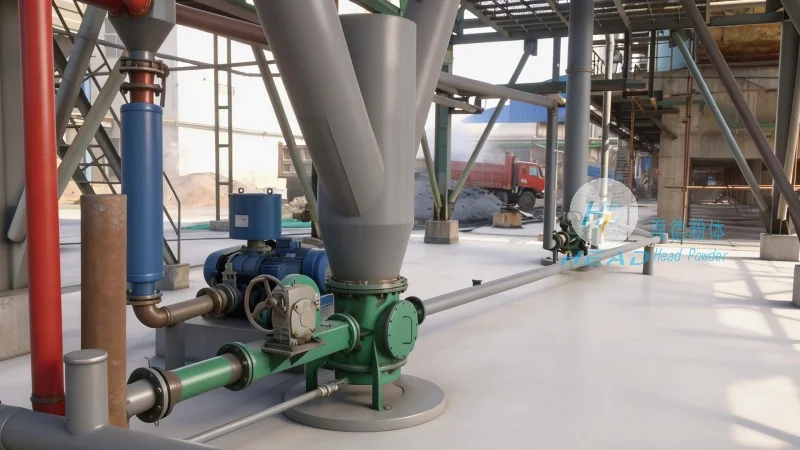
- Efficient Material Handling: The machine enables the efficient transfer of soybean feed powders from storage silos to processing equipment, such as mixers or extruders. This reduces the time and labor required for manual handling and minimizes the risk of material loss or contamination.
- Hygienic and Clean Operation: Pneumatic conveying systems are enclosed, which helps maintain a clean and hygienic environment. This is particularly important in feed processing, where product quality and safety are paramount. The enclosed system prevents dust and particles from escaping into the environment, reducing the risk of contamination and improving overall operational hygiene.
- Flexibility and Scalability: The design of the pneumatic conveying machine allows for flexibility in system layout and scalability to accommodate varying production volumes. Whether a small-scale feed processing operation or a large industrial facility, the machine can be customized to meet specific requirements. This adaptability makes it suitable for a wide range of applications, from small farms to large feed mills.
- Reduced Maintenance and Downtime: Compared to traditional mechanical conveyors, pneumatic systems often require less maintenance due to fewer moving parts. The absence of belts, screws, or other mechanical components reduces the risk of wear and tear, leading to lower maintenance costs and less downtime. This reliability is crucial for maintaining consistent production schedules and minimizing operational disruptions.
Company Information: Shandong HeadPowder Engineering Co., Ltd.
Shandong HeadPowder Engineering Co., Ltd. is a leading manufacturer and supplier of industrial equipment, including soybean feed powder pneumatic conveying machines. With a strong commitment to quality and innovation, the company specializes in designing and producing high-performance machinery tailored to the specific needs of the feed processing industry. HeadPowder's facilities are located in Shandong, China, where the company leverages advanced manufacturing technologies and a team of experienced engineers to ensure the highest standards of product quality and reliability. The company's products are widely recognized for their durability, efficiency, and adherence to industry standards, making them a trusted choice for feed processing operations worldwide.