

What is Carbonaceous Material Pneumatic Conveying? What Are the Design Principles?
Carbonaceous material pneumatic conveying is a technology used to transport bulk solid materials, such as carbon-based powders and granules, through a pipeline using a gas stream. This method is widely adopted in industries like carbon manufacturing, chemical processing, and material handling due to its efficiency in moving materials without mechanical contact. The process involves creating a flow of air or other gases that carries the carbonaceous particles through the system, enabling safe and effective material transfer from one location to another.
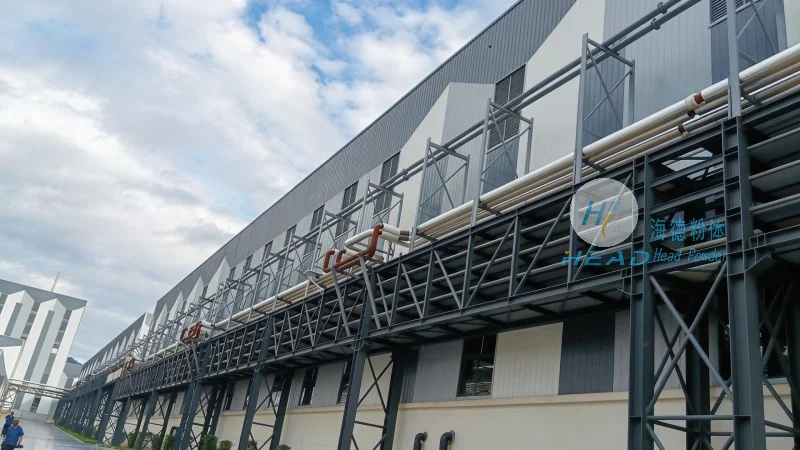
Pneumatic conveying systems for carbonaceous materials are designed to handle various types of carbon-based products, including graphite, carbon black, activated carbon, and other powders or granules. The technology offers advantages over traditional mechanical conveying methods, such as reduced equipment wear, lower maintenance requirements, and the ability to transport materials in a closed system, minimizing dust emissions and environmental impact. These systems are crucial for industries that require precise and controlled material movement, ensuring consistent quality and process reliability.
Design Principles of Pneumatic Conveying Systems for Carbonaceous Materials
The design of a pneumatic conveying system for carbonaceous materials is based on several key principles to ensure optimal performance and efficiency. First, the selection of the appropriate gas velocity is critical. The velocity must be high enough to keep the particles suspended in the gas stream but not so high as to cause excessive pressure drop or equipment wear. Typically, the gas velocity is determined based on the particle size, density, and flow rate, with common velocities ranging from 20 to 40 meters per second for most carbonaceous powders.
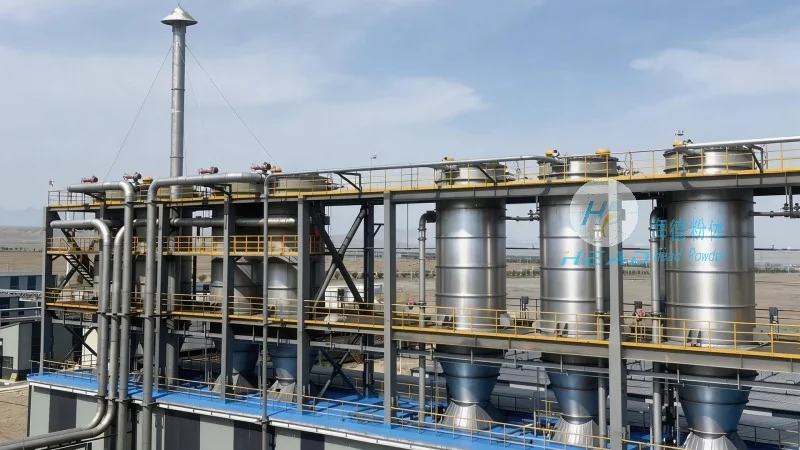
Second, the system design considers the pressure and flow characteristics. Pneumatic conveying systems can be categorized into two main types: pressure and vacuum. Pressure systems use compressed air to push the material through the pipeline, while vacuum systems use a vacuum to draw the material into the system. For carbonaceous materials, pressure systems are often preferred as they provide better control over the material flow and can handle higher material loads. The pressure drop along the pipeline is a key factor, as it affects the system's energy consumption and overall efficiency. Engineers must calculate the pressure drop based on the pipe diameter, length, and the properties of the carbonaceous particles to ensure the system operates within its design limits.
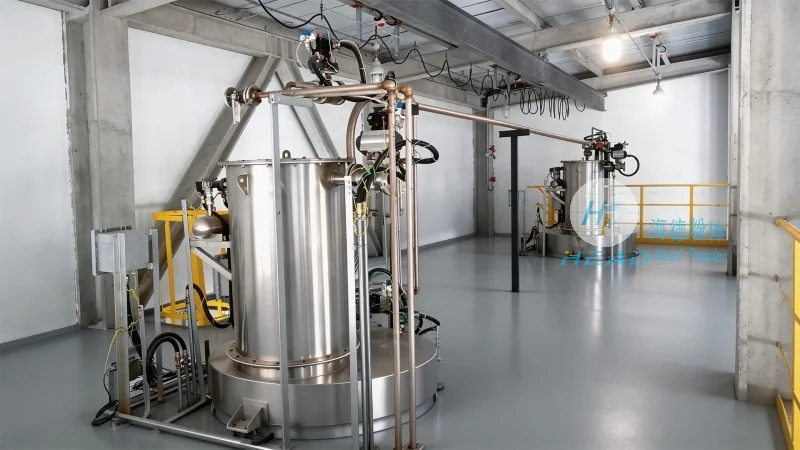
Third, the design incorporates appropriate equipment components, including the feeder, pipeline, and receiver. The feeder is responsible for introducing the carbonaceous material into the gas stream, and its design must match the material's flow characteristics to avoid blockages or uneven feeding. The pipeline design considers factors like material abrasiveness, which can affect the pipe's lifespan, and the need for smooth, corrosion-resistant surfaces to prevent material buildup. The receiver, where the material is discharged, is designed to handle the material's properties, such as its tendency to settle or agglomerate, and may include features like vibration or agitation to maintain flowability.
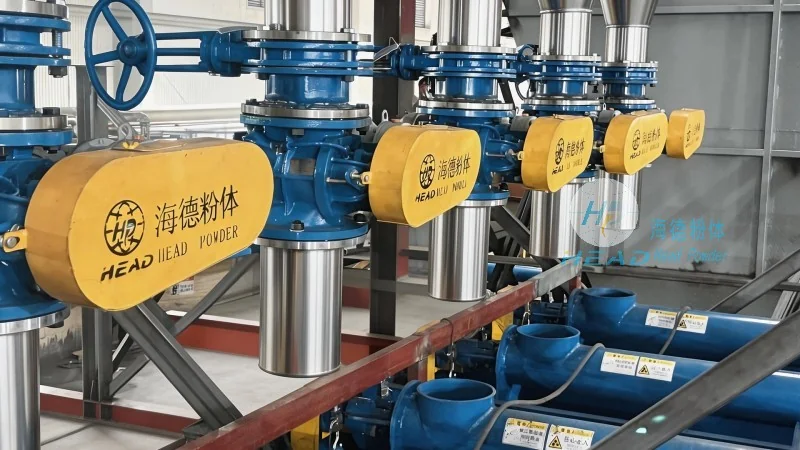
Company Introduction: Shandong HeadPowder Engineering Co., Ltd.
Shandong HeadPowder Engineering Co., Ltd., commonly known as HeadPowder, is a specialized engineering company based in Shandong, China. The company focuses on providing comprehensive solutions for material handling and processing, particularly in the carbonaceous material industry. With years of experience, HeadPowder has developed expertise in designing and manufacturing pneumatic conveying systems tailored to the unique needs of carbon-based materials. The company's team of engineers and technicians works closely with clients to understand their specific requirements, ensuring the delivery of customized solutions that meet industry standards and enhance operational efficiency.
HeadPowder's commitment to quality and innovation is reflected in its approach to system design and manufacturing. The company utilizes advanced technologies and materials to ensure the durability and reliability of its pneumatic conveying systems. By adhering to strict quality control processes, HeadPowder ensures that each system is built to withstand the demands of carbonaceous material handling, providing long-term performance and minimal maintenance. The company also offers technical support and after-sales services to assist clients in optimizing their material handling processes and maximizing the return on investment from their equipment.